
The body, myth, and the origin of the world: with Willem Dafoe as Director of Biennale Teatro, the Venice Biennale Theatre, Dance, and Music Festivals begin on May 31
Willem Dafoe, Wayne McGregor and Caterina Barbieri curate the programs for the three Venice Biennale Performing Arts Festivals, which this year return to connect the body with the stage, thought with action, and myth with the construction of time.
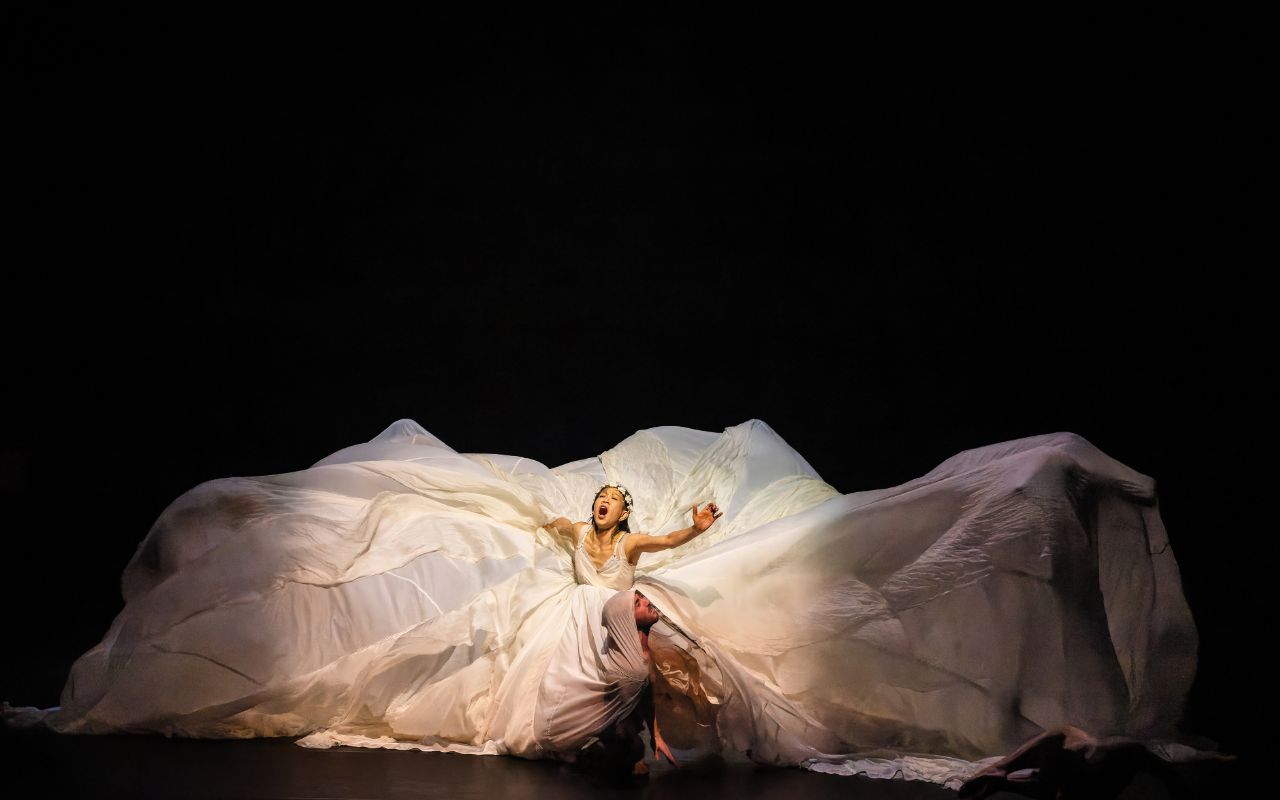
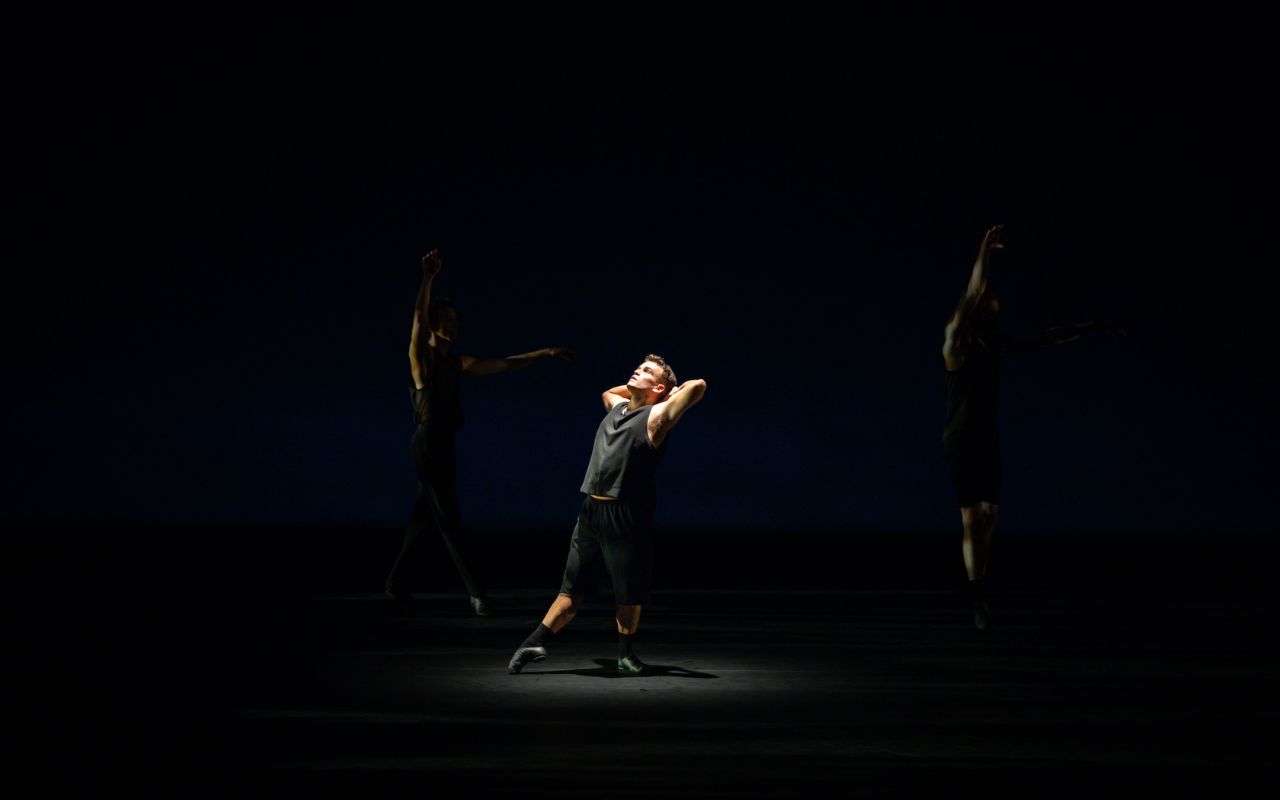
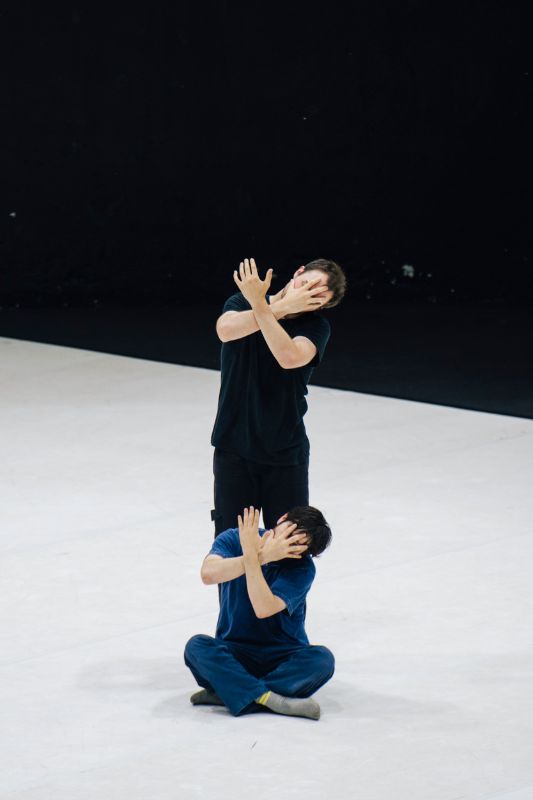
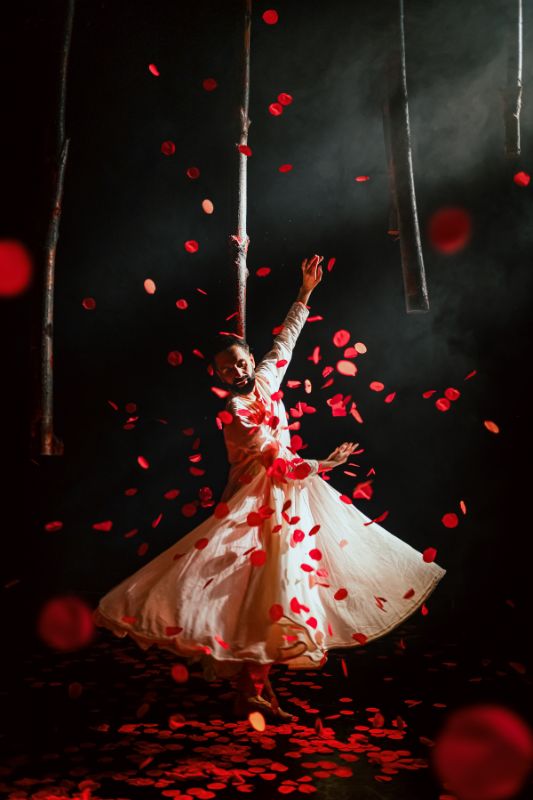
The 2025 program is structured around three thematic axes—the body, myth, and cosmogony—unfolding through original productions, debuts, installations, and new performances. It is a clear invitation to engage with the complexity of the present through critical thinking, and to recognize the stage as an intellectual practice that interrogates what generates form, action, and presence.
Between festivals, an extraordinary project places the Biennale at the center of the climate debate: the site-specific project The Herds, which will premiere as a festival preview on Tuesday, June 17, featuring the dancers and choreographers of Biennale College in an act of public art and climate action.
Each program is constructed as an open system, layered with conceptual depth and formal insights, clearly reflecting the artistic directors’ desire to expand critical categories and redefine scenic paradigms.
Pietrangelo Buttafuoco, President of La Biennale, describes them as “great artists from different generations, backgrounds, and experiences. Refined thinkers, capable of conveying and placing their vision at the service of a cultural institution, reading the artistic scene of which they are a part with intuition and originality, using the same eyes, heart, and brain they employ to craft choreographies, musical scores, and dramaturgies.”
The identity of the Biennale remains rooted in its vocation for the contemporary and a constant international openness—foundational elements that the three directors have transformed into project trajectories capable of creating a leap in intensity, broadening horizons, and relaunching performative language toward what Buttafuoco describes as “a projection toward the future.”
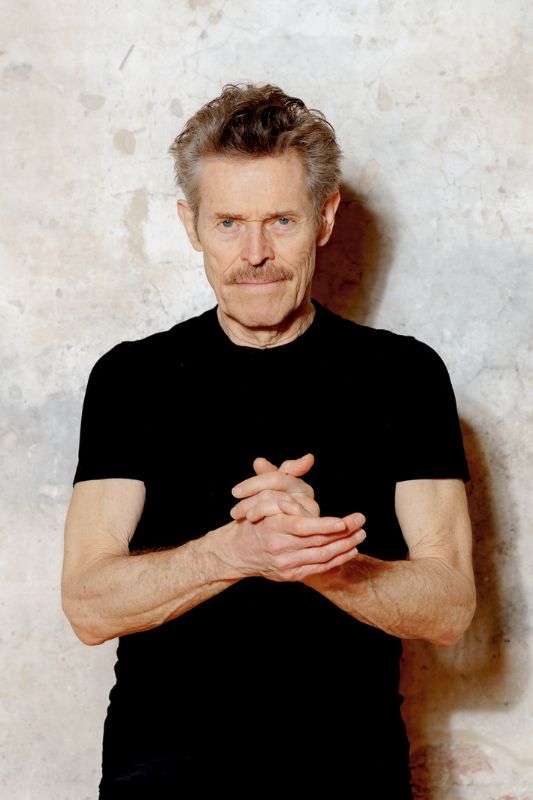
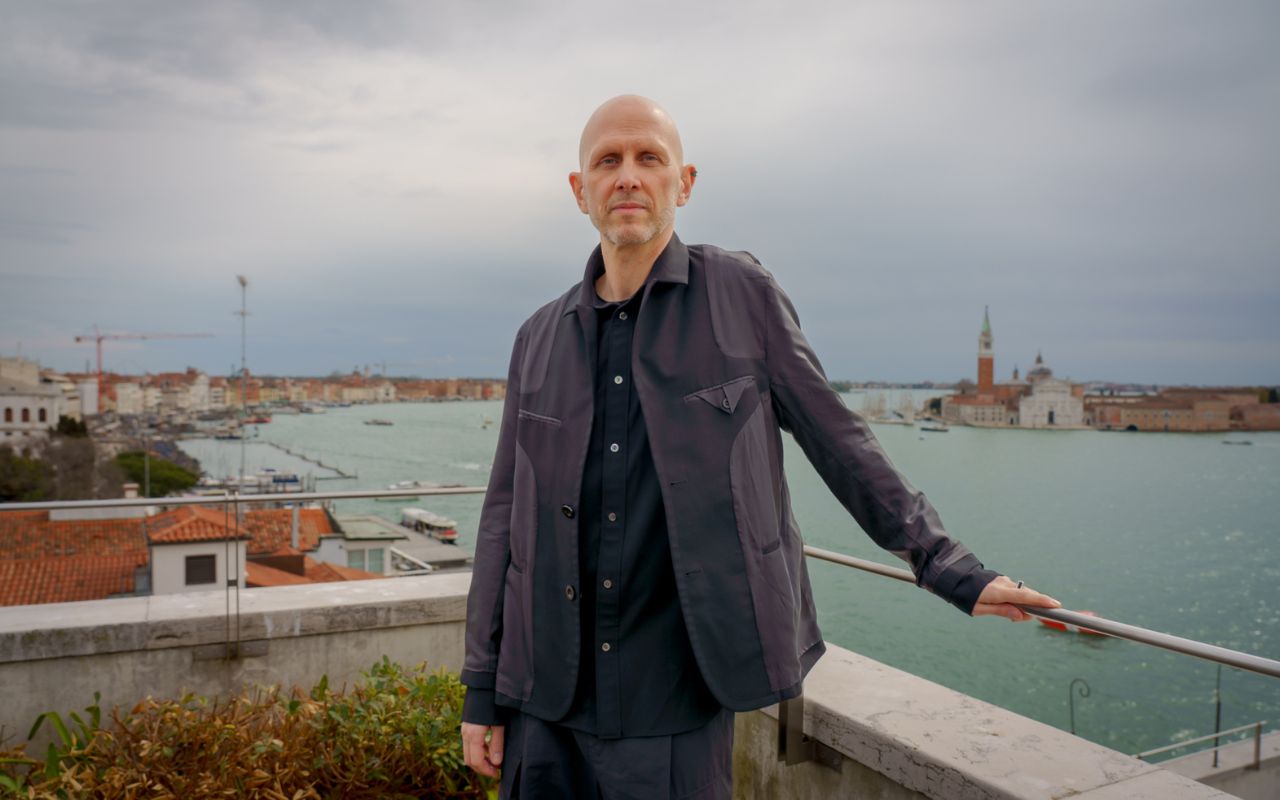
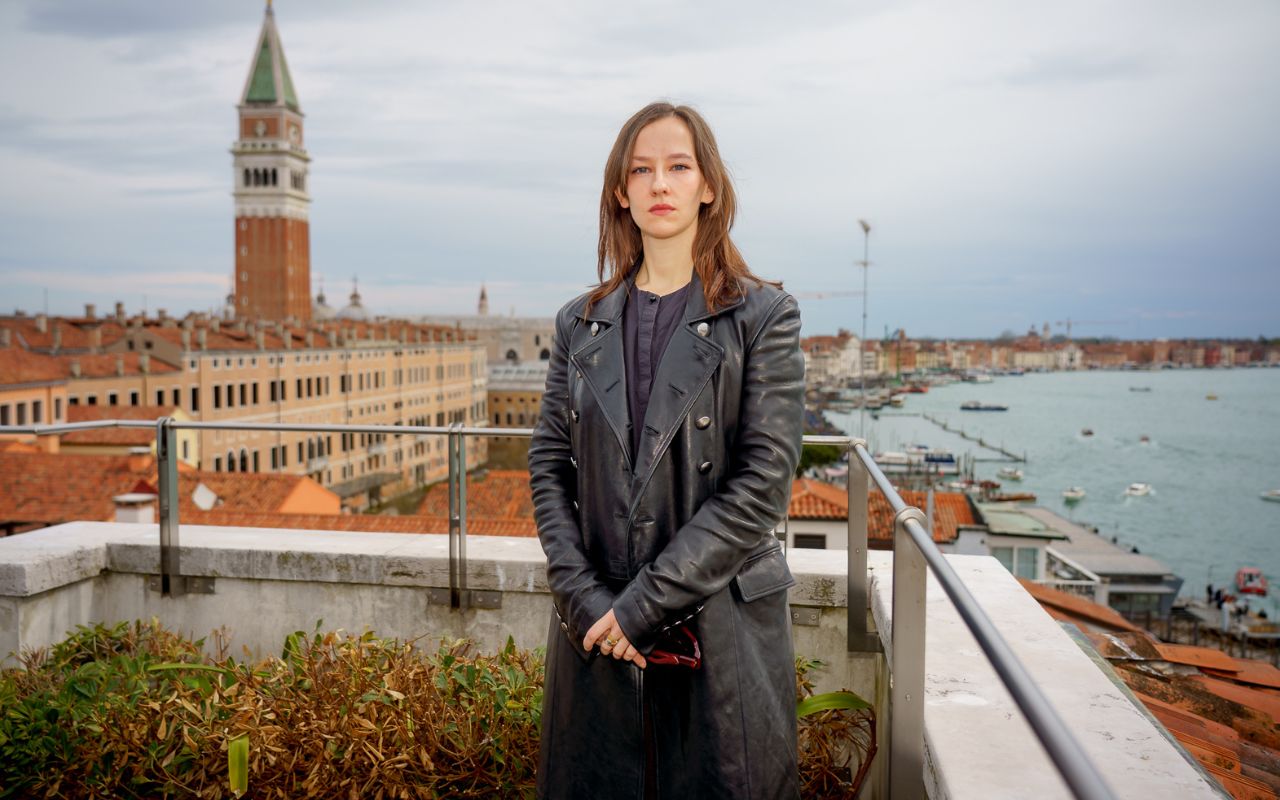
Willem Dafoe is the new Artistic Director of the Biennale Teatro Theatre is Body – Body is Poetry, in Venice from May 31 to June 15.
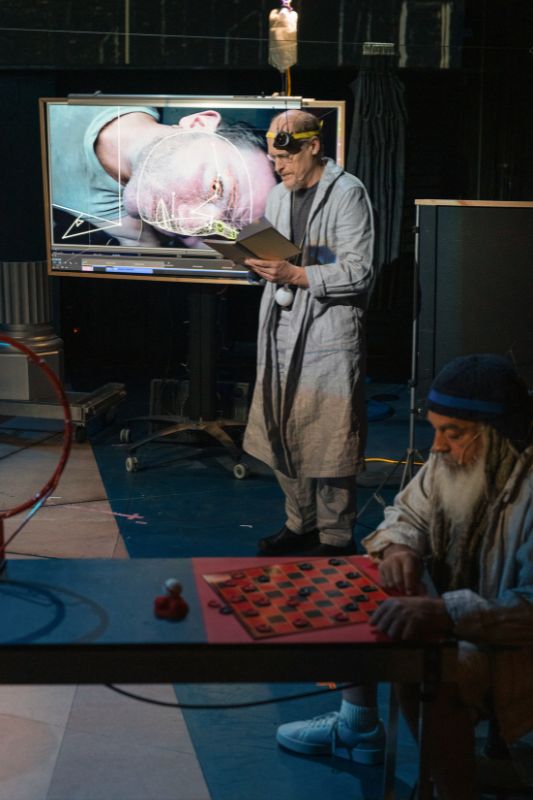
The body as center, root, and tension: it is from this vision that Theatre is Body – Body is Poetry takes shape, the first edition curated by Willem Dafoe as Artistic Director of the International Festival of Theatre of La Biennale di Venezia.
The project stems from the figure of the actor, their ability to inhabit the stage, build relationships, and generate listening. Dafoe encapsulates this reflection in the title, quoting Nobel laureate T.S. Eliot: “Poetry is not a turning loose of emotion, but an escape from emotion,” with the idea that theatre does not serve to recount emotions, but to take the spectator to a deeper place, where something is ignited without the need for explanation or recognition.
After fifty years of work on stage, Dafoe has built the program based on encounters that have left a mark. He has chosen to involve people with whom he has shared a part of his career, figures he recognizes as fundamental to his perspective on theatre.
Each section reflects a position along four themes: a tribute to the 1975 Biennale Teatro, with Venice 75/25. Fifty Years of New Theatre, which reactivates some of the artistic and political tensions of that season; a section dedicated to The Masters of Today, engaged in research that continues to transform scenic language; A Glimpse into the Future focusing on new generations and emerging poetics; and the Biennale College Teatro, the backbone of the Festival, a multi-year project by La Biennale di Venezia supporting new talent, designed as a space for work, exchange, and training.
Read more
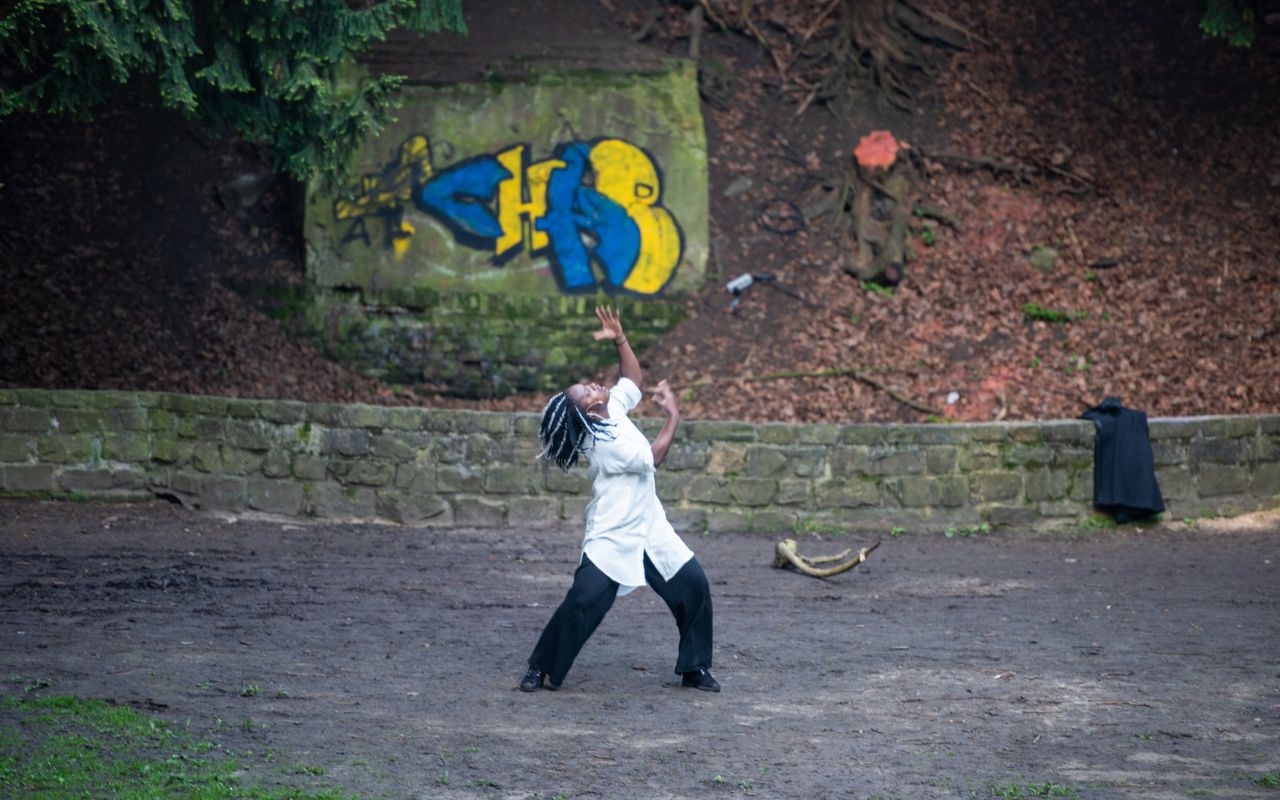
Myth Makers. Contemporary dance in the construction of myth
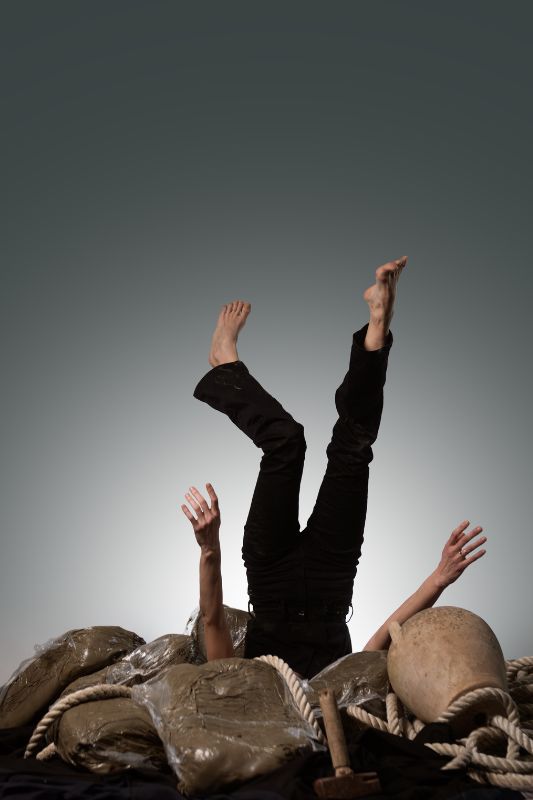
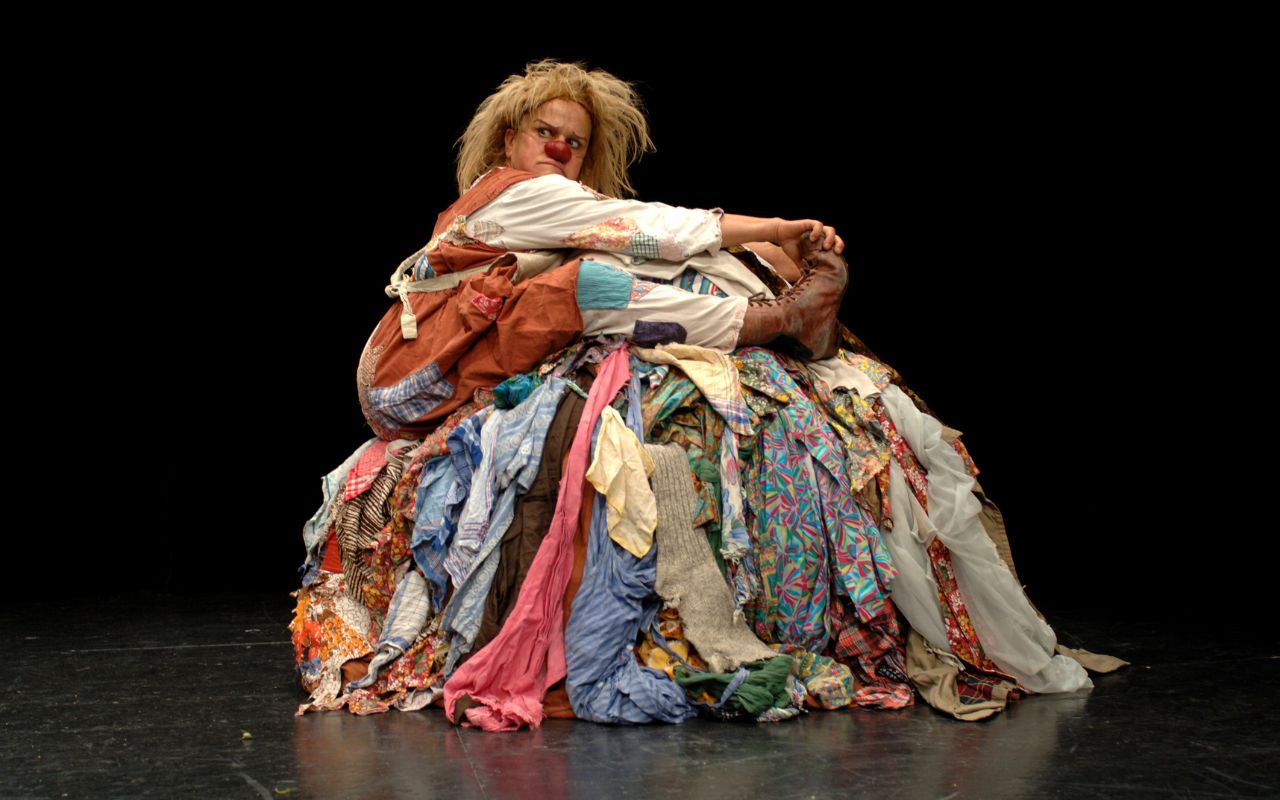
Wayne McGregor directs for the fourth time the International Festival of Contemporary Dance of La Biennale di Venezia with Myth Makers, which from July 17 to August 2 presents a series of choreographies, installations, workshops, and site-specific projects.
The theme places the figure of the artist at the center as an inventor of symbols, capable of giving shape to new visions of the human being and the world.
The program features 75 events over 17 days: 8 world premieres, 7 European premieres, and 5 Italian premieres. Over 160 artists from various countries compose a program that spans dance, art, technology, and research, with a constant presence of works designed for the spaces at the Arsenale (Teatro alle Tese, Tese dei Soppalchi, Sale d’Armi, Teatro Piccolo Arsenale) and in unconventional locations, extending also to Mestre and Marghera.
American choreographer Twyla Tharp receives the Golden Lion for Lifetime Achievement and opens the Festival with Slacktide (world premiere) and Diabelli. Carolina Bianchi is awarded the Silver Lion: in Venice, she presents The Brotherhood, the second chapter of the Cadela Força trilogy.
Biennale College Danza presents the works awarded through international calls: A Good Man is Hard to Find by Bullyache and Sisifo felice by the Nuovo Balletto di Toscana.
In recent years, particularly under the direction of Wayne McGregor, Biennale Danza has developed and consolidated a network that invests in the creativity of the future through calls, residencies, co-commissions, and co-productions. 361 proposals for new choreographies were received for the two national and international calls, and 393 applications arrived from over 40 countries to participate in the 2025 Biennale College Dancers and Choreographers residency. 16 dancers and 2 choreographers are currently attending the intensive theoretical-practical program of Biennale College and creating new works:
The site-specific project The Herds, which will be premiered as a festival preview on Tuesday, June 17, will feature the College’s dancers and choreographers in a large-scale act of public art and climate action. From April to August 2025, herds of life-sized animals will invade urban centers worldwide—from Kinshasa to Norway—along a 20,000 km route, symbolizing their flight from the climate disaster that has destroyed their habitat. Biennale College Danza will meet The Herds in Venice, and for the occasion, hip-hop star Anthony Matsena will create an original choreographic intervention.
A new staging of In C by Sasha Waltz will be presented with the participation of the College’s youth; Waltz is an author capable of illuminating the structure of music through her dance, presenting it in a new light.
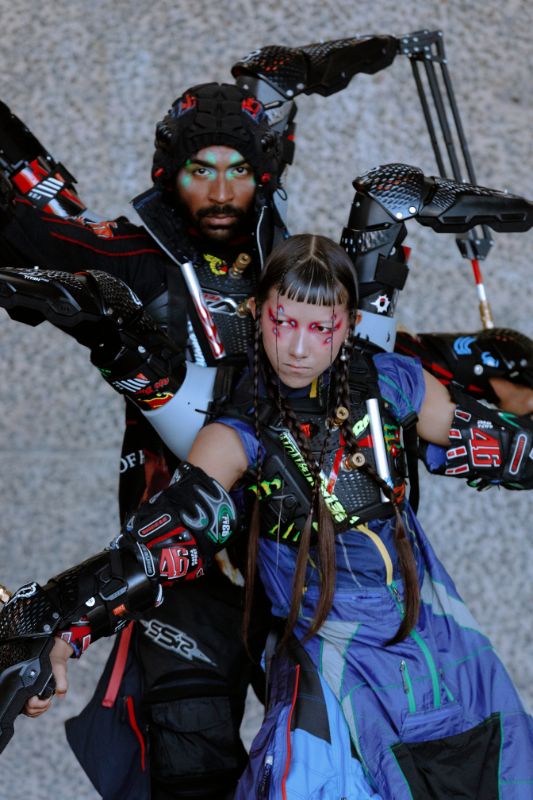
Also on the calendar are La Mort i la Primavera by Marcos Morau, Ventre do Vulcão by Tânia Carvalho, Simulacro by Kor’sia, Friends of Forsythe by William Forsythe and JA Collective, Songs of the Bulbul by the Aakash Odedra Company, an aerial performance by Yoann Bourgeois in the industrial area of Marghera, a new creation by Virginie Brunelle inspired by Monte Verità, and U>N>I>T>E>D by Chunky Move, set in a digital future populated by robotic bodies.
On the Other Earth is the immersive installation accompanying the Festival throughout its duration. Co-produced with Studio Wayne McGregor, Hong Kong Ballet, and Future Cinema Systems, it integrates dance, imagery, artificial intelligence, and spatialized sound in a 360-degree circular environment.
The program includes workshops for professionals and the public, conversations with artists, educational activities for schools and universities, an exhibition, and a book featuring photographs by Indigo Lewis.
The star within the sound
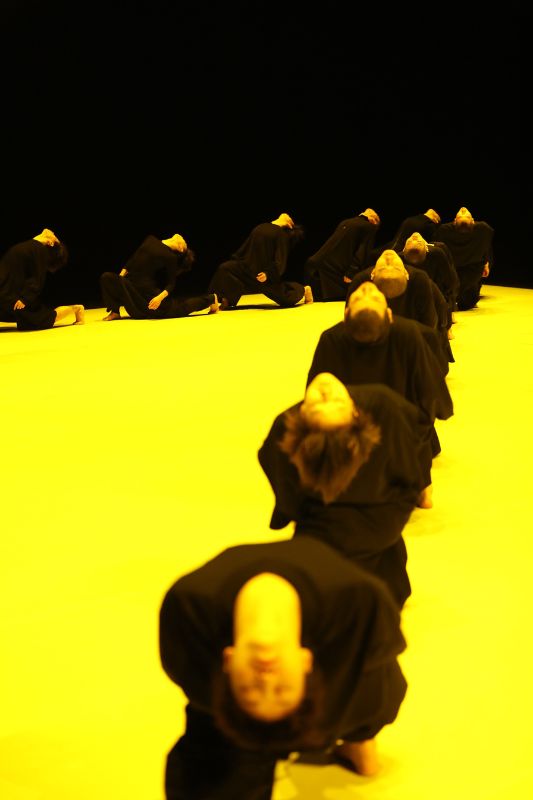
Caterina Barbieri curates her first edition for the 69th International Festival of Contemporary Music—from October 11 to 25—titled The Star Within. A title inspired by the words of Brazilian writer Clarice Lispector:
If the brightness of the stars hurts me, if this distant communication is possible, it is because something that perhaps resembles a star quivers within me.
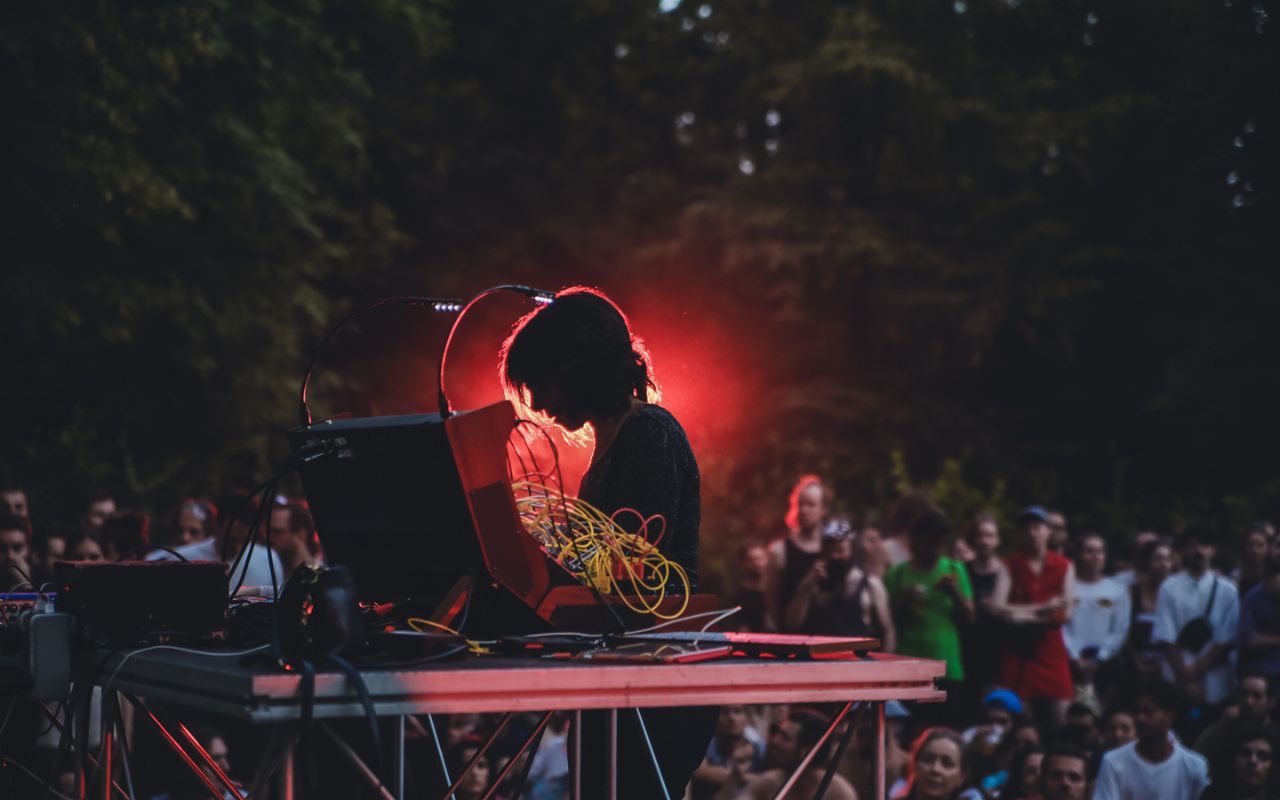
The star within is the vibration that traverses the cosmos and living forms, from the molecule to the motion of planets, generating a sense of wonder capable of suspending the boundaries of individual identity and opening one’s listening to what surrounds us. For Barbieri, an Italian composer and musician, music becomes a generative force, a practice of relationship, and an opportunity to imagine unexplored worlds. It is from this idea that Barbieri’s curatorial direction takes shape, proposing sound as a tool of perception and as a creative act, capable of bringing into dialogue aesthetics, genealogies, and perspectives that may be very distant from one another.
Caterina Barbieri is one of the most interesting figures on the contemporary electronic scene. She studied electroacoustics and classical composition between Bologna and Stuttgart, and works with sound as a perceptual system, investigating structure, iteration, and sensory depth. Her works span minimalism, ambient, and analog music, building a clear, expansive, and radical sonic aesthetic.
The program: between technology, memory, geography, and identity
The opening is entrusted to Chuquimamani-Condori, a Bolivian artist and musician, who leads a musical procession on the water to celebrate sound as a collective ritual: the musical procession along the canals concludes in front of the Gaggiandre basin with a concert by Los Thuthanaka, a duo formed by the artist and her brother Joshua Chuquimia Crampton.
William Basinski presents the world premiere of a work for grand pianos, percussion, and the sounds of Venetian vaporetto engines. The work, commissioned by the Festival, stems from his tape loops and develops in direct relation to the acoustic and symbolic dimension of water. The Teatro alle Tese is transformed into a sound chamber for the installation by Yosuke Fujita, a Japanese sound artist, who constructs an eleven-pipe organ powered by water containers.
In a European premiere, the Dither Quartet reinterprets The Expanding Universe by Laurie Spiegel, a work composed between 1974 and 1977 and a landmark of electronic experimentation. Composer Suzanne Ciani, a central figure in analog electronics, shares the stage with Actress, a British producer and innovator of contemporary dance music, in a dialogue between synthesizers and rhythmic pulse. The Kamigaku Ensemble, founded by Catherine Christer Hennix, offers a performance in tribute to the recently deceased Swedish composer.
Moritz Von Oswald, a pioneer of the German techno scene, presents Silencio, a project for a sixteen-voice choir. Ellen Arkbro, a Swedish composer and organist, presents a new score for three viole da gamba, commissioned by the Biennale. Agnese Menguzzato constructs Undici, a piece for eight-string guitar and electronics, the result of research that combines ancient instruments and sound synthesis.
Maxime Denuc brings the Italian premiere of Elevations, an installation for a MIDI-controlled organ that blends liturgy and dub techno.
Norwegian saxophonist Bendik Giske opens the Festival with Into the Blue. Percussionist Enrico Malatesta presents two world premieres: Solo VI by Jakob Ullmann and Occam XXVI by Éliane Radigue. Finnish artist Perälä, along with Melissa Briand-Speirs, presents a quadraphonic project based on the Colundi microtonal scale.
Christian Fennesz will present an expanded version of his Venice at the Biennale Musica,
Venice is a masterpiece of sonic and emotional abstraction published in 2004 that combines acoustic and electric guitar, synthesizers, samplers, and ambient recordings collected in Venice.
The drone metal duo Sunn O))), composed of Stephen O’Malley and Greg Anderson, presents an immersive sonic ritual created for the event.
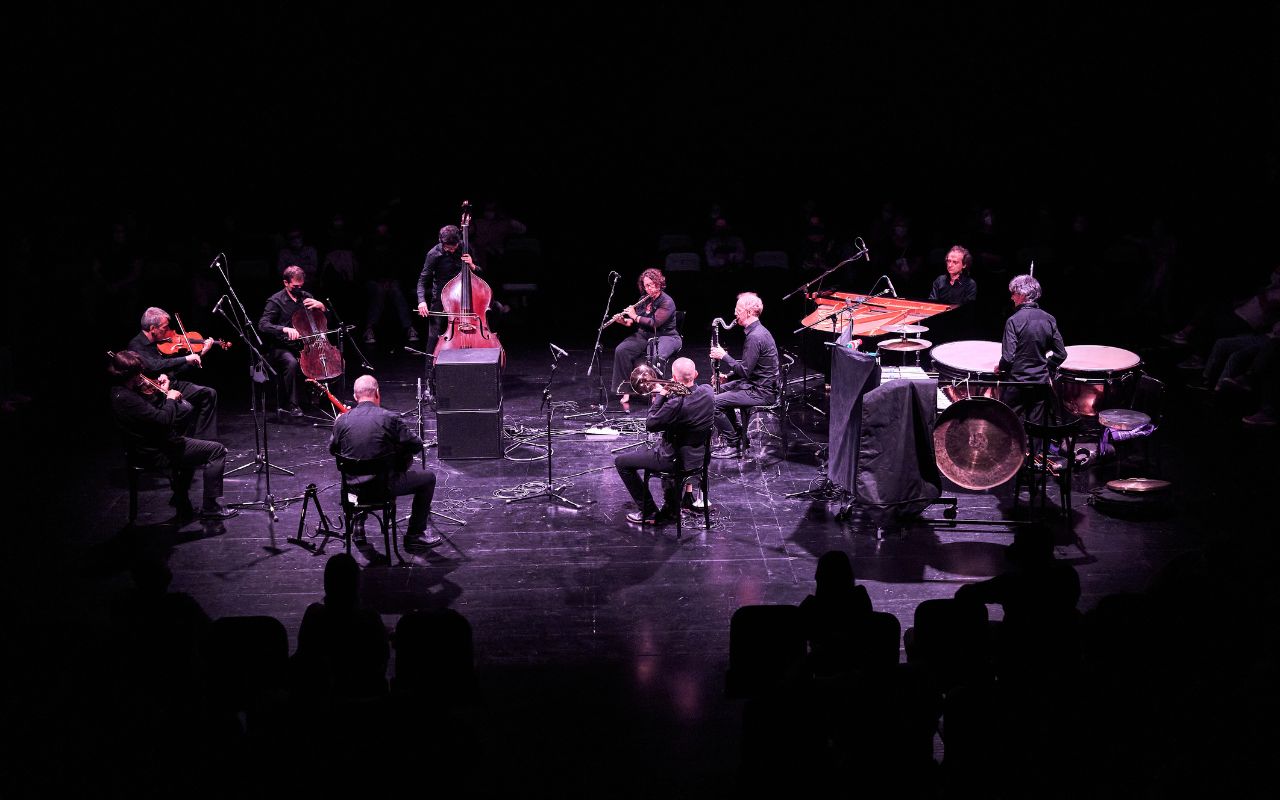
The ensemble Graindelavoix, directed by Björn Schmelzer, constructs a program that brings Messe de Notre Dame by Guillaume de Machaut into dialogue with scores by Ligeti, Xenakis, and Kurtág. The FontanaMIX Ensemble presents a repertoire that includes a new version of Le sensibilità delle tenebre by Vahid Hosseini and works by Giacinto Scelsi, marking his 125th anniversary.
DeForrest Brown Jr. brings his Speaker Music project to Venice, a sonic journey through African American modernity. Nkisi combines African percussion and industrial sounds in a set built specifically for this edition.
Carl Craig and a DJ set for Detroit’s Afrofuturist musical innovation
Detroit techno pioneer Carl Craig brings his innovative sound to Biennale Musica with a DJ set celebrating Detroit’s Afrofuturist heritage and musical innovation.
Guatemalan cellist Mabe Fratti performs with I. la Católica and Gibrán Andrade. Guitarist Rafael Toral presents Traveling Light, which works on harmony and the relationship between improvisation and structure. The Festival closes with Ecco2k, featuring an extended set that blends performance, vocals, and visual ambiance.
For the 2025 edition, Biennale College Musica received 235 applications from 35 countries. Up to five projects will be selected from live performances and acousmatic compositions, which will debut during the event. The program is divided into three sessions—between May and October—featuring residency, research, creation, and production in Venice.
Mentors involved include Ellen Arkbro, DeForrest Brown Jr., Chuquimamani-Condori, Thierry Coduys, Lorenzo Senni, and Marcel Weber (MFO), and each project engages with the trajectories opened by the theme The Star Within, in a work that combines composition, technology, and critical thinking.
53rd International Festival of Theatre
Artistic Director: Willem Dafoe
Dates: May 31 to June 15, 2025
Buy tickets for Biennale Teatro 2025
19th International Festival of Contemporary Dance
Artistic Director: Wayne McGregor
Dates: July 17 to August 2, 2025
Buy tickets for Biennale Danza 2025
69th International Festival of Contemporary Music
Artistic Director: Caterina Barbieri
Dates: October 11 to 25, 2025
The programs for the Dance, Music, and Theatre Festivals, along with accreditation details, are available on the Biennale website.
Tickets and passes are already available for purchase for all Biennale Teatro and Biennale Danza performances.
During the Theatre Festival (May 31 to June 15), tickets can also be purchased starting one hour before the shows at dedicated points.
General contacts: tel. +39 041 5218711 or info@labiennale.org
Article by Lucia Pecoraro.
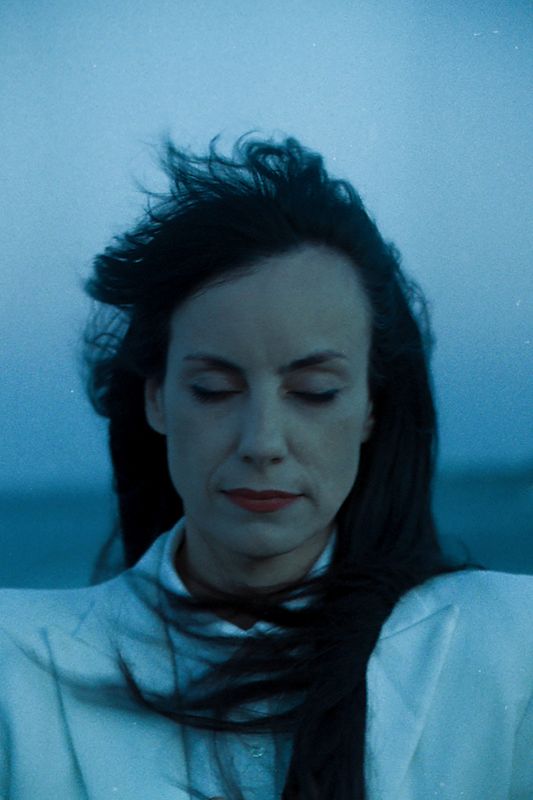
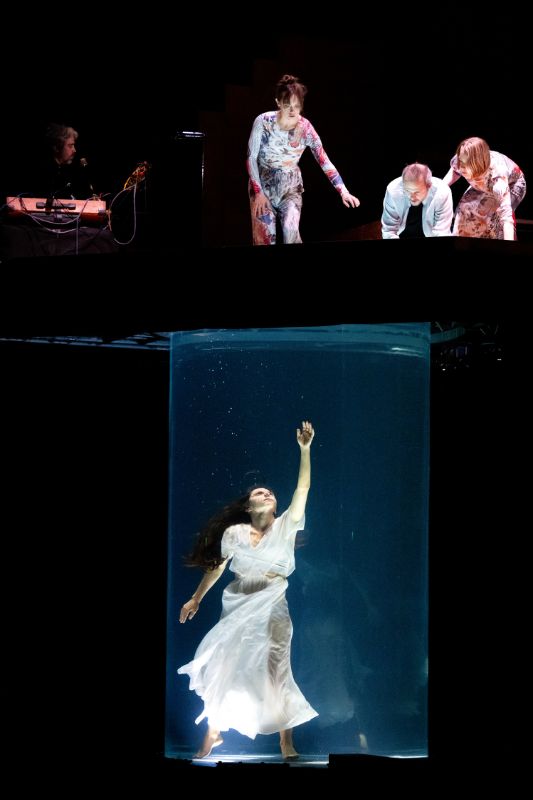
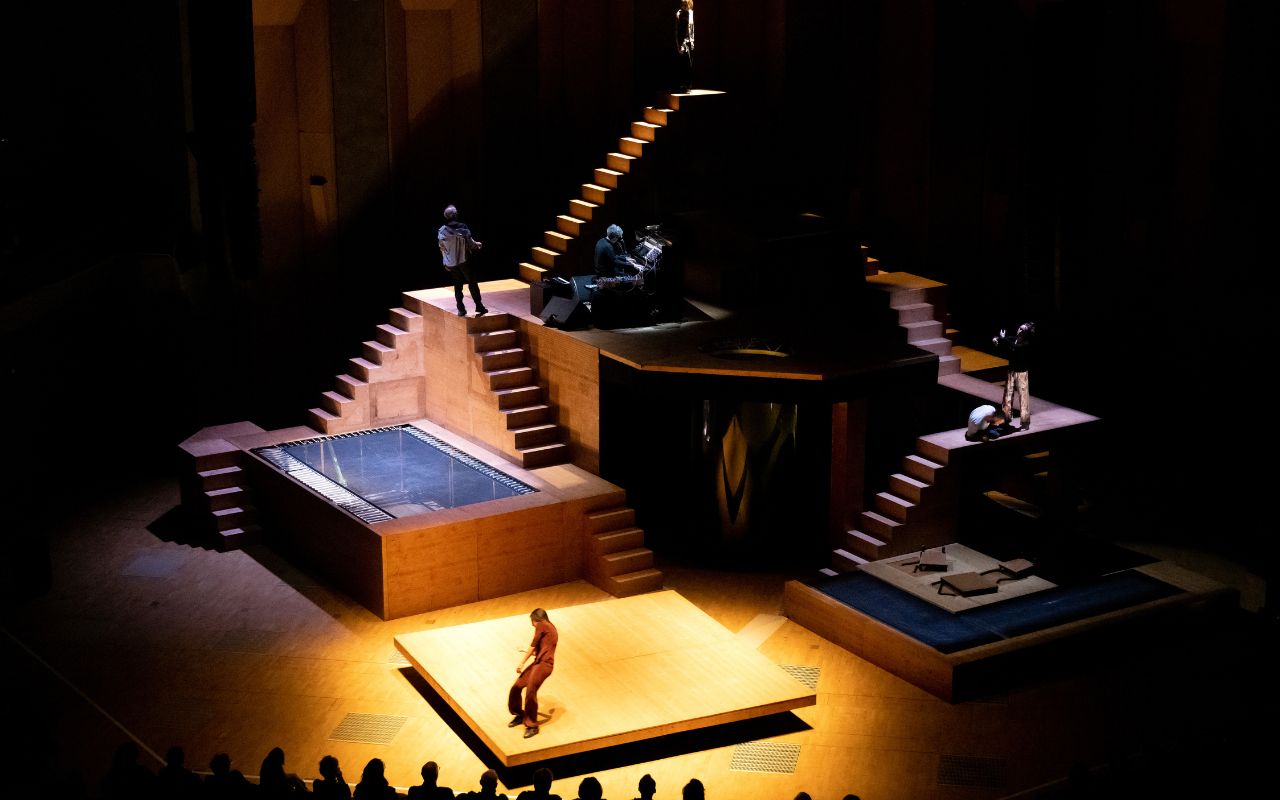
Photos – cover Dafoe, Barbieri, McGregor by Andrea Avezzù – Courtesy of La Biennale di Venezia.

