
For the 60th edition of the International Art Exhibition of the Venice Biennale, Brazilian Adriano Pedrosa has chosen the title “Foreigners Everywhere,” a statement of intent that will open unexplored perspectives for us
Prepare to experience the opening of the Venice Biennale from April 17 to 19, when Venice will be the center of the art world. With the title Foreigners Everywhere, director Adriano Pedrosa will open our eyes to worlds that will change us forever. The 60th edition of the International Art Exhibition features 90 national pavilions, 30 collateral events distributed throughout the city, and special sections such as at Forte Marghera. Here is the program, themes, and participations of the inclusive Biennale of the first openly queer and Latin American curator of the Biennale.
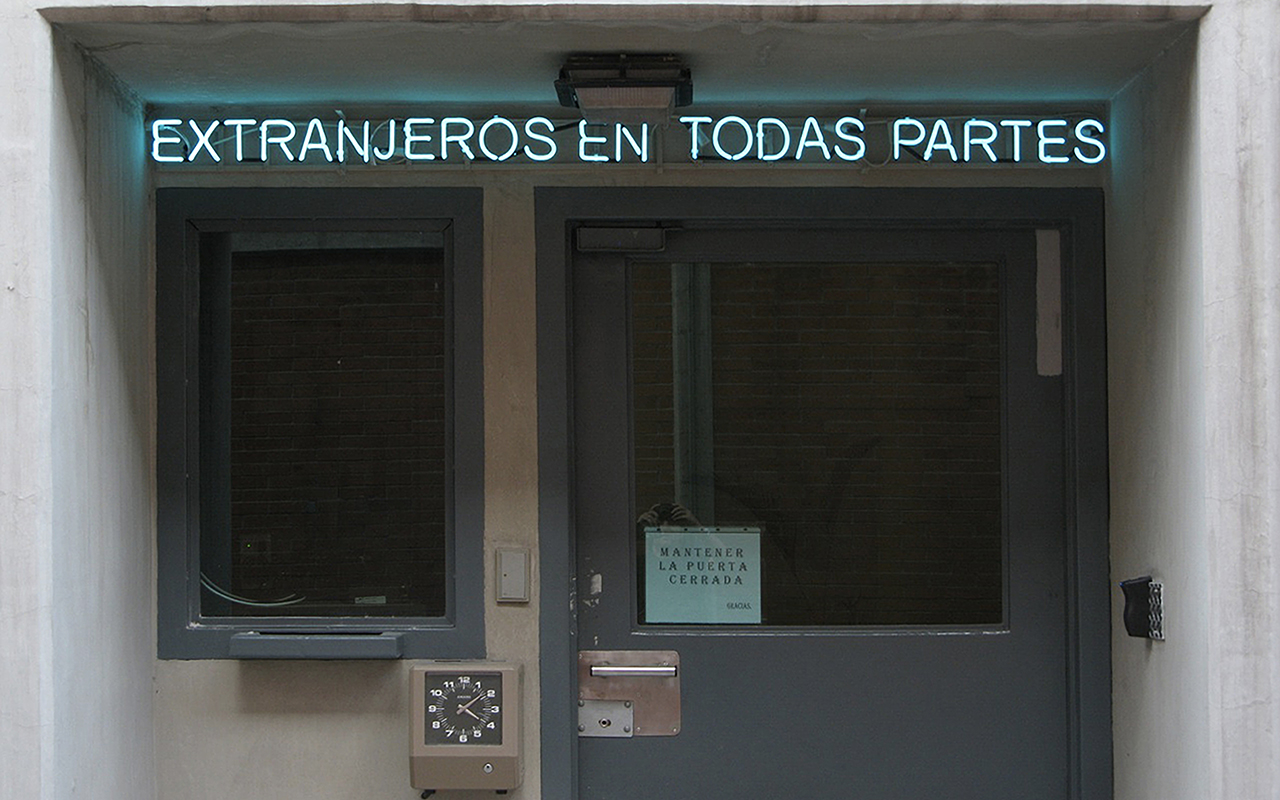
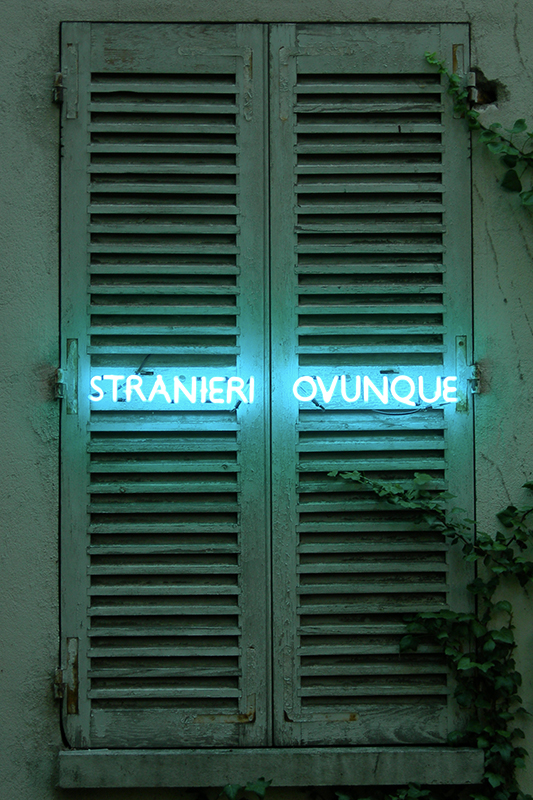
The Biennale is always the sensitive and anticipatory reference point for global socio-cultural themes. Pedrosa’s Biennale Arte confirms its innovative vocation from the very title, Stranieri Ovunque – Foreigners Everywhere, which indicates the universal condition of being foreigners to “others” (there are foreigners, immigrants, everywhere) and to “ourselves” (wherever we go we will always be foreigners).
The participation of artists from diverse geographies and backgrounds—South America, Africa, the Middle East, Southeast Asia—will give visitors the opportunity to explore the multiple dimensions of human experience, offering a careful and relevant look at the complexity of our planet and the present day.
The title is taken from a series of works by the collective Claire Fontaine, founded in Paris and based in Palermo. These works are neon sculptures in various colors bearing the words “Foreigners Everywhere” in different languages. The expression was in turn taken from the name of a Turin-based collective that in the early 2000s fought against racism and xenophobia in Italy.
Thus the title and theme invite us to reflect on the presence of foreigners and on being foreign, beyond geographical and cultural boundaries, exploring the complexity of human identity in an increasingly interconnected world: wherever one finds oneself, there is always a sense of foreignness, a confrontation with one’s own individuality and one’s place in the world.
This search for deep and authentic identity is also reflected in contemporary political and cultural debate. An open perspective toward new horizons through which to explore contemporary art, demonstrating that institutions of international significance such as the Venice Biennale are at the forefront of addressing global challenges and offering spaces for dialogue and reflection on a global scale.
Dates to Mark in Your Calendar
Biennale Arte 2024 will open to the public on Saturday April 20 (preview April 17, 18, 19) with the awards ceremony and inauguration and will remain open until Sunday November 24, 2024.
From April 17 to 19, we at Venezia da Vivere will tell the story of how Venice welcomes the world, of art and performances, of debate and living. We will share live the magical days of the openings from April 17 to 19, outside and inside the art spaces, with our eyes on the city.
The reportage on Instagram @veneziadavivere, the articles, the newsletter, and Il caffè con Venezia da Vivere will be the digital narrative of the art days in Venice, discovering contemporary Venice at the Giardini, the Arsenale, and in many places throughout the city.
The newsletter is the most effective channel to stay updated on all events and initiatives in Venice: subscribe!
Biennale Arte 2024
90 national participations accompanied by 30 collateral events spread throughout the city and two special sections: at Forte Marghera, inside the Austrian Powder Magazine, dedicated to the work of Italian artist Nedda Guidi (Gubbio, 1927 – Rome, 2015) and at the Applied Arts Pavilion (Arsenale, Sale d’Armi) a collaboration between La Biennale and the Victoria and Albert Museum (V&A) in London, on Brazilian artist Beatriz Milhazes (1960), known for her work that overlays Brazilian cultural imagery with references to Western modernist painting, who will present large-scale paintings and collages.
4 countries are present at the Biennale for the first time: Republic of Benin, Ethiopia, Democratic Republic of Timor-Leste, and United Republic of Tanzania. Nicaragua, Republic of Panama, and Senegal are participating for the first time with their own pavilion.
As a guiding principle, this year’s Biennale has privileged artists who have never participated in an International Exhibition, although some of them have already exhibited in a National Pavilion or a Collateral Event. Special attention has been given to outdoor projects, with a performance program during the preview days and in the last weekend open to the public in November, and a series of educational encounters for students, adults, families, and professionals, with guided tours and workshop activities.
The Italy Pavilion at the Tese delle Vergini in the Arsenale, supported and promoted by the Directorate General for Contemporary Creativity of the Ministry of Culture, is curated by Luca Cerizza, with the project Due qui – To hear by artist Massimo Bartolini, which includes contributions specially conceived by musicians and writers.
The Holy See Pavilion returns, promoted by the Prefect of the Dicastery for Culture and Education of the Holy See, Cardinal José Tolentino de Mendonça, and will take place at the Women’s Detention House in Venice on Giudecca with the title With My Eyes, curated by Chiara Parisi and Bruno Racine.
The second edition of Biennale College Arte 2023/24 has announced the four finalist projects, conceived by Agnes Questionmark, Joyce Joumaa, Sandra Poulson and Nazira Karimi, who will have the opportunity to realize their final work thanks to a contribution of €25,000 each, and will be presented, out of competition, as part of the exhibition.
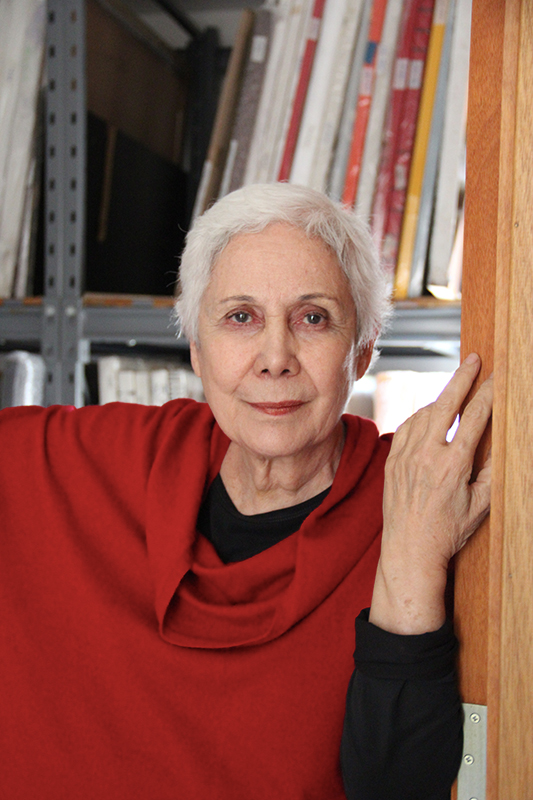
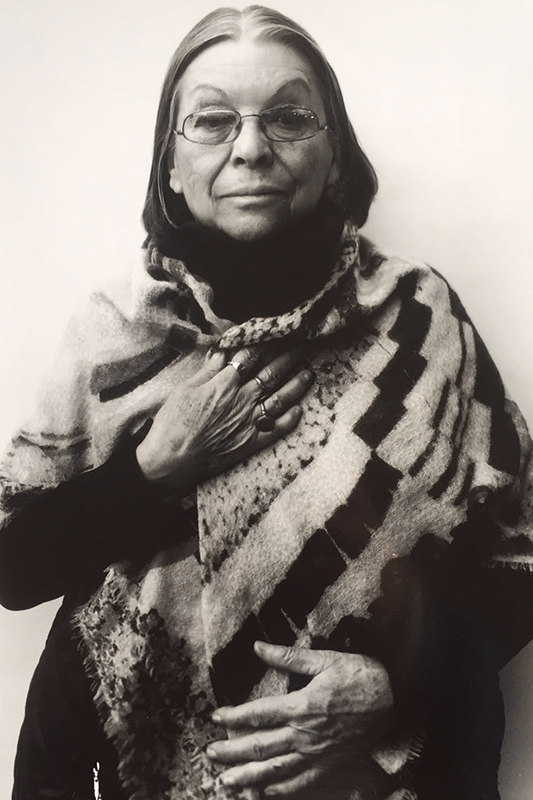
Furthermore, Biennale Arte 2024 has already announced the Golden Lions for Lifetime Achievement: Brazilian artist Anna Maria Maiolino and Turkish artist Nil Yalter.
Both artists will make their debut in this very Biennale: Maiolino will present a new large-scale work that continues and develops her series of clay sculptures and installations, while Yalter will propose a reconfiguration of her innovative installation Exile is a hard job, together with her iconic work Topak Ev, which will be placed in the first room of the Central Pavilion.
The Two Nuclei
The Exhibition will be articulated primarily between the Central Pavilion at the Giardini and the Arsenale in two macro-sections: the Contemporary Nucleus, dedicated to the facets and diverse interpretations of the word “foreigner,” and the Historical Nucleus, which will present 20th-century works from Latin America, Africa, Asia, and the Arab world.
The Contemporary Nucleus will focus on the production of queer, outsider, and Indigenous artists. Queer artists will have an emblematic presence and their works will welcome the public in the Central Pavilion, with a monumental mural created by Brazilian collective Mahku on the building’s facade, and in the Corderie, where the collective Maataho from Aotearoa/New Zealand will present a large installation in the first room. Indigenous artists will be present in every space and will constitute the core of an extensive section in the Corderie, as well as an area dedicated to queer abstraction in the Central Pavilion.
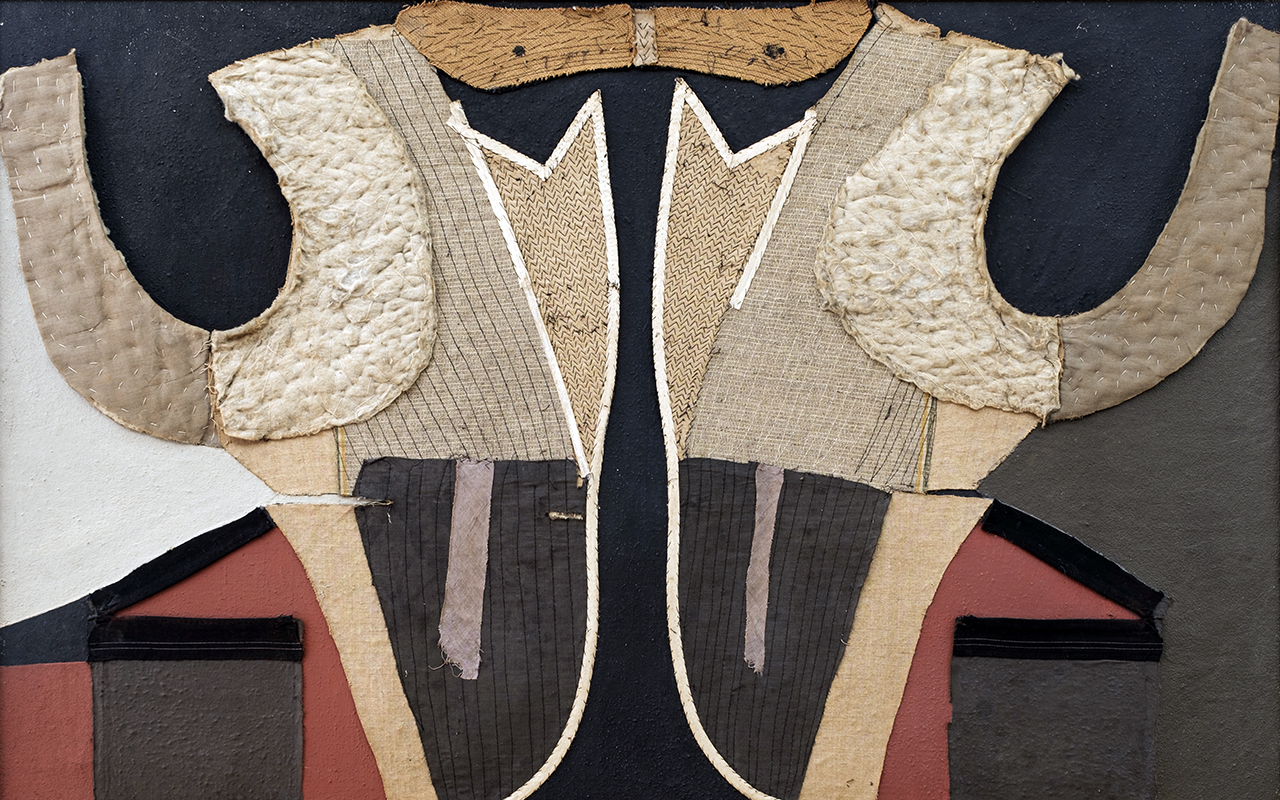
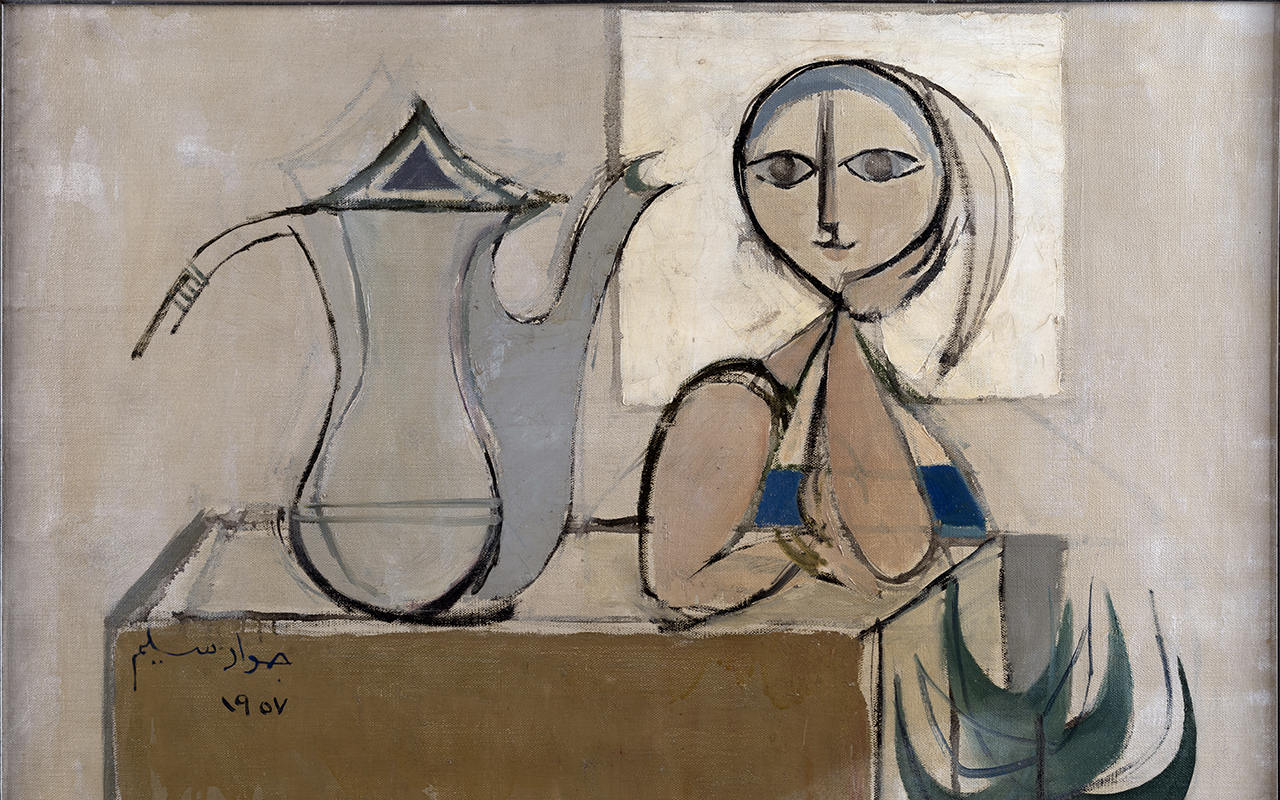
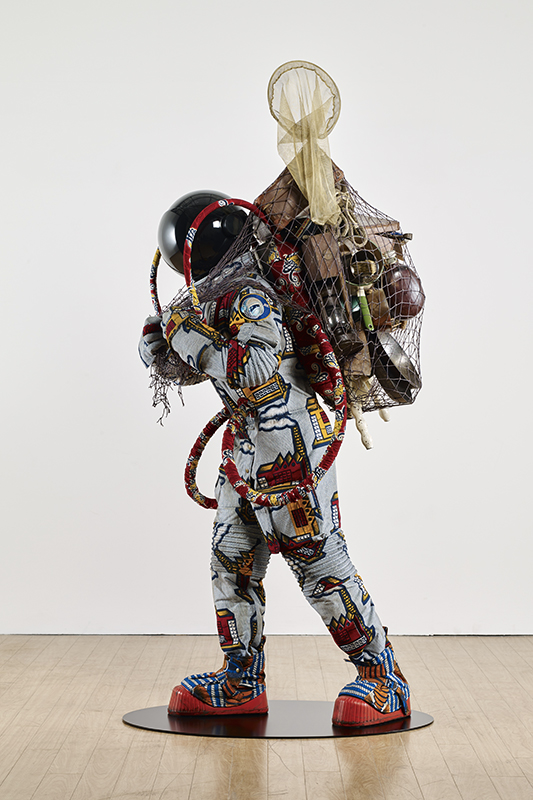
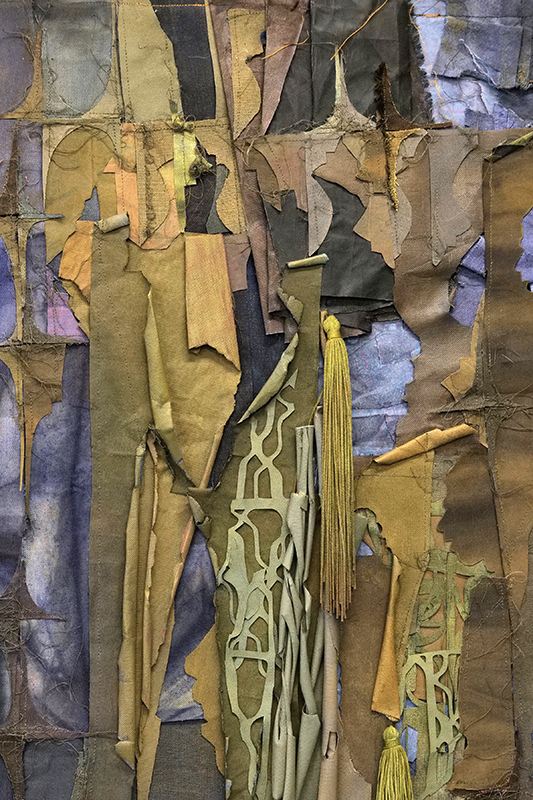
In the Historical Nucleus the room titled Portraits will include works by 112 artists, mostly paintings, but also works on paper and sculptures, covering a time span from 1905 to 1990. The room dedicated to Abstractions will include 37 artists, almost all of whom will be exhibited together for the first time in unexpected juxtapositions. A third room will be dedicated to the Diaspora of Italian artists, who traveled and moved abroad, integrating into local cultures and building their careers in Africa, Asia, Latin America, the rest of Europe, and the United States.
The Venice Biennale’s Commitment to Sustainability
For years, La Biennale has initiated a process of reviewing all its activities according to consolidated and recognized principles of environmental sustainability.
Also for 2024 the goal is to obtain “carbon neutrality” certification, achieved in 2023 for all activities programmed by the Biennale: the 80th International Film Festival, the Theater, Music, and Dance Festivals and, in particular, the 18th International Architecture Exhibition, which was the first major exhibition of this discipline to experiment in the field with a tangible path toward achieving carbon neutrality, itself reflecting on the themes of decolonization and decarbonization.
Tickets and Useful Information
The Venice Biennale
From April 20 to November 24, 2024 in Venice between the Giardini and the Arsenale
Summer hours: 11 AM – 7 PM (from April 20 to September 30 – last entry 6:45 PM)
Until September 30, Arsenale venue only: on Fridays and Saturdays extended opening until 8 PM (last entry 7:45 PM)
Autumn hours: 10 AM – 6 PM (from October 1 to November 24 – last entry 5:45 PM)
Closed on Mondays (except Mondays 04/22, 06/17, 07/22, 09/02, 09/30, 11/18)
Ticket sales are exclusively online.
Subscribe to our newsletter and follow @veneziadavivere on Instagram to experience with us the opening days of the Venice Art Biennale.
Article by Lucia Pecoraro.
Photos courtesy of La Biennale di Venezia.

