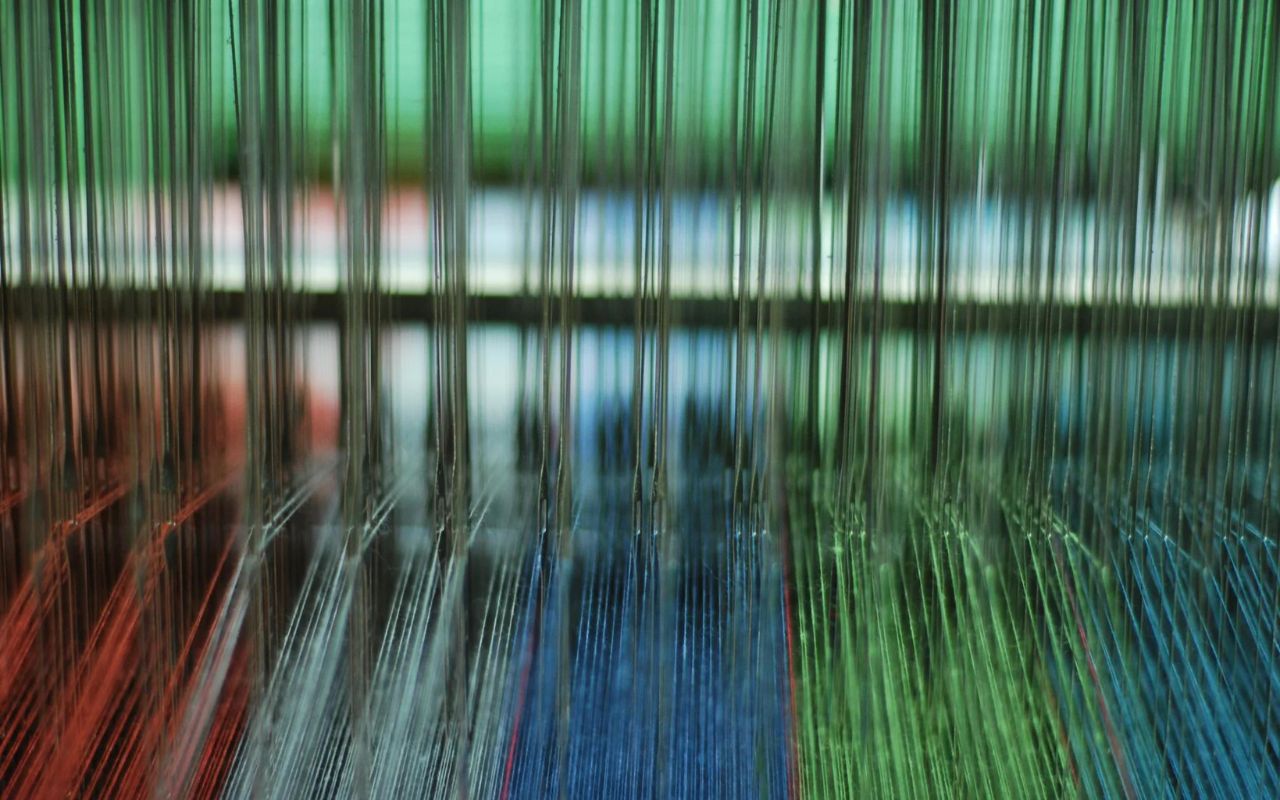
On Thursday, May 9, from 3:00 PM to 5:00 PM, Fondazione di Venezia presents a free online workshop on fashion sustainability, part of Homo Faber Economy, to explore how high craftsmanship contributes to sustainability in the fashion sector. Speakers: Giulia Pordd and Roberto Bottoli
Venetian high craftsmanship is recognized for its excellence and uniqueness and contributes significantly to sustainability in the fashion sector. It is an entrepreneurial fabric of small businesses that has long internalized the values of environmental and social responsibility, and today serves as a catalyst for sustainable practices to rethink traditional consumption models.
This transition has found a platform for dialogue and development in Homo Faber Economy, a project that aims to regenerate the social and entrepreneurial fabric of Venice, realized in collaboration with Ca’ Foscari University of Venice and Upskill 4.0, and funded by the Veneto Region.
An online workshop on fashion sustainability continues the training activities offered within the project on Thursday, May 9, from 3:00 PM to 5:00 PM. The session will explore how Venice’s high craftsmanship and the Veneto fashion supply chain are protagonists of innovative strategies that preserve traditional artisanal techniques while promoting conscious fashion.
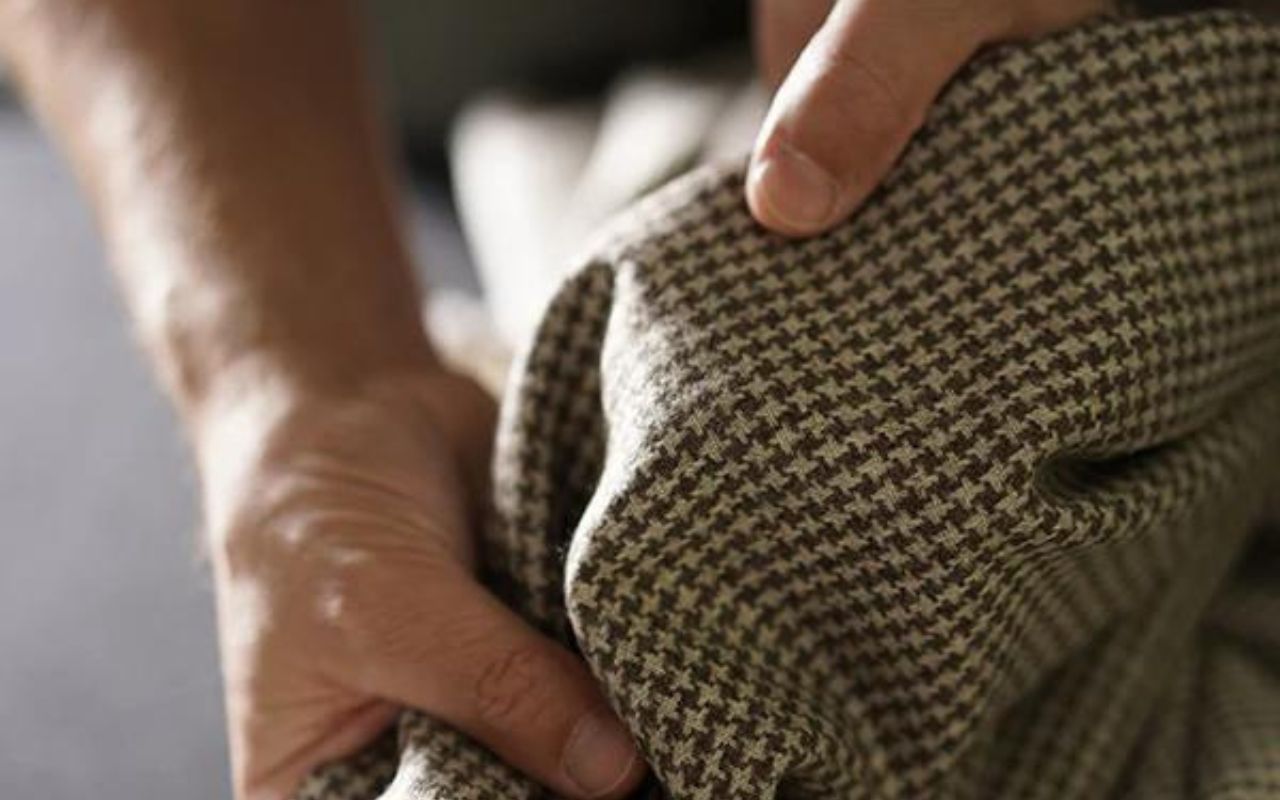
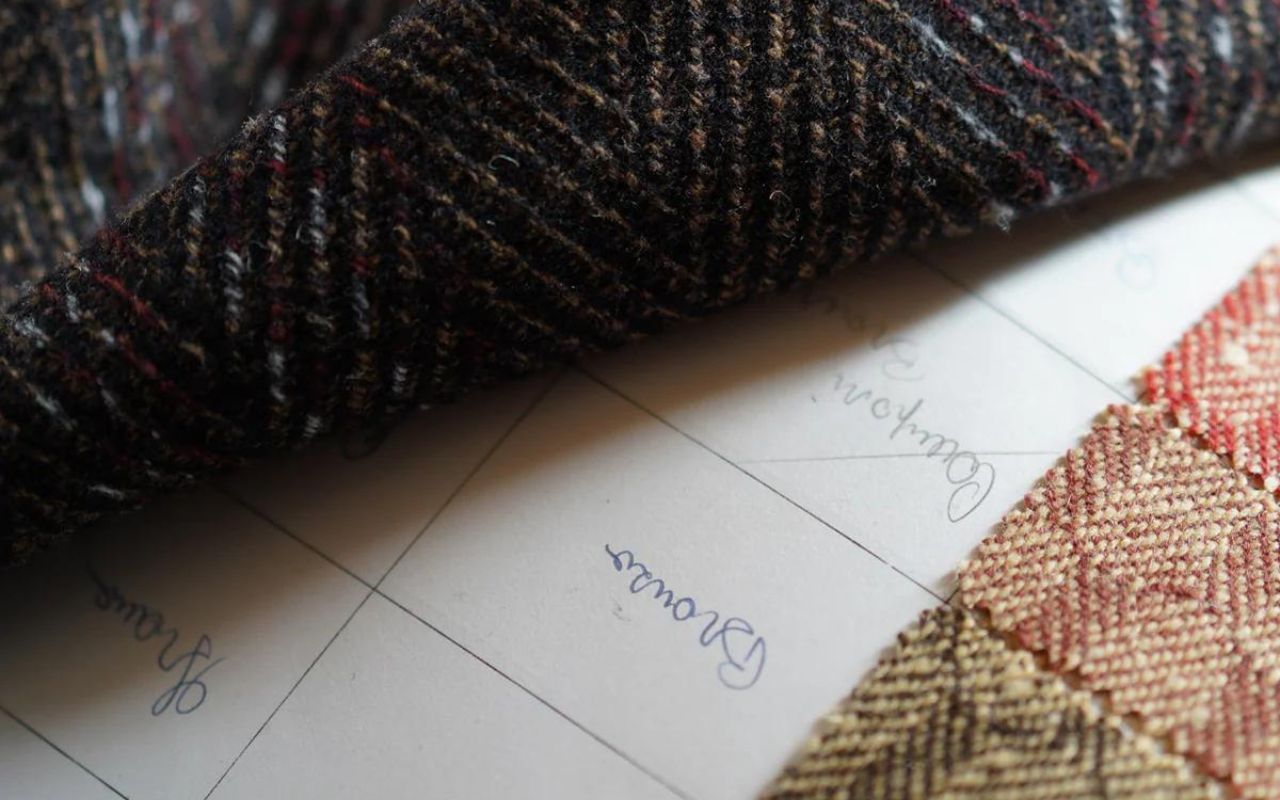
Giulia Pordd, ESG & Impact Manager, and Roberto Bottoli, President of Lanificio Bottoli and of Sistema Moda di Confindustria Veneto, will illustrate the synergies between major luxury brands and small businesses active in the supply chain. Concrete strategies will be explored, such as those already implemented by Venetian companies that enhance traditional methods in a contemporary key, or the case of Lanificio Bottoli, a full-cycle wool mill that has been producing high-quality natural fabrics in Vittorio Veneto since 1861. With an integrated vertical cycle, sustainable dyeing, and Italian wool, the Veneto mill collaborates with Etro, Ballantyne, Junya Watanabe, and other international luxury houses.
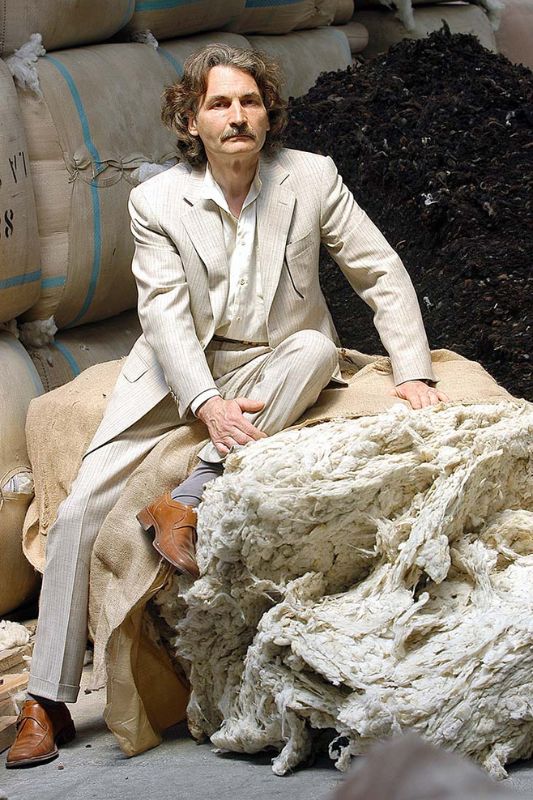
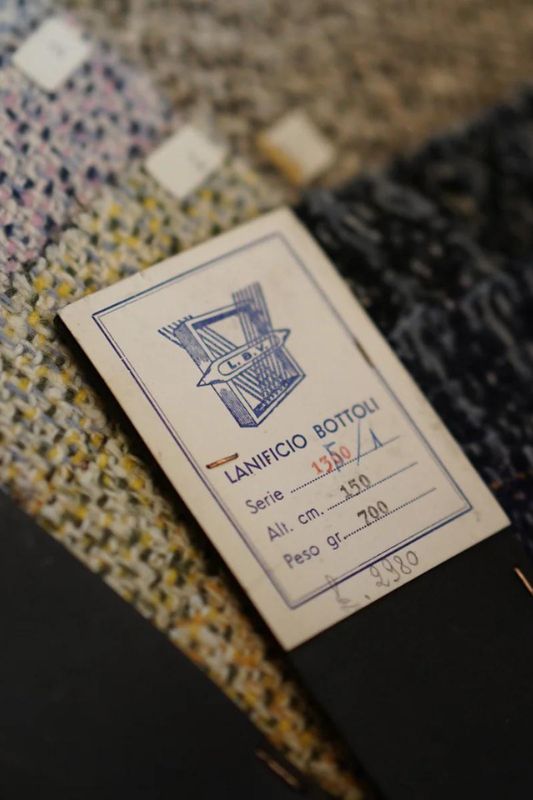
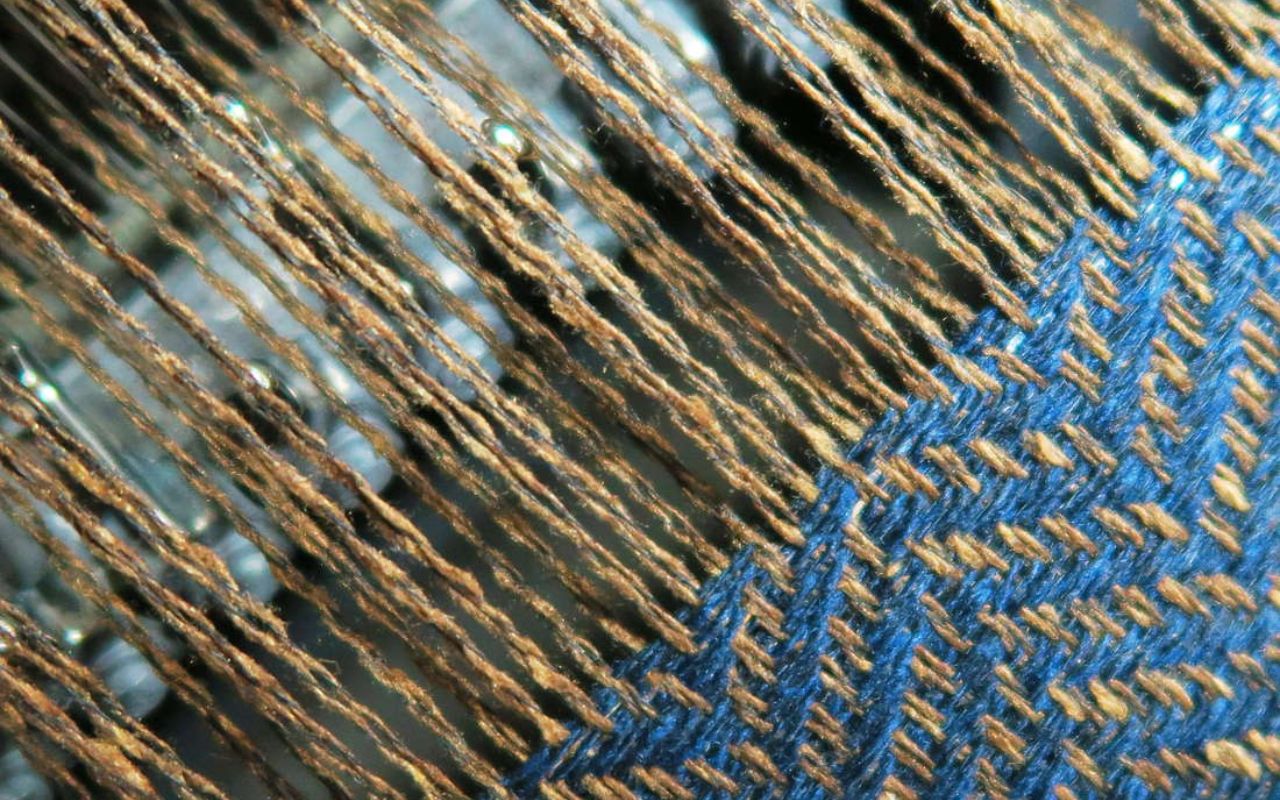
Selection of raw materials, dyeing, spinning, warping, weaving, and finishing: the vertical production adopted by the mill allows for cost reduction and guarantees quality and reliability for clients. A leader in the production of high-end apparel fabrics without chemical dyes, Lanificio Bottoli is a pioneer in environmental practices, starting with its collaboration with Dersut to produce a fabric made from recycled coffee grounds for dyeing.
As early as the 1950s, under the leadership of Giovanni Bottoli, the mill embarked on a virtuous path aimed at reducing the environmental impact of its production, introducing natural and certified yarns from ethical and environmentally respectful farms, investing in innovative technologies to optimize energy and water consumption, and implementing a waste management system focused on recycling and recovery.
The experience of Lanificio Bottoli demonstrates how tradition, innovation, and sustainability can go hand in hand. The webinar is aimed at those interested in sustainable fashion and the use of craftsmanship for positive local and global impact.
Participation in the webinar is free, with mandatory registration via the FORM.
Homo Faber Economy
A project promoted by Ca’ Foscari University of Venice in partnership with Fondazione di Venezia and Upskill 4.0 and realized thanks to funding from PR Veneto FSE+ 2021-2027 – DGR. 727/2023 VENEZIA I.C.O.N.A. of the Veneto Region.
Code 2120-0001-727-2023
CUP H77G23000350002
Article by Laura Scarpa and Lucia Pecoraro.
Photos courtesy of Lanificio Bottoli.

