
Seven world premieres and over 160 artists from around the world arrive in Venice for We Humans, the 18th International Festival of Contemporary Dance, curated by Wayne McGregor, from July 18 to August 3.
Starting this Thursday, July 18, We Humans, the 18th International Festival of Contemporary Dance, directed for the fourth time by Wayne McGregor, will feature a program of 80 events over 17 days (until Saturday, August 3) and seven world premieres, two European premieres, eleven Italian premieres, and well over 160 artists from all over the world, dedicated to analyzing the profound complexity of human life through a multiplicity of artistic languages: dance, film installations, artist talks, and workshops open to the public.
Numerous performances by international soloists and companies will be held across various venues in the city, including the Arsenale, Ca’ Giustinian, the Teatro Malibran, and Parco Albanese in Mestre.
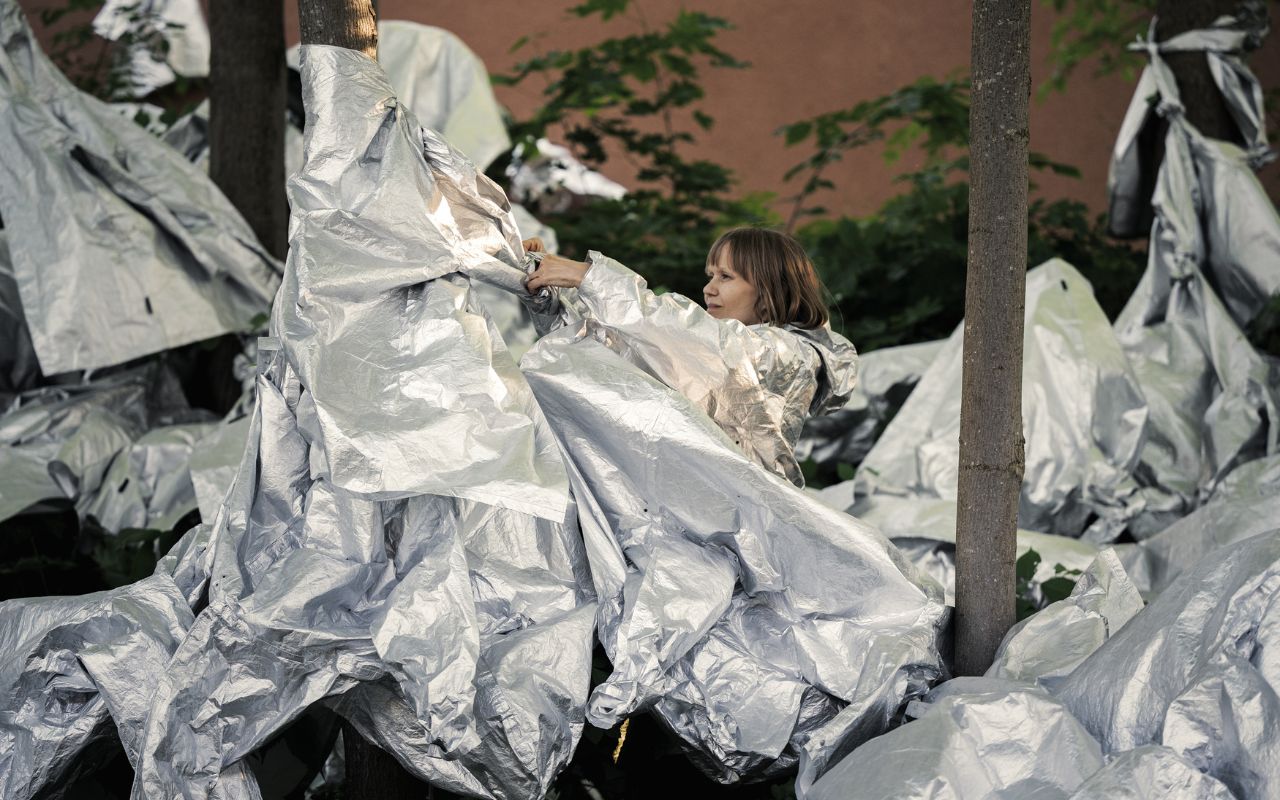
Cristina Caprioli, recipient of the Golden Lion for Lifetime Achievement, will open the festival with her multidimensional practice. Her works, including Deadlock, Flat Haze and Silver, use the locations of Venice and Mestre as canvases for chance encounters and intimate exchanges.
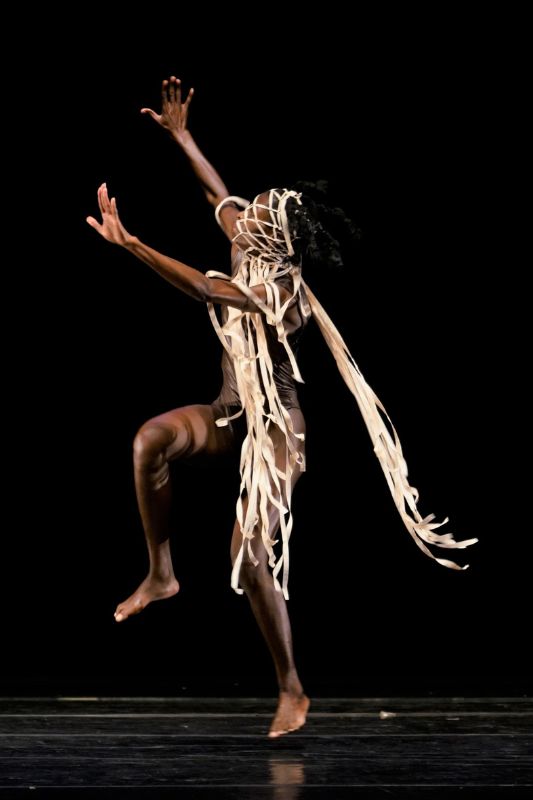
Trajal Harrell, winner of the Silver Lion, presents two emotionally impactful works: Sister or He Buried the Body and Tambourines, in which he explores themes such as race, gender, and politics in colonial America, regenerating historical materials and pre-existing dance forms through a technique defined as “fictional archiving.”
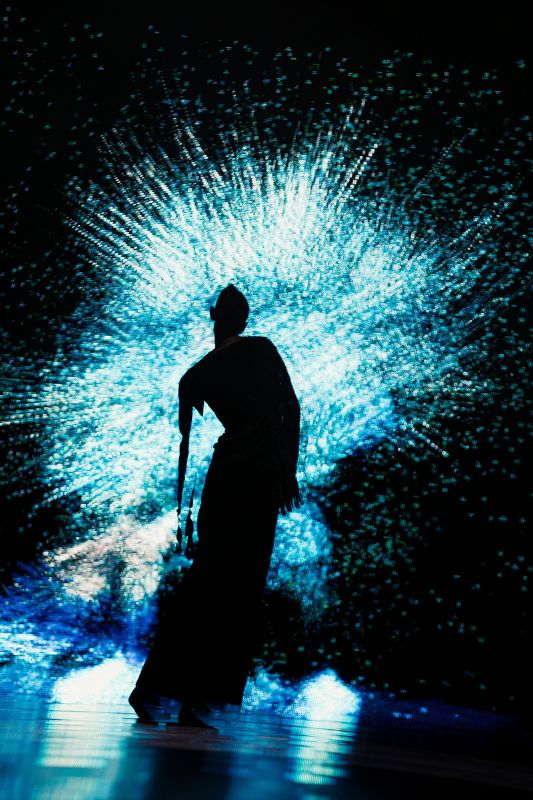
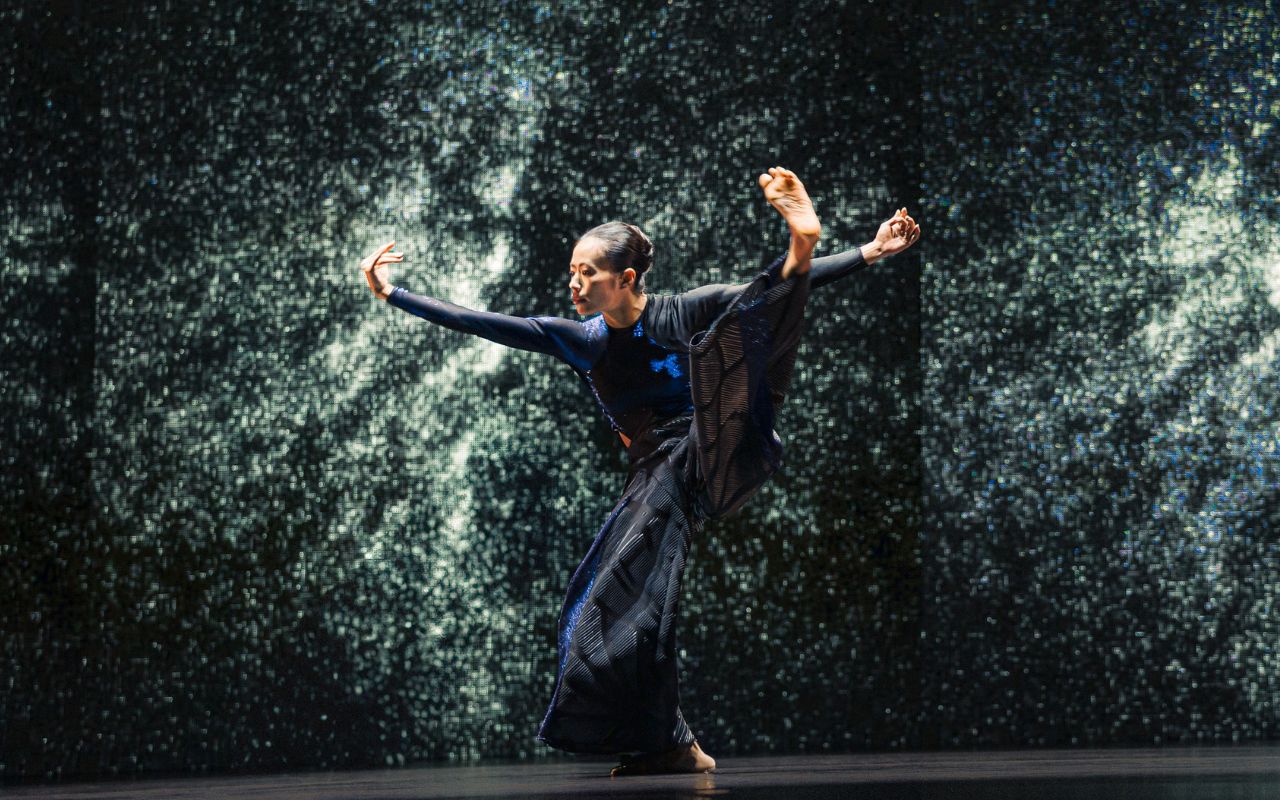
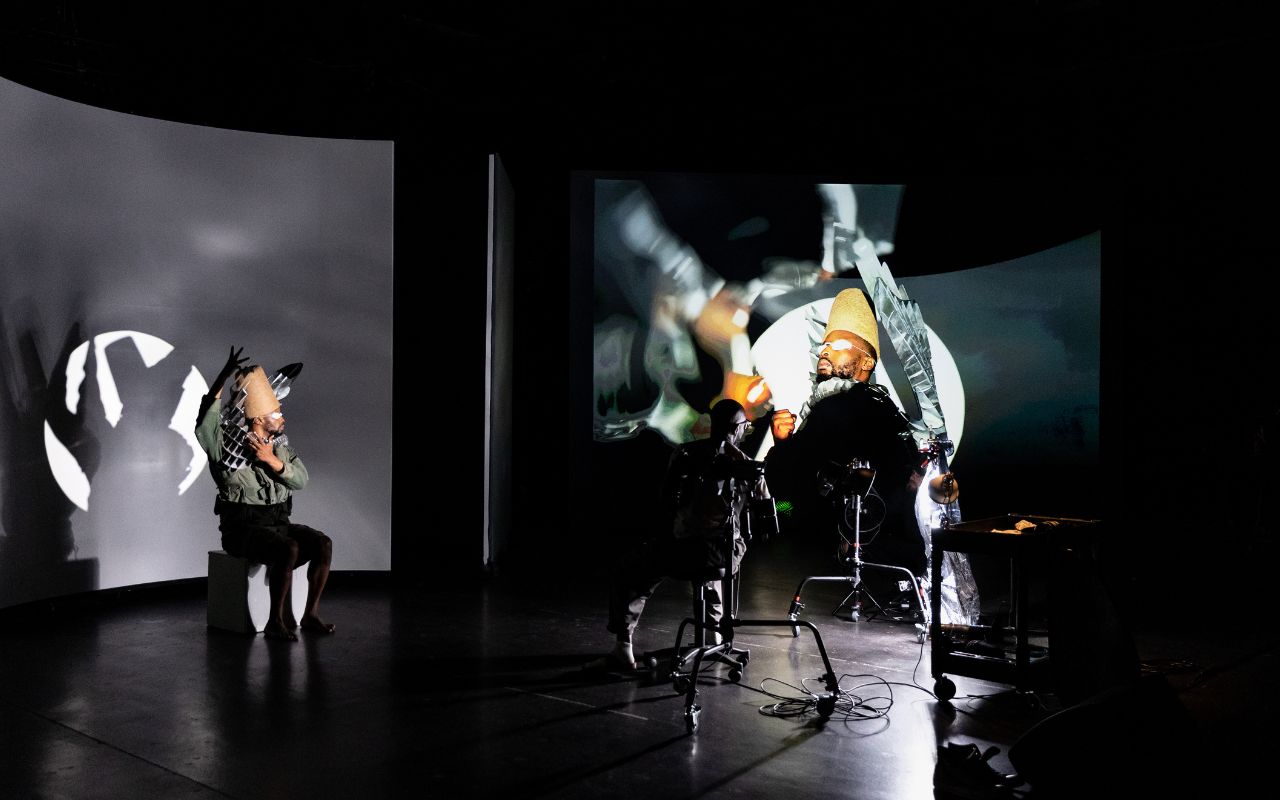
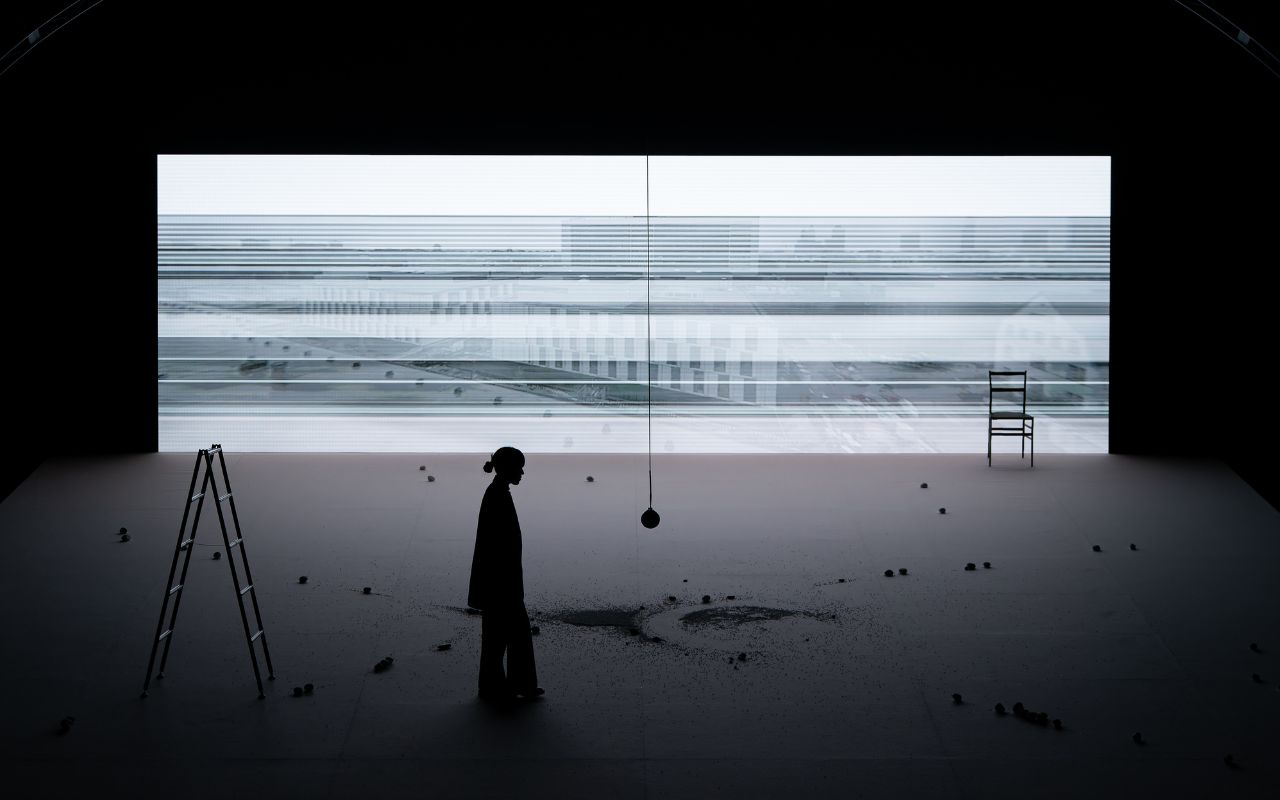
Dumb Type founder Shiro Takatani debuts with Tangent: a work on the liminal space between art, science, and technology. A performance, co-commissioned by Biennale Danza, that transcends the boundaries between the visual and performing arts.
Argentinian Melisa Zulberti, winner of the international call for new projects, challenges conventions through a performance on the concept of time that promises to provoke and surprise, titled Posguerra.
The 50th anniversary of the Cloud Gate company will be celebrated by its artistic director Cheng Tsung-lung, who will present the show Waves, in collaboration with digital artist Daito Manabe: through artificial intelligence, the movements of the dancing body will be collected and transformed into digital data.
The company Sankofa Danzafro, founded by Rafael Palacios, makes its Italian debut with Behind the South: Dances for Manuel, a tribute to the work of Manuel Zapata Olivella, a performance, choreography, and dramaturgy that speak of rebellion, liberation, and the connection to the African motherland.
Furthermore, artificial intelligence as an interface between the body, new technologies, and machine learning is explored in Human in the Loop by Nicole Seiler, who brings to Venice a performance in which she subjects AI to a “stress test,” blurring the lines between the human and the artificial, and exploring the technological and biological body.
Among the most anticipated film installations is De Humani Corporis Fabrica by Véréna Paravel and Lucien Castaing-Taylor, a profound reflection on the human condition. The work utilizes the most advanced endoscopic techniques to explore the complexity and beauty of the human body.
La Biennale Danza also presents a series of workshops and lessons open to the public with educational events to bring professionals and amateurs closer to the art of dance and to learn techniques and secrets from the great masters of the industry.
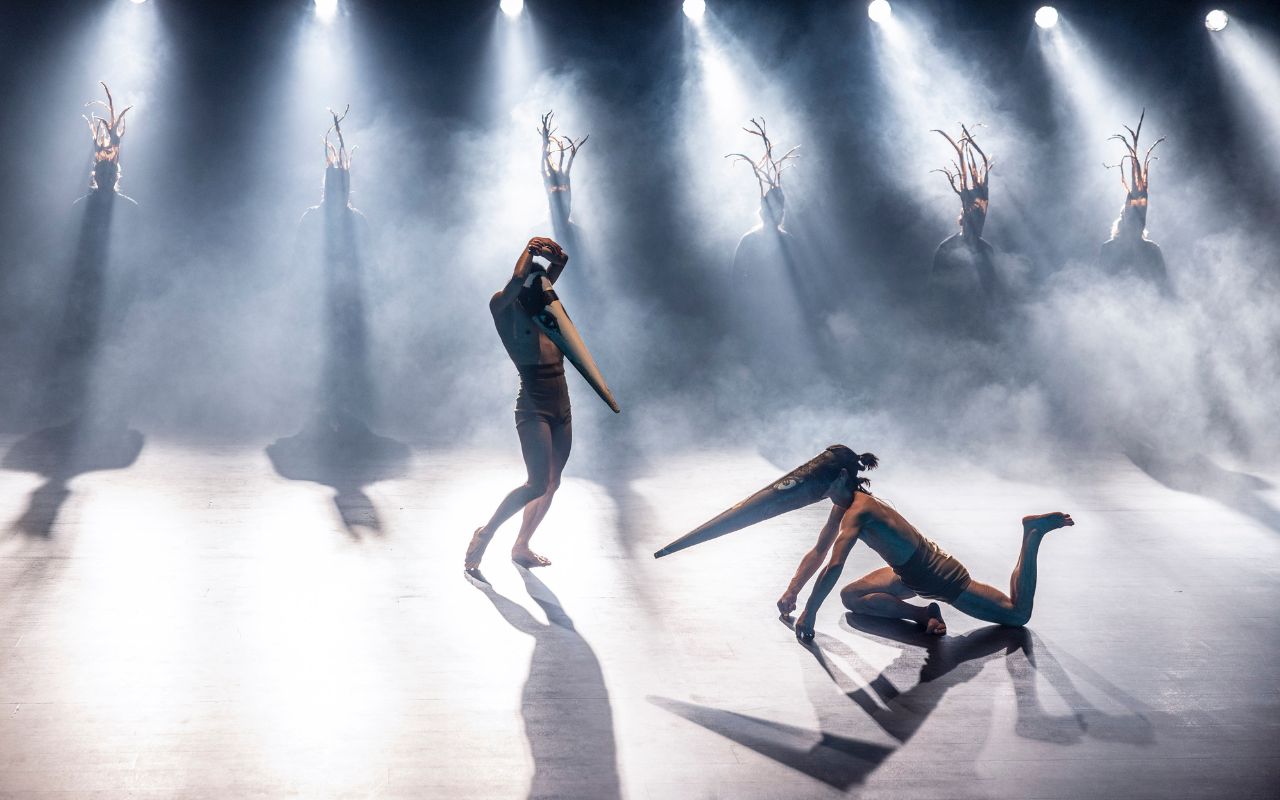
New choreographic creations selected through the Biennale Danza international call will be presented, such as Posguerra by Melisa Zulberti, There Was Still Time by the Miller de Nobili collective, and Folklore Dynamics by Noemi Dalla Vecchia and Matteo Vignali alias VIDAVÈ.
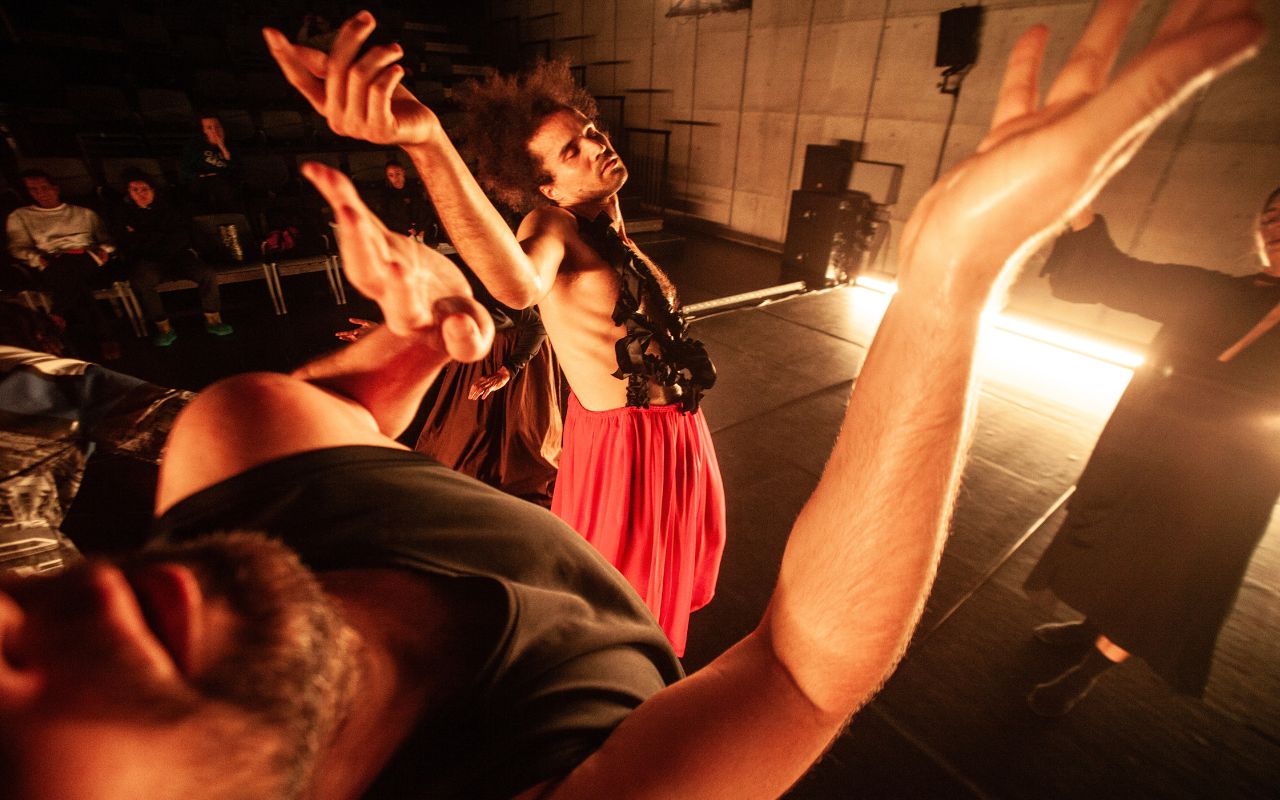
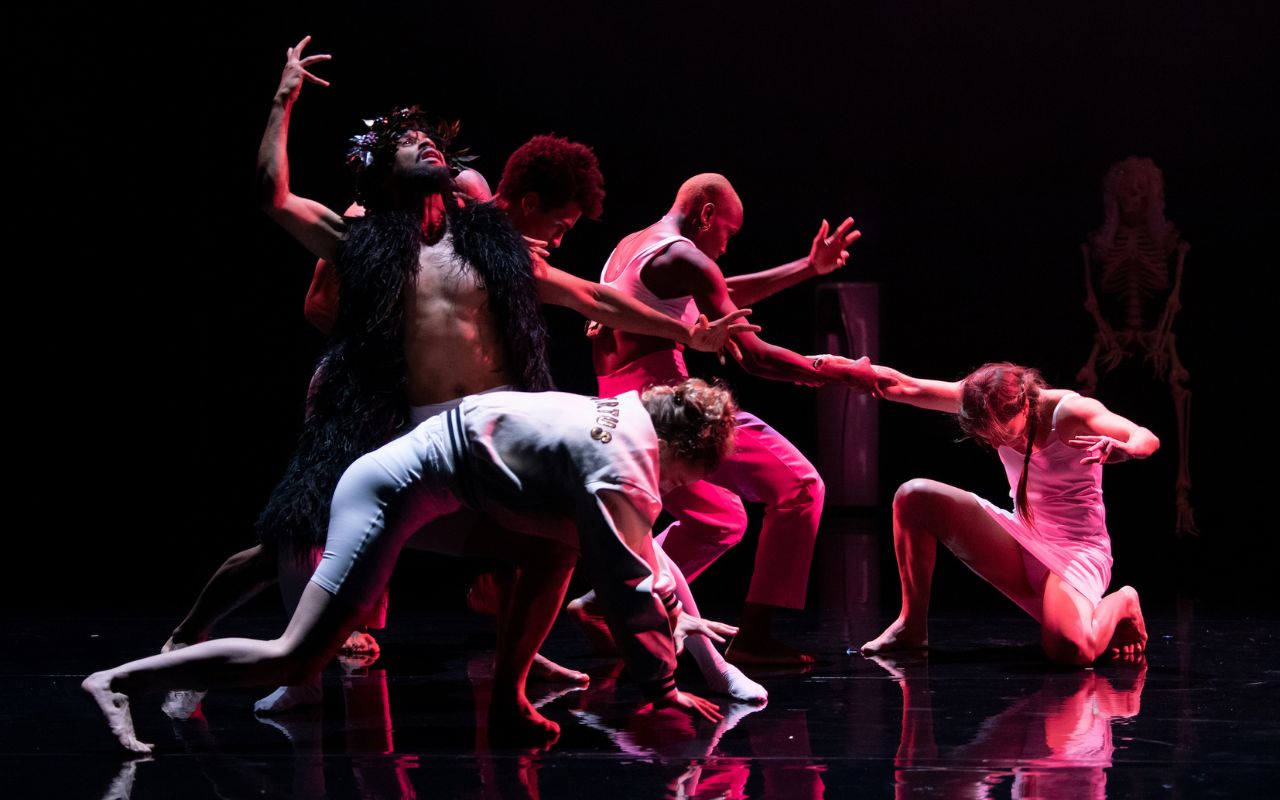
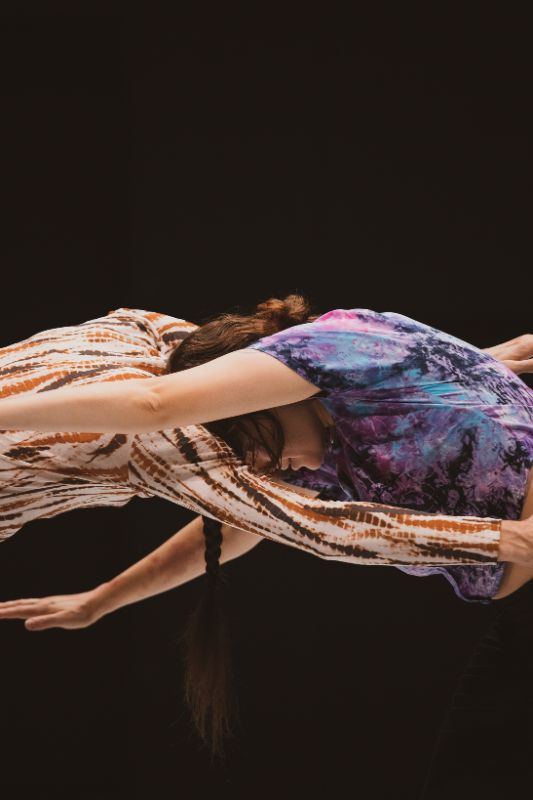
We Humans
The complexity of human life between innovation, technology, and traditional methods: Biennale Danza 2024 represents a meeting point between art and technology, where artists explore new creative frontiers. Collaboration is at the heart of the theme: artists work together using technological and analog means. In particular, artificial intelligence plays a fundamental role as a creative and performative tool, giving life to original works that challenge artistic and cultural conventions.
The performances explore the nuances of equality and diversity, always with mutual respect and common commitment. Through technology, artists create performances that question and reflect on political, social, and ethical themes, resulting from interdisciplinary collaborations that invite us to reconnect with what we share as human beings, and with what we can achieve through dialogue and cooperation.
The Choreographers and Dancers of the Future
The director of Biennale Danza 2024, Wayne McGregor, presents new works created in collaboration with Biennale College Danza, a fundamental component of the festival that aims to train the dancers and choreographers of the future, offering them the opportunity to collaborate with established international artists who will share their artistic practices, such as the artistic director himself, Cristina Caprioli, winner of the Golden Lion, and the first winner of the Biennale Danza Golden Lion, Carolyn Carlson, who will lead a three-day masterclass.
In the first days of the festival
Thursday, July 18, 2024
3 PM (by invitation) and 6 PM: Arsenale, Sala d’Armi E
Trajal Harrell – Sister or He Buried the Body (2022, 25’)
An international co-production explores themes of identity and performance.
5 PM (by invitation): Arsenale, Teatro alle Tese
Cristina Caprioli – Deadlock (2023, 55’)
The performance will be followed by a talk with the artist.
9 PM: Teatro Malibran
Cloud Gate Dance Theatre of Taiwan – Waves (2023, 70’)
A performance combining traditional and contemporary dance elements, followed by a talk with the artist.
Friday, July 19, 2024
12 PM and 3 PM: Via Garibaldi
Biennale College Dancers – The Bench (2024)
Choreography by Cristina Caprioli, a co-production with La Biennale di Venezia.
2 PM (by invitation): Arsenale, Sala d’Armi A
Verena Paravel and Lucien Castaing-Taylor – De Humani Corporis Fabrica (2022)
Video installation followed by a talk with Wayne McGregor.
4 PM and 7 PM: Arsenale, Sala d’Armi E
Trajal Harrell – Sister or He Buried the Body (2022, 25’)
Performance followed by a talk with the artist after the 7 PM show.
6 PM: Arsenale, Teatro alle Tese
GN|MC Guy Nader | Maria Campos – Natural Order of Things (2024, 60’)
Executive production Raqscene, co-production La Biennale di Venezia.
9 PM: Teatro Malibran
Cloud Gate Dance Theatre of Taiwan – Waves (2023, 70’)
Repeat performance followed by a talk with the artist.
Saturday, July 20, 2024
11 AM – 8 PM: Arsenale, Sala d’Armi A
Verena Paravel and Lucien Castaing-Taylor – De Humani Corporis Fabrica (2022)
Video installation.
3 PM: Arsenale, Teatro alle Tese
GN|MC Guy Nader | Maria Campos – Natural Order of Things (2024, 60’)
Repeat performance.
5 PM: Arsenale, Tese dei Soppalchi
Melisa Zulberti – Posguerra (approx. 2024, 60’)
New choreographic creation, winner of the Biennale Danza 2023-2024 international call.
Sunday, July 21, 2024
11 AM – 8 PM: Arsenale, Sala d’Armi A
Verena Paravel and Lucien Castaing-Taylor – De Humani Corporis Fabrica (2022)
Video installation.
12 PM: Via Garibaldi
Biennale College Dancers – The Bench (2024)
Choreography by Cristina Caprioli, a co-production with La Biennale di Venezia.
6 PM: Ca’ Giustinian, Sala delle Colonne
Awards Ceremony:
– Golden Lion for Lifetime Achievement to Cristina Caprioli
– Silver Lion to Trajal Harrell
9 PM: Arsenale, Tese dei Soppalchi
Melisa Zulberti – Posguerra (approx. 2024, 60’)
Repeat of the new choreographic creation followed by a talk with the artist.
Download the PDF with the Biennale Danza 2024 program.
The Biennale Danza 2024 Lions
Cristina Caprioli, Golden Lion for Lifetime Achievement at Biennale Danza 2024, is among the most significant figures in the world of contemporary dance, known for her innovative and multidisciplinary approach.
Born in Italy, Caprioli moved to Sweden in the 1980s, where she continued to develop her career as a choreographer and director. Her work is characterized by a fusion of dance, visual installations, and a particular focus on experimentation and innovation.
Caprioli founded the dance company ccap in 1998, based in Stockholm, through which she has produced numerous works that challenge traditional dance conventions. Her artistic research explores themes such as time, space, and perception, often incorporating elements from other artistic and scientific disciplines.
One of the most distinctive aspects of her choreography is the integration of advanced technologies and digital media, allowing her to create performance experiences that transcend the physical limits of dance and offer an intense and complex vision of movement and artistic expression.
Trajal Harrell, Silver Lion at Biennale Danza, is an American choreographer and dancer known for his ability to blend different dance styles and historical influences, combining elements of modern dance, voguing, and performance art.
One of his best-known works, noted for its bold and intellectually stimulating approach that questions notions of gender, race, and identity, is Twenty Looks or Paris is Burning at The Judson Church, which explores a hypothetical fusion between the voguing of the Harlem ballroom scene and the postmodern dance of the Judson Dance Theater in 1960s New York.
His performance style, which challenges traditional categories and creates new perspectives on dance as a form of artistic expression, will continue in Venice with new works exploring the connections between dance history and contemporary cultural practices.
Who is Wayne McGregor?
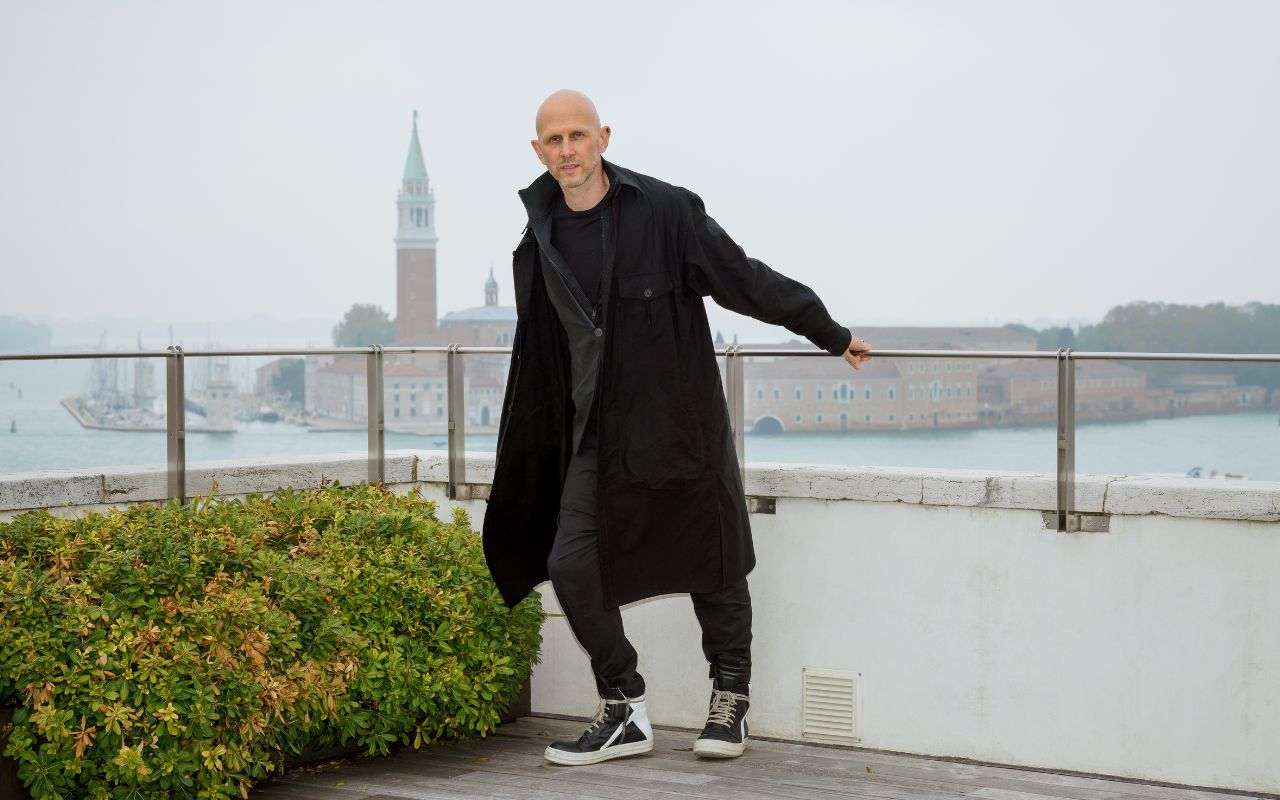
The visionary artist behind this edition of Biennale Danza was born in Stockport, England, in 1970. Wayne McGregor is a choreographer and director who was appointed Commander of the Order of the British Empire (CBE) in 2011 for his contributions to dance and art, further consolidating his position as one of the most influential and respected figures in the contemporary dance landscape. His pioneering approach blends innovation and interdisciplinarity, combining dance with neuroscience, artificial intelligence, and digital technologies.
His most notable projects include Living Archive, developed with the Google Arts & Culture Lab, which uses machine learning to create new choreographic movements inspired by McGregor’s vast archive; and Choreographic Thinking Tools, developed with Professor Philip Barnard of the MRC Cognition and Brain Sciences Unit in Cambridge, which explores the interaction between body and mind during choreographic creation.
McGregor has also collaborated with Professor David Kirsh of the University of California, San Diego, to study “distributed creative cognition”—how ideas develop and transform within a creative working group, such as a dance company.
He has worked with many major dance companies, such as the Royal Ballet in London, where he was the first resident choreographer, and founded his own company, Wayne McGregor | Random Dance.
Biennale Danza 2024 | We Humans
18th International Festival of Contemporary Dance
From Thursday, July 18 to Saturday, August 3, Venice
Article by Lucia Pecoraro.
Photos courtesy of the La Biennale di Venezia Press Office.

