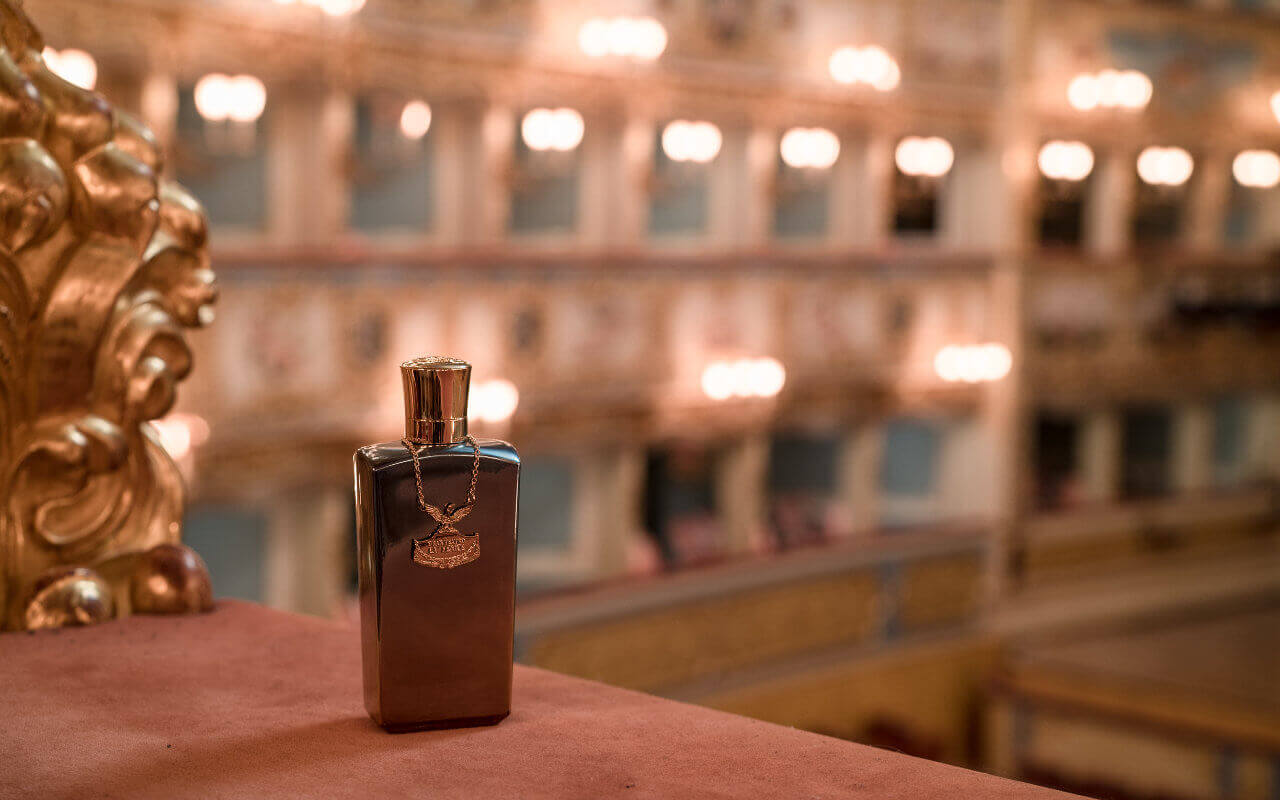
Discover the Venetian perfumery art with The Merchant of Venice: handcrafted perfumes and sensory experiences in an ancient seventeenth-century pharmacy.
The Merchant of Venice artistic perfumes are to be considered a journey through time, started when the Venetians were importing spices, precious oils and fragrances from the Orient and when Venice initiated the world perfume tradition. The high craftsmanship of the Venetian Republic and the Mude, the naval routes, which connected the Eastern world and Africa to Europe and to the North Sea and brought to Venice the raw materials for the perfumes, are now the inspiration of the brand created by Mavive, a company of the Vidal family, Venetian perfumers for over a century.
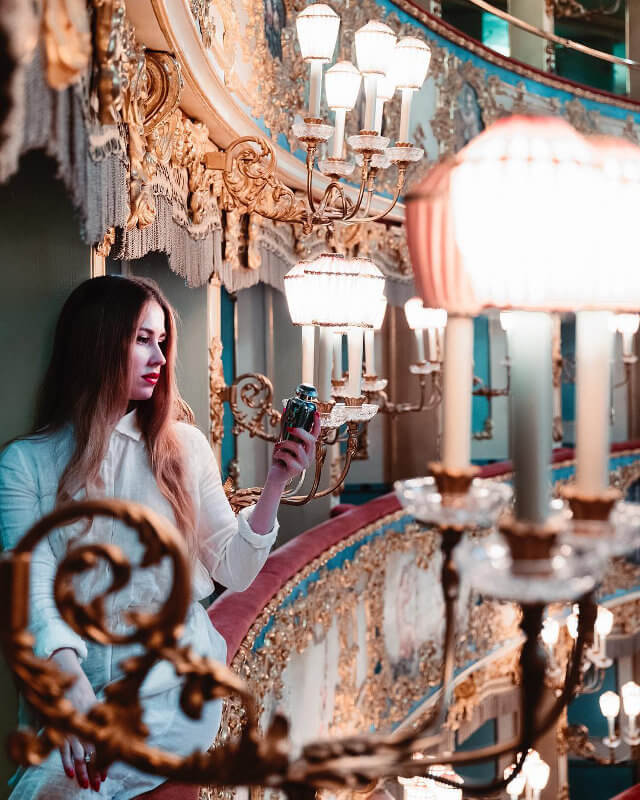
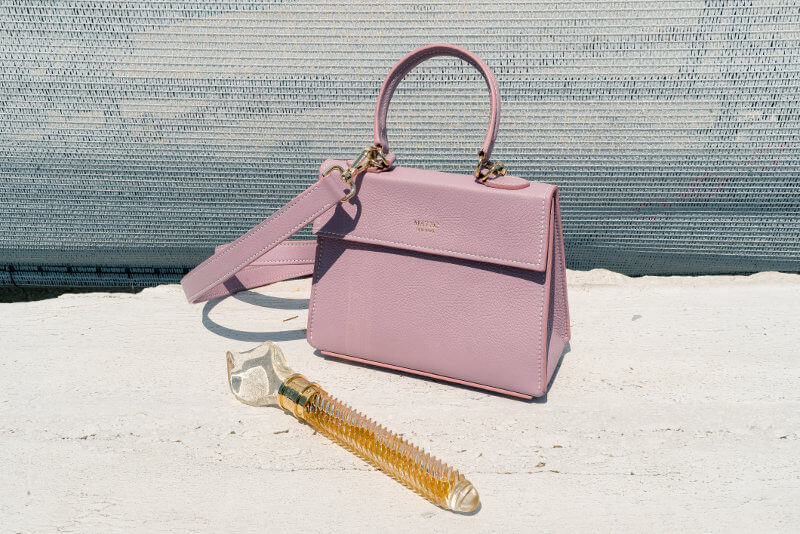
A line of high-quality perfumery that offers a wide range of Eau de Parfum and Eau de Toilette; a brand that was born as a cultural project to reveal that perfume, as we know it, was born in Venice: ancient laboratories, sensory experiences, olfactory paths, a museum of perfume, a collaboration with the La Fenice Grand Theater for sensory synaesthetic experiences, and two old pharmacies in Venice restored and reopened by Mavive, the Antica Farmacia di San Fantin and the historic Spezieria all’Ercole d’Oro in Santa Fosca.
The Perfume Museum, created by the Vidal family in the halls of the sixteenth century Palazzo Mocenigo in cooperation with the Civic Museums Foundation, represents a stimulating path through the history of perfume and costume, thanks to multimedia didactic contents and rare objects, such as a precious volume whose reprint was edited by the Vidal family, the Notandissimi Secreti De l’Arte Profumatoria by Gianventura Rossetti; this was the first cosmetic essay in the Western history, published in 1555.
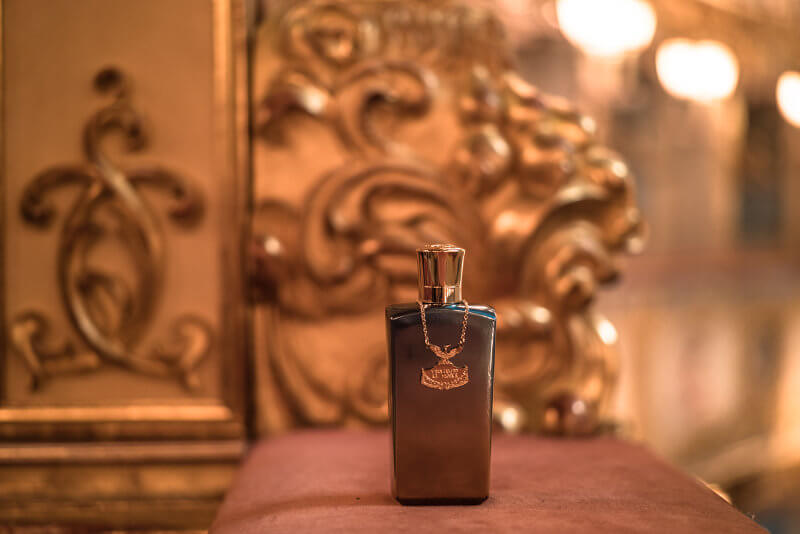

Venice and the Perfume
The history of the perfume begins in Venice around the year 1075, when the Byzantine princess Anna Teodora Dukas marries the Doge Domenico Selvo and introduces the city to customs and products from the Orient. Therefore perfume makes its appearance in Europe and opens the way, between Venice and Greece, Persia, Egypt, Arabia and Constantinople, to a new flourishing and innovative business: it is in Venice that the local apothecaries dilute the solutions in extremely pure aquavit delivering the first eau de toilette.
The ‘Mude’ departed from Venice and reached the new harbours through new trading routes, bringing to the Serenissima knowledge and rare raw materials; while skilled craftsmen (the ‘muschieri’, the powder sellers of Cyprus and the soap makers) invented new production techniques that made the perfumes and Venetian cosmetics highly requested in all the European courts of the time.

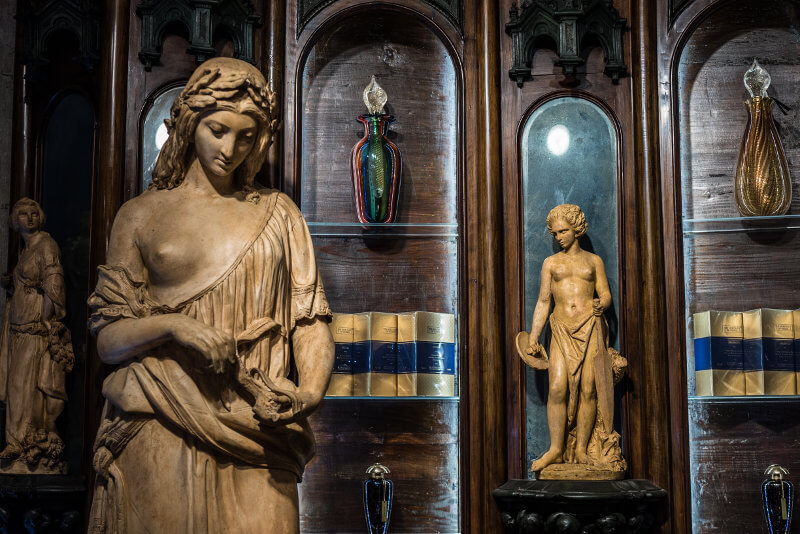
The perfumes and fragrances of The Merchant of Venice
The Murano Collection and Nobil Homo lines were born from the encounter between perfume and Arte Vetraria Veneziana: glass flasks finely decorated with motifs and drawings of the Murano tradition were made for the six Eau de Parfum Murano Collection: Flower Fusion, Byzantium Saffron, Mandarin Carnival, Noble Potion, Suave Petals and Asian Inspirations
The four Eau de Parfum Nobil Homo line are dedicated to the Venetian nobleman, a cosmopolitan and curious traveller, and are olfactory masterpieces with woody and spicy notes: Esperidi Water reveals a bouquet of white flowers warmed by cedar and vetiver. Sage in Dalmatian Sage enhances the citrus notes of vetiver and cedar. Spicy touches of saffron, pepper and nutmeg for the flowery and woody heart of Sultan Leather. Bergamot and patchouli are sweetened with plum and geranium in the Ottoman Amber.
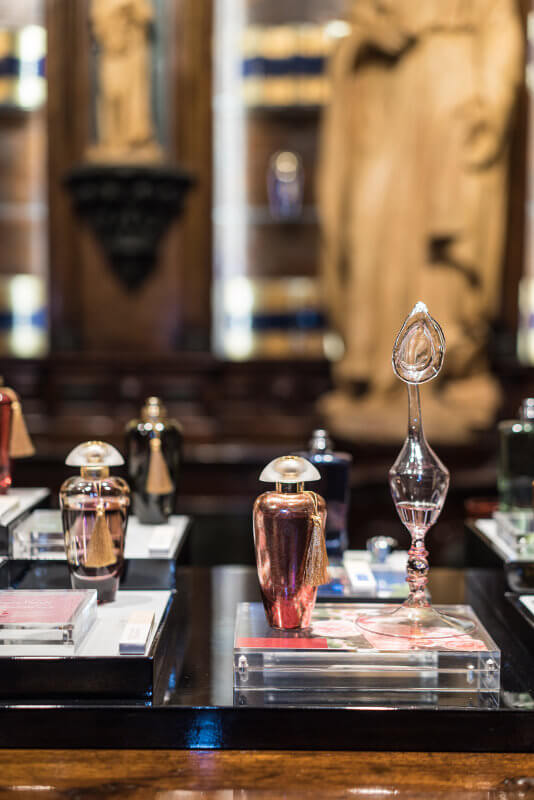
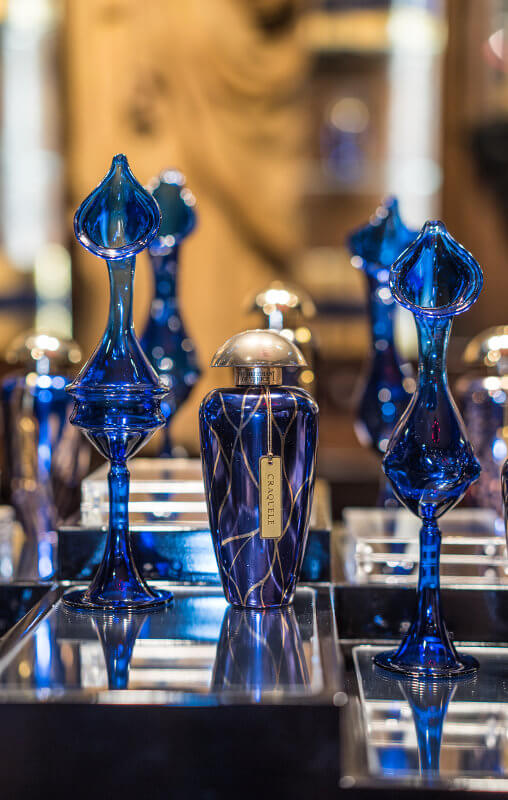
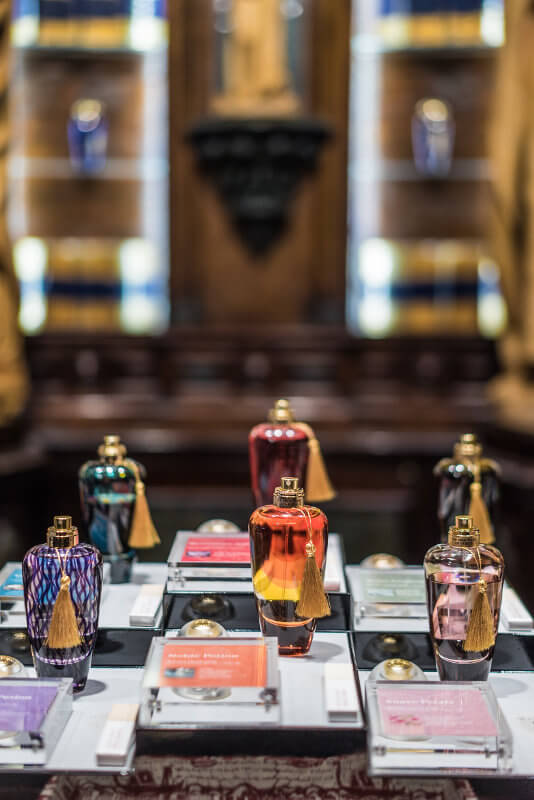
The latest fragrance of The Merchant of Venice is the spectacular Rosa Moceniga: an ancient rose, arrived in Europe centuries ago from the valleys of Central China; today it grows wild in the Venetian hinterland, but the silvery pink petals and its fruity scent evoke exotic and distant territories.
Research and history, art and story telling are present in every bottle, even in the Secreti Nobilissimi bath foams whose formula was born thanks to the indications found in the ‘I Notandissimi Secreti de l’Arte Profumatoria’ glossary; the shape of the bottle derives from one of the antique perfume containers displayed at the Perfume Museum.
It is also possible to create custom perfumes thanks to the Perfumer Kit and its forty single components.
The photos are by Ekaterina Mishchennkova, @katia_mi, Francesca Occhi, @francesca_occhi, and Hulya Ozkurt, @hulyaozkurt, for Venezia da Vivere.
Antica Farmacia San Fantin
Campo San Fantin, San Marco 1895
Phone: +39 041 2960559
Visit the store
Museo di Palazzo Mocenigo
Palazzo Mocenigo, Santa Croce 1992
Phone: +39 041 2440207
Visit the store
Spezieria all’Ercole D’Oro
Strada Nova, Santa Fosca, Cannaregio 2233
Phone: +39 041 720600
Visit the store

