The tribute to Luciana Boccardi at the Venice Biennale
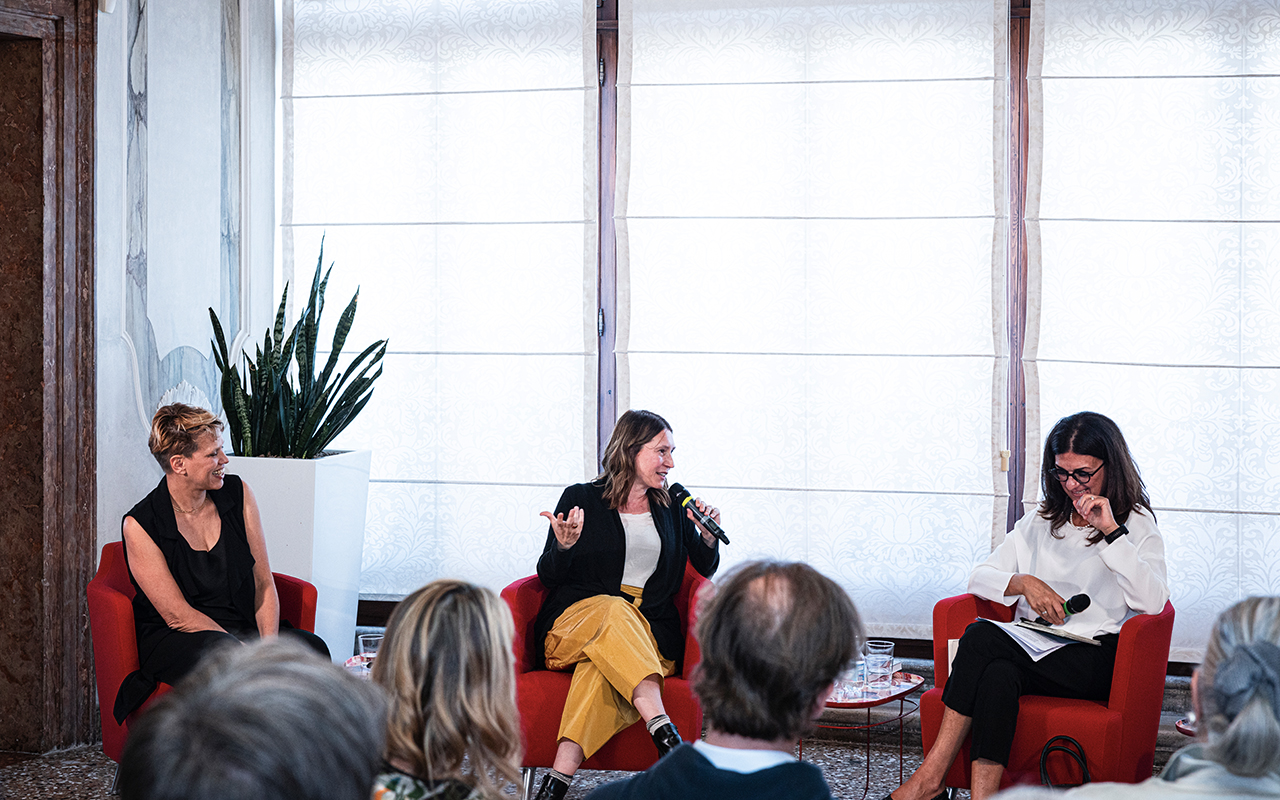
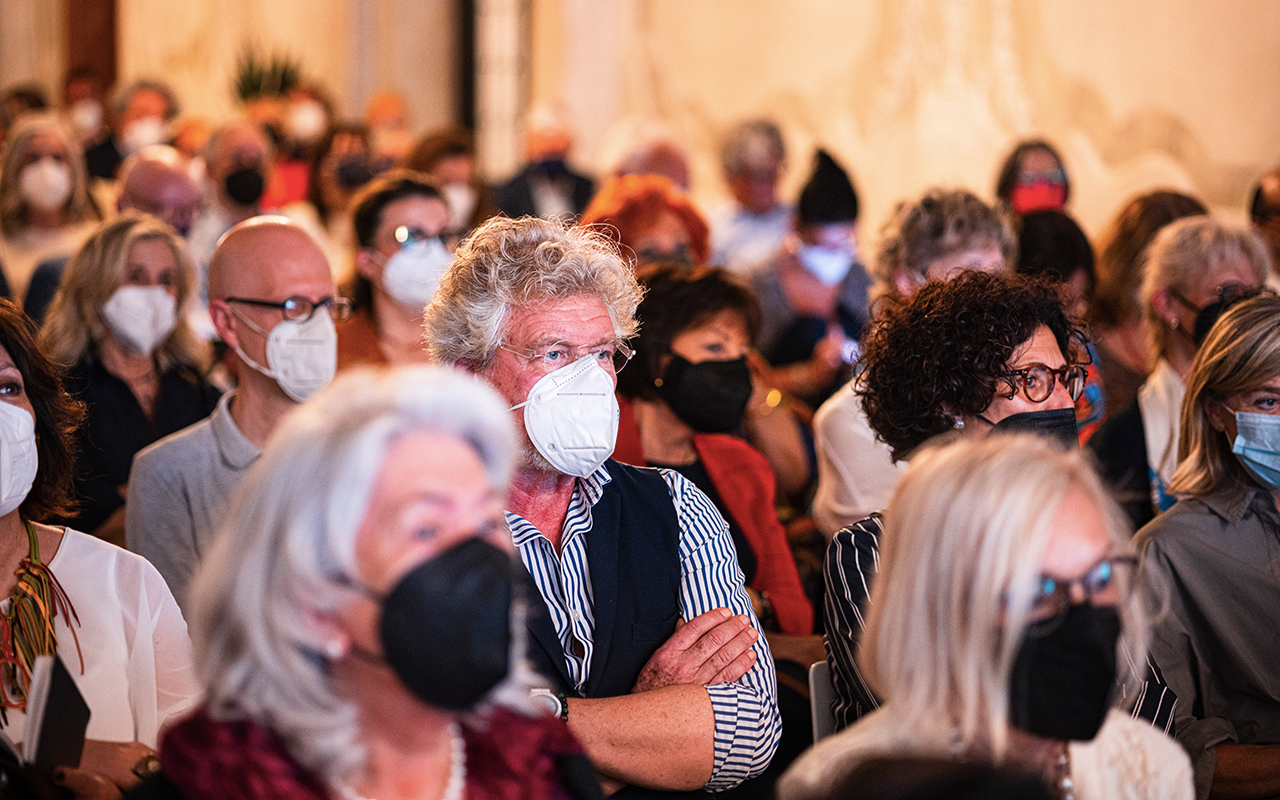
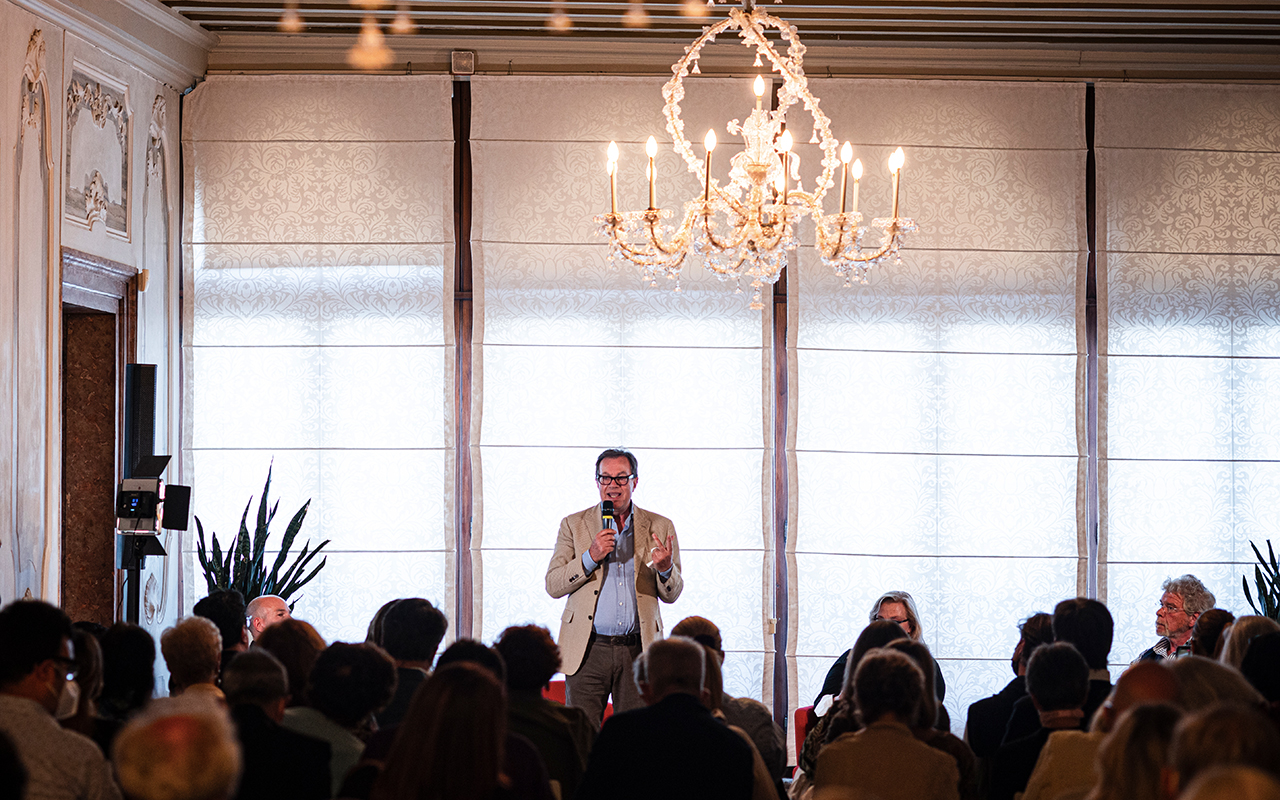
Many friends gathered on May 12, 2022, on the first noble floor of Ca’ Giustinian, headquarters of the Venice Biennale, to remember the Venetian writer and journalist, Luciana (Crovato) Boccardi.
Laura Scarpa of Venezia Da Vivere introduced the guests who spoke to share their memories and the intense emotions experienced with Luciana. Roberto Cicutto, president of the Biennale, described her as “a person touched by grace.” In the letter from Luca Zaia, Governor of Veneto, an “indomitable Venetian” emerges, who “leaves us the most beautiful and, at the same time, greatest legacy: that of the resilience typical of the Lagoon, capable of rising from misfortunes, regardless of their nature.”
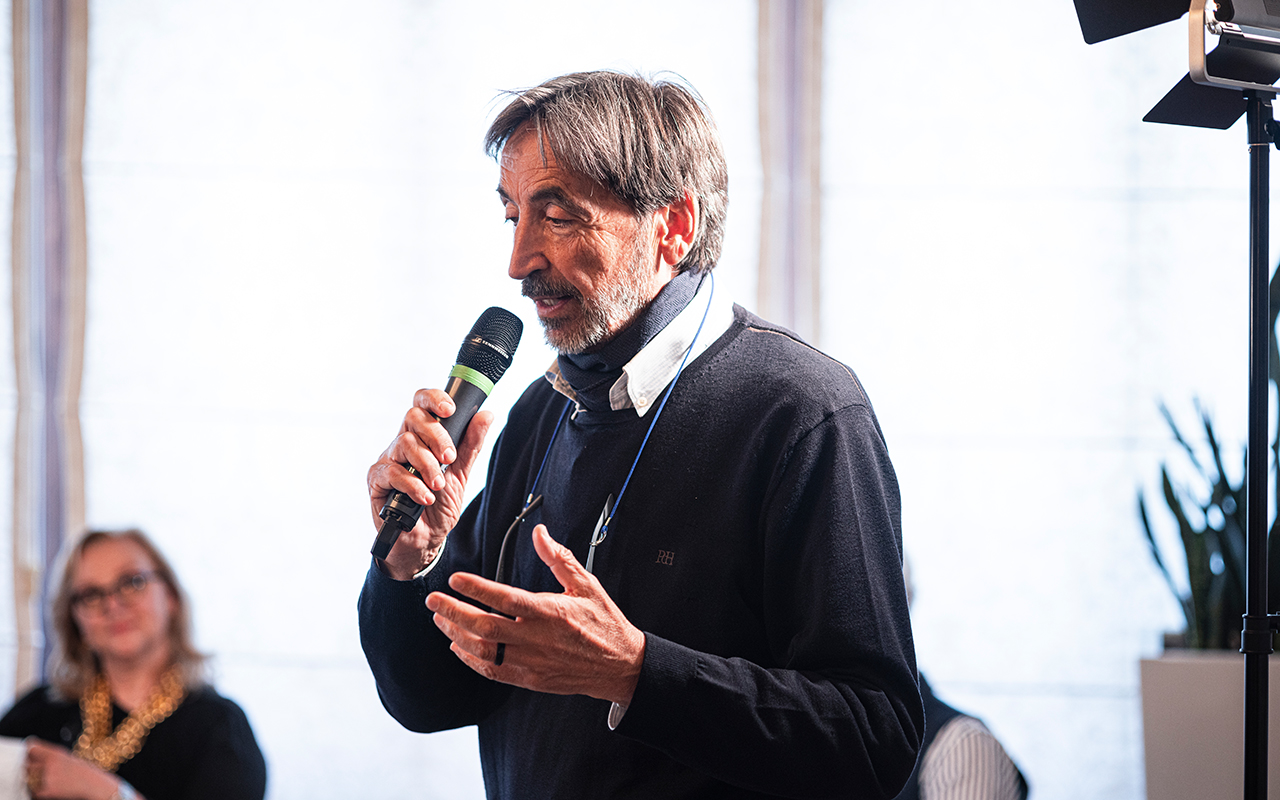
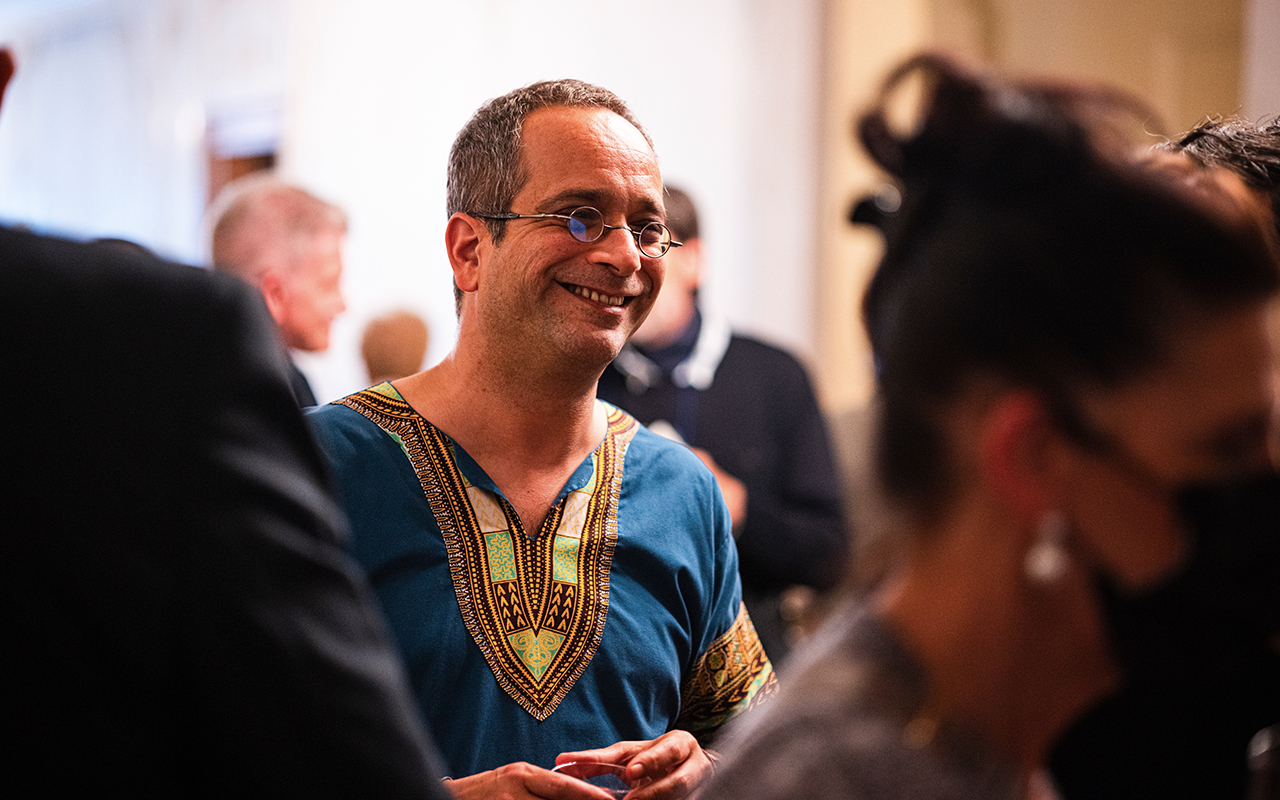
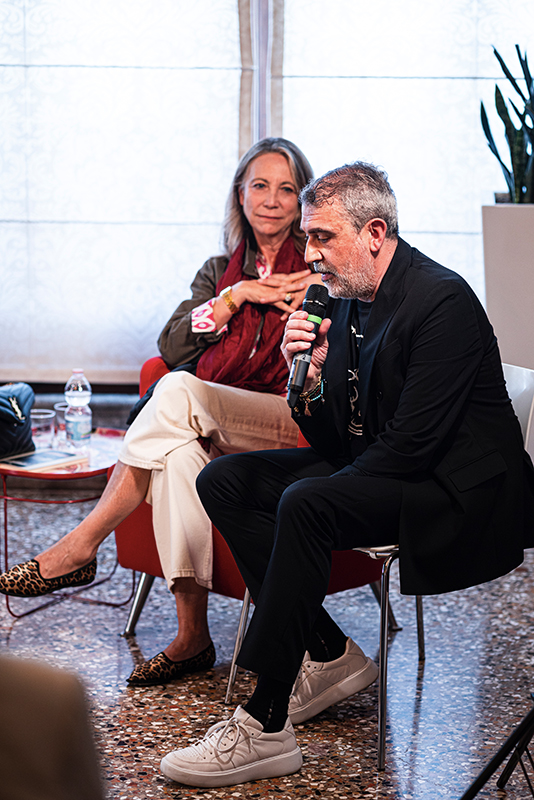
Alda Vanzan, journalist and author of the book “La Boccardi” (Supernova Edizioni), and Alice Di Stefano, editorial director of Fazi Editore, told us many episodes and curiosities related to Boccardi’s life and books.
Luciana’s last book will never be published, but along with La signorina Crovato and Dentro la vita (Fazi Editore), it is part of an autobiographical project titled Le 780 barche—taken from a playful memory of her first job as an apprentice all-rounder in a “brushes and other haberdashery” shop.
A twist, as often happened with her, leaves us unsatisfied in discovering the third and final part, dedicated to the love of an extraordinary life, which took Jacques-Yves Cousteau’s words literally: “When a man, for whatever reason, has the opportunity to lead an extraordinary life, he has no right to keep it to himself.”
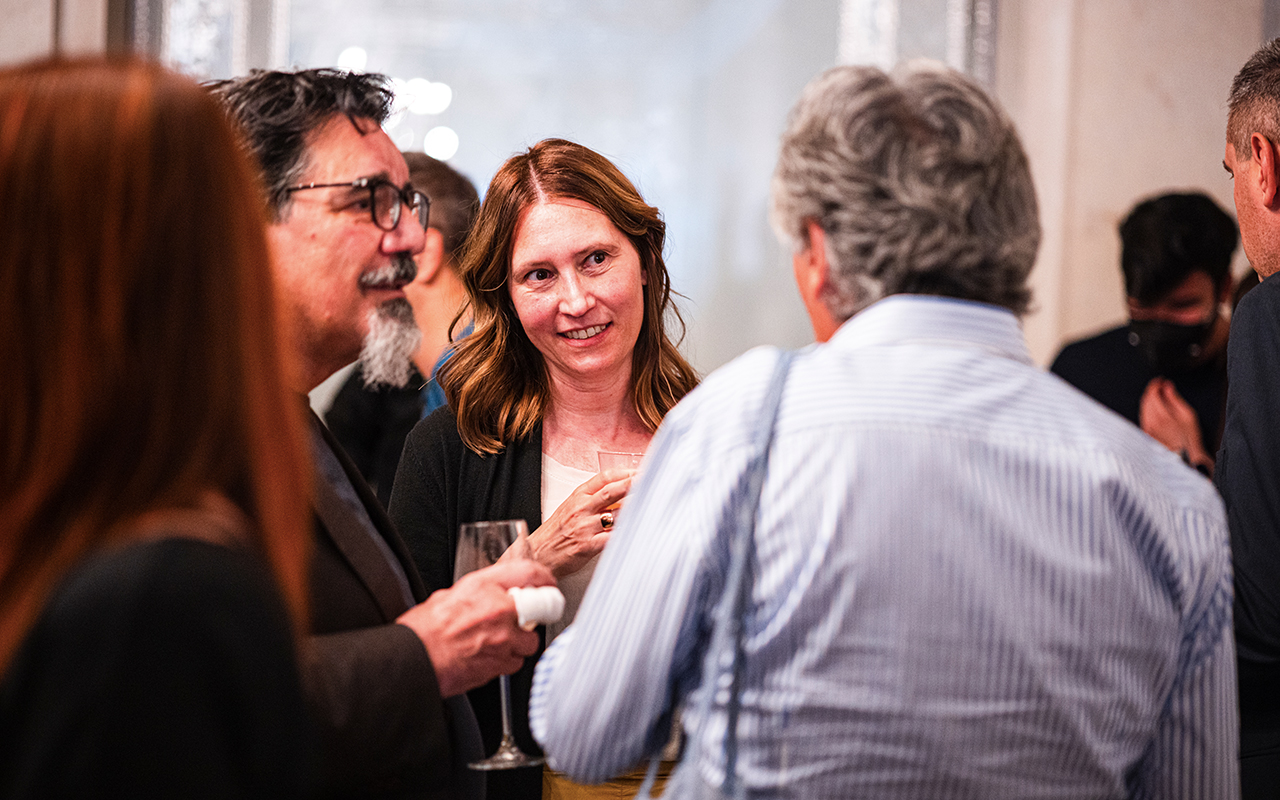
“There was something that bound us, besides her having the same name as my grandmother” are the words of Cristiana Schieppati of Crisalide Press. “Santa Luciana was the name of our chat.” They are the fashion journalist friends, from Milan and beyond, “Boccardi’s girls” who give the audience tears and smiles: Rita Camelli, Sofia Catalano, Cinzia Malvini, who recalls the meetings in Rome for AltaRoma and the friendship for her clear eyes and sincerity, and many others, who came with enthusiasm to remember the volcanic and “tough” Luciana together.
“There are only two important women in my life: Adele Cambria and Luciana,” says the Lucanian designer Michele Miglionico, “she was a wild horse, free, running in her own way.”
Among the Venetians, the designer Silvano Arnoldo of the Venetian brand Arnoldo & Battois tells of the great fashion shows in Piazza San Marco organized by Luciana: “The only one to have brought fashion to Venice for the first time,” says Gianni de Checchi of Confartigianato di Venezia; between stratospheric arguments and Marpessa, in the early 90s Venice saw three great fashion shows: Something Blue, Something Pink, and Something Deep Black. One of these featured an unforgettable performance by Stefano Nicolao of Nicolao Atelier.
“Venice Fashion Capital” was Luciana’s great project, recalled Giovanna Pastega, who launched the idea of creating a fashion center in Venice, naming it after Luciana Boccardi. The “Signorino Crovato” is the journalist and historian of Venice Maurizio Crovato, who highlighted Luciana’s aptitude for excellence, as at the beginning of her career at the Biennale, alone among many men and the fastest to type on her Olivetti 82.
Among the thousand nuances of her life, intense memories, surprising revelations, the feeling that she had many lives and that she never told us all of them, Luciana gave us another gift: she left us a symbol of her greatness, generosity, and strength, right in front of her house in Campo de la Bragora: an olive tree, brought as a gift from Salento fifteen years ago by her dear friend Francesco. When we pass by there, it is something alive and beautiful to greet.
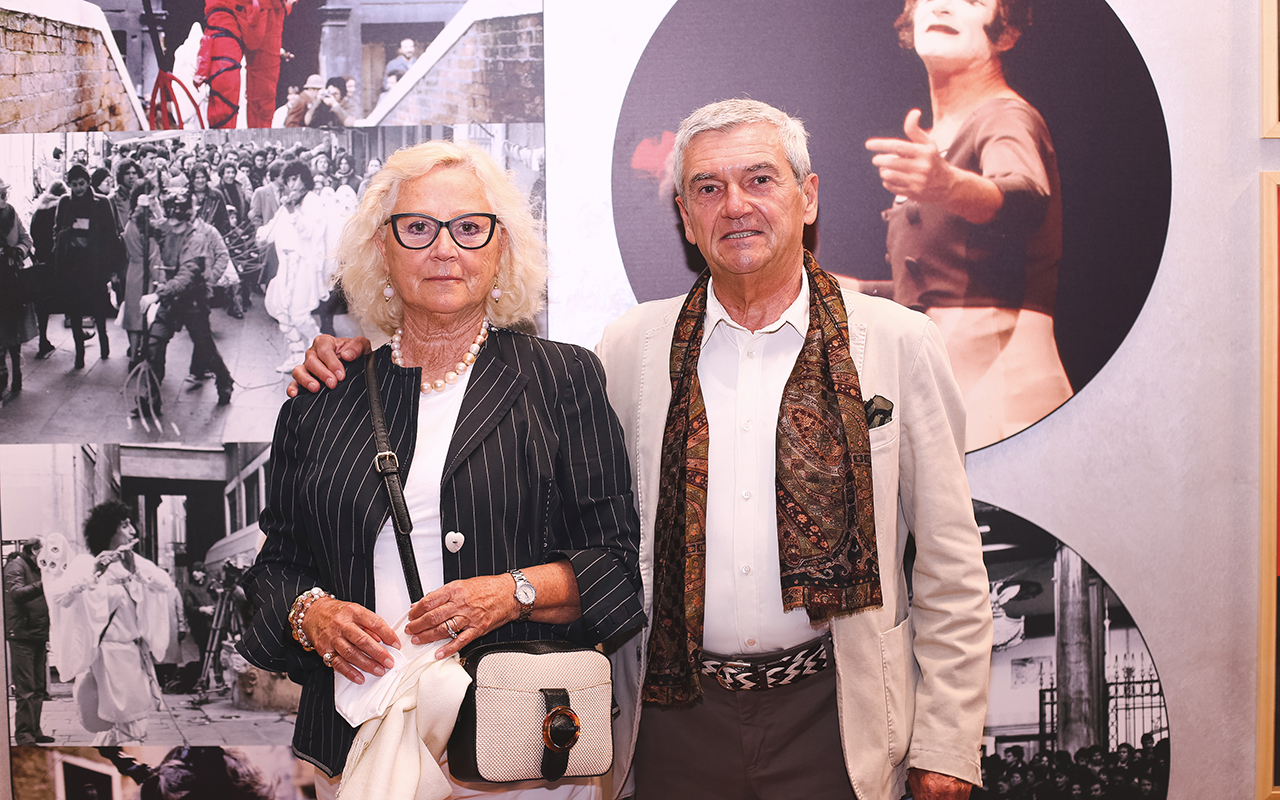
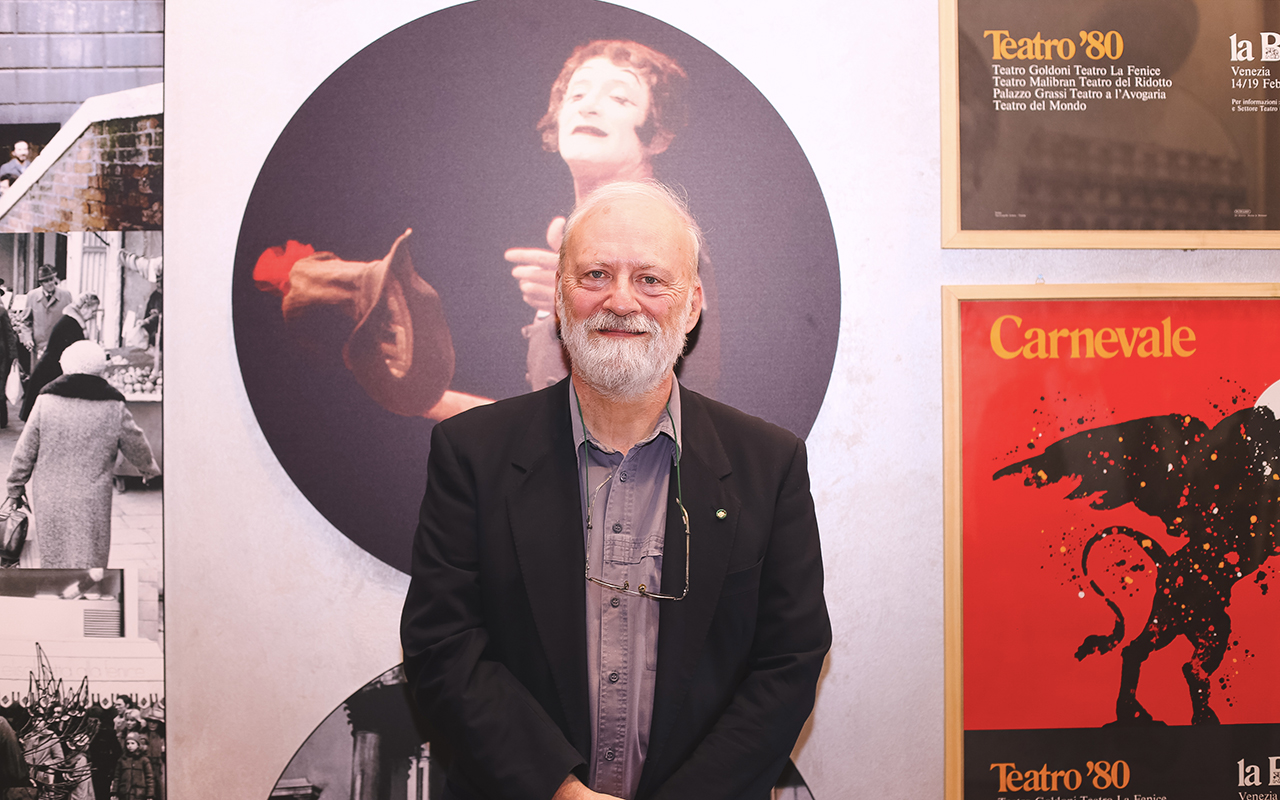
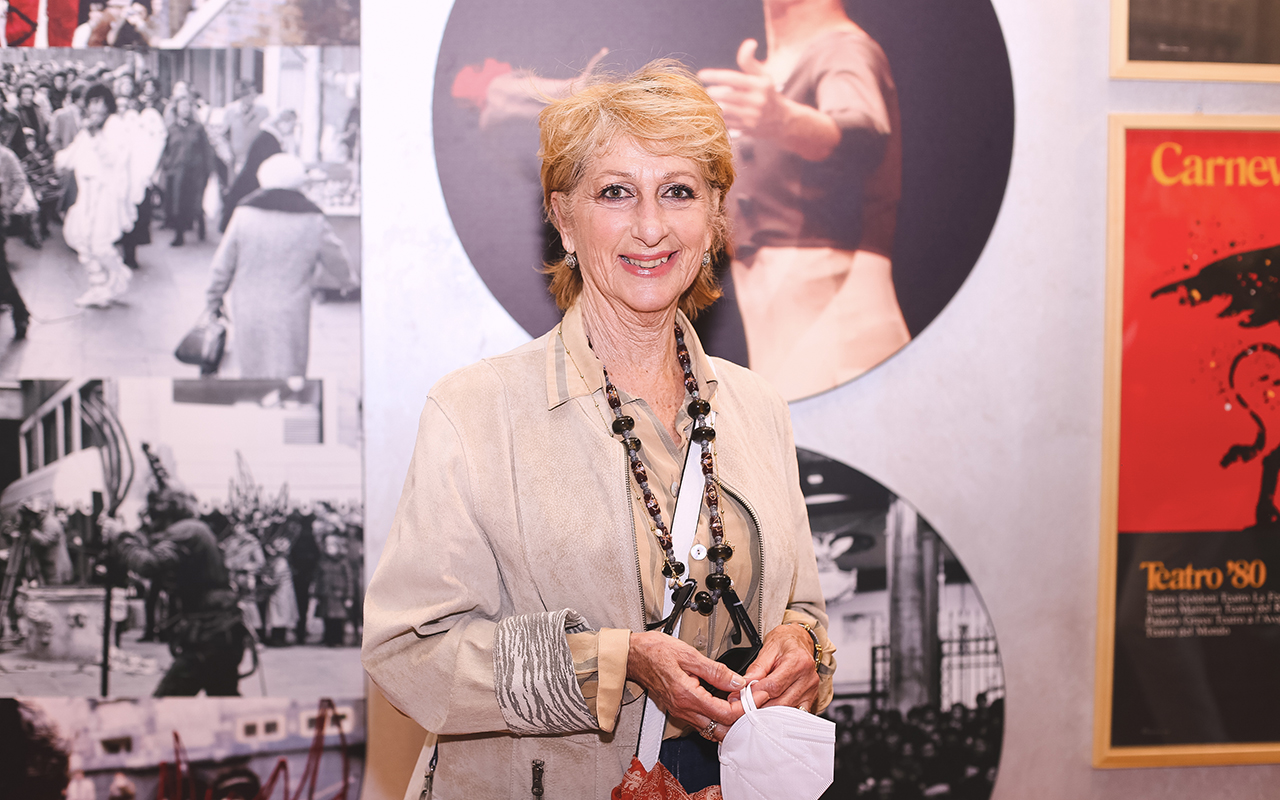
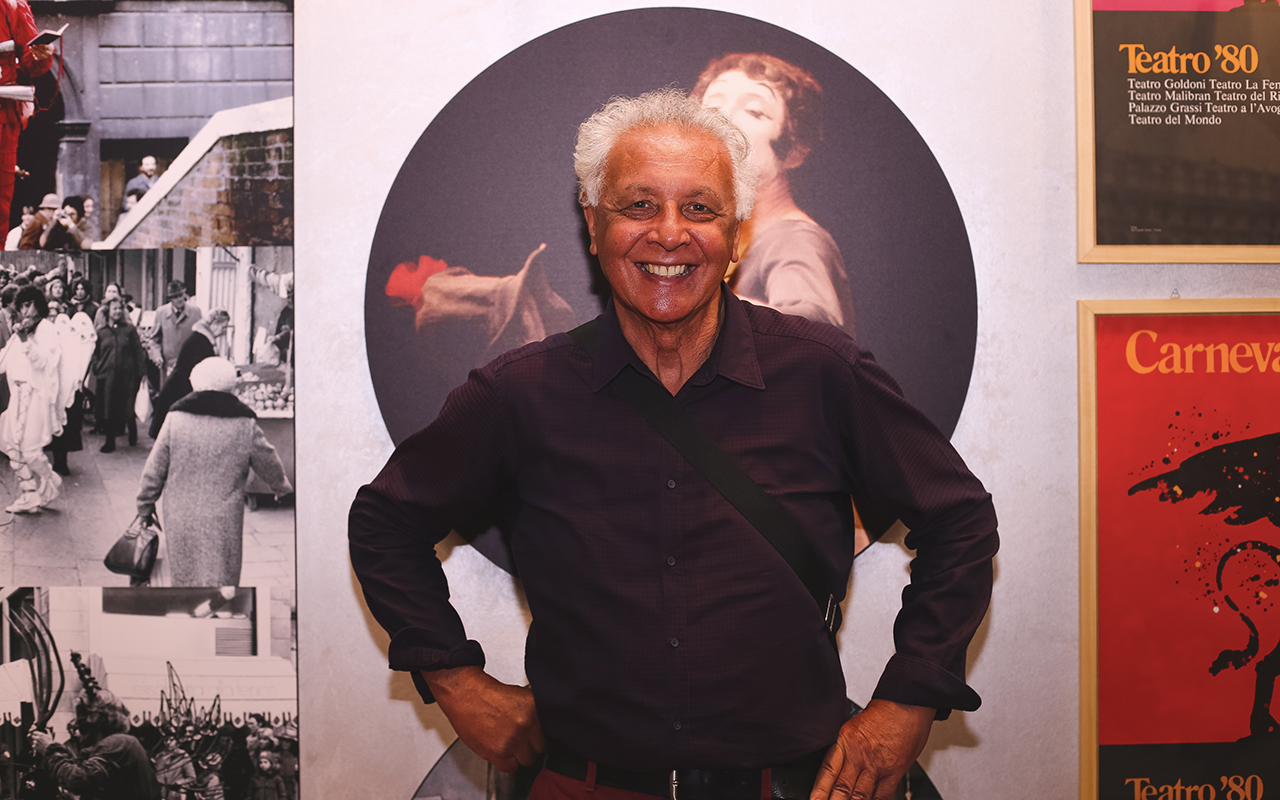
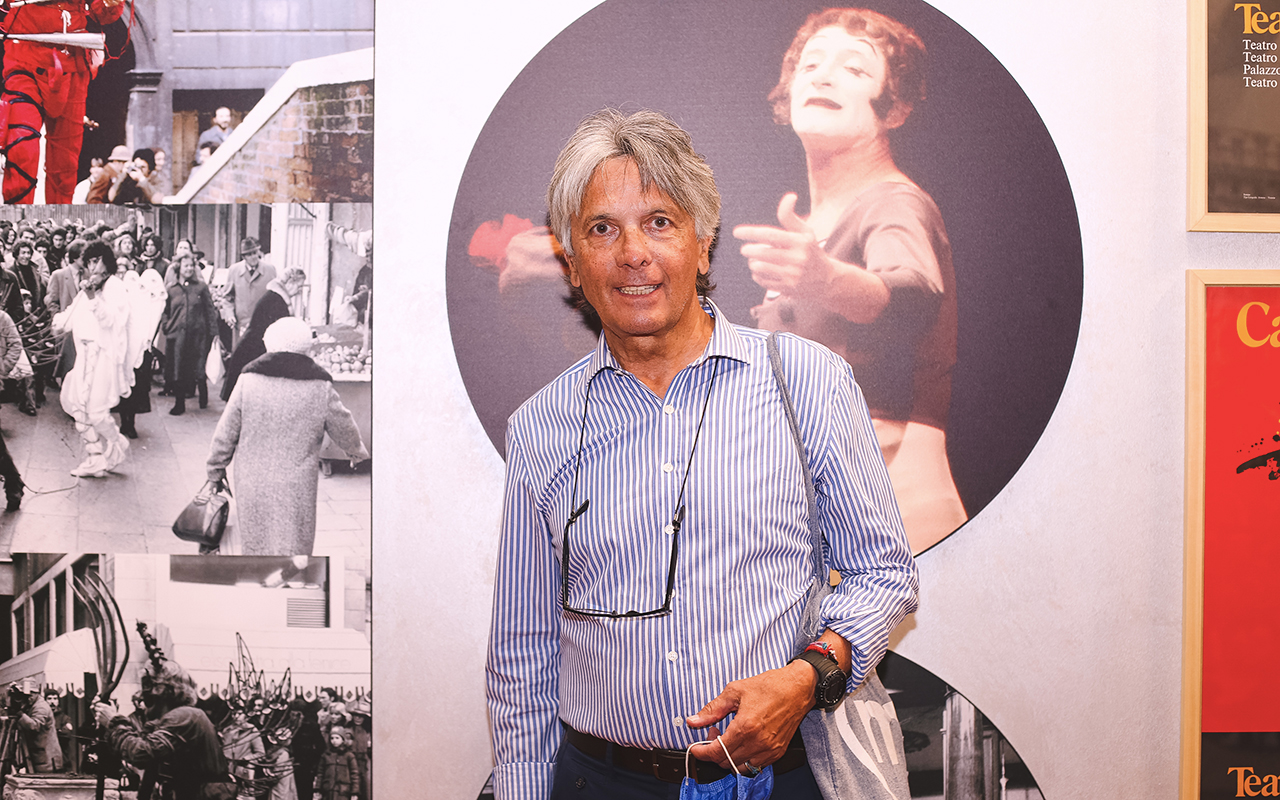
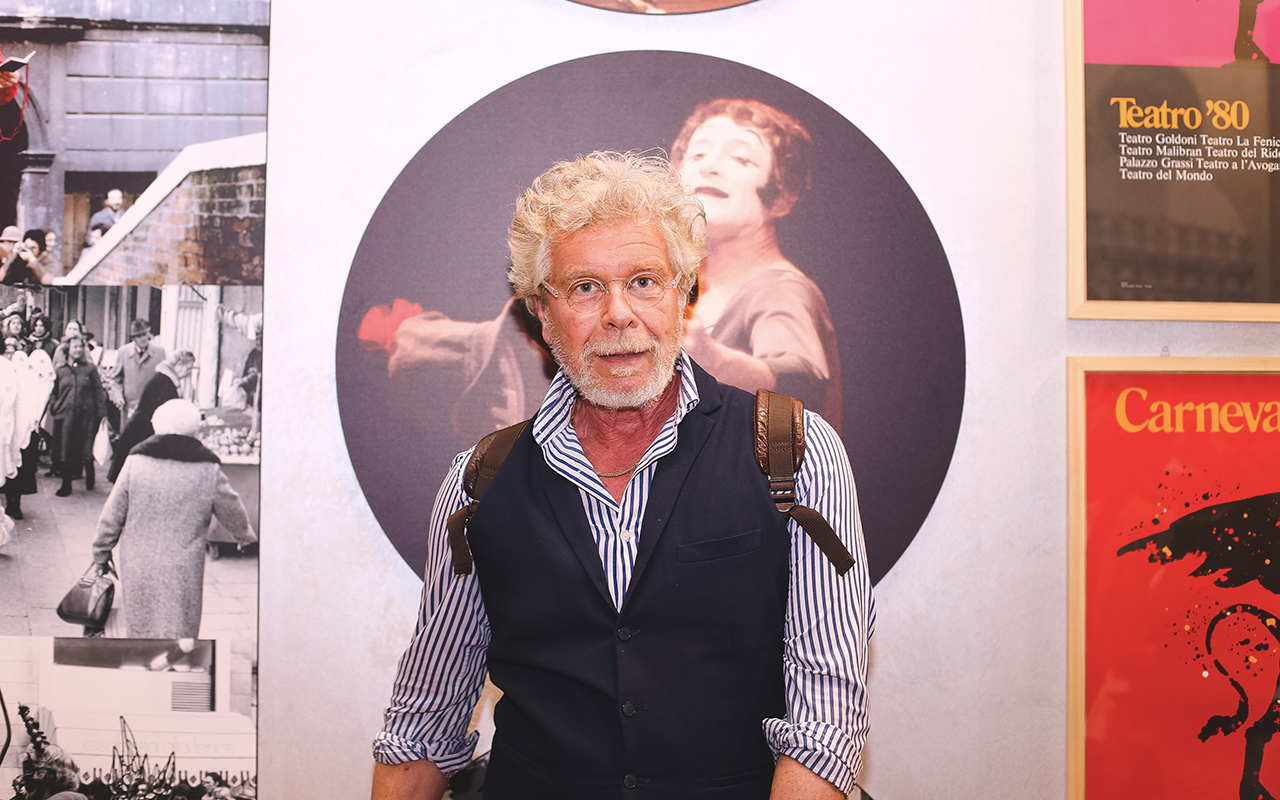
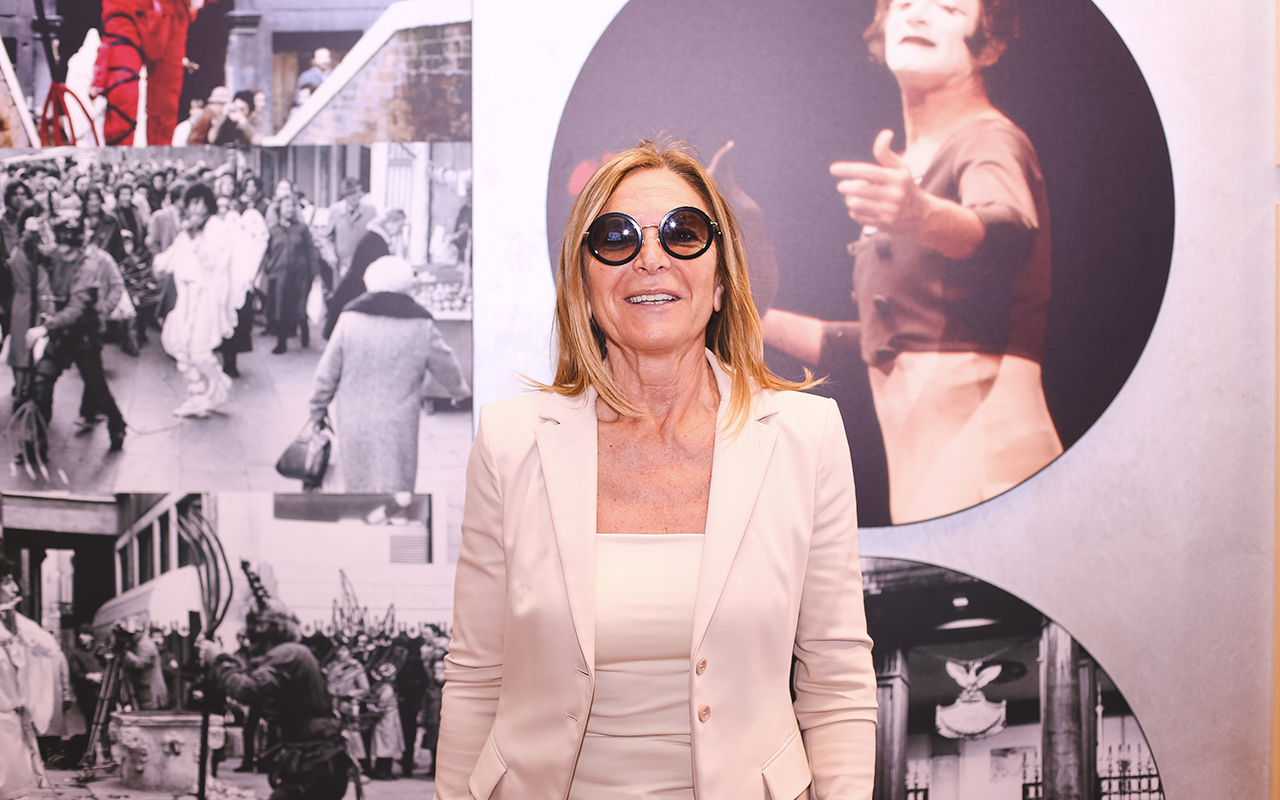
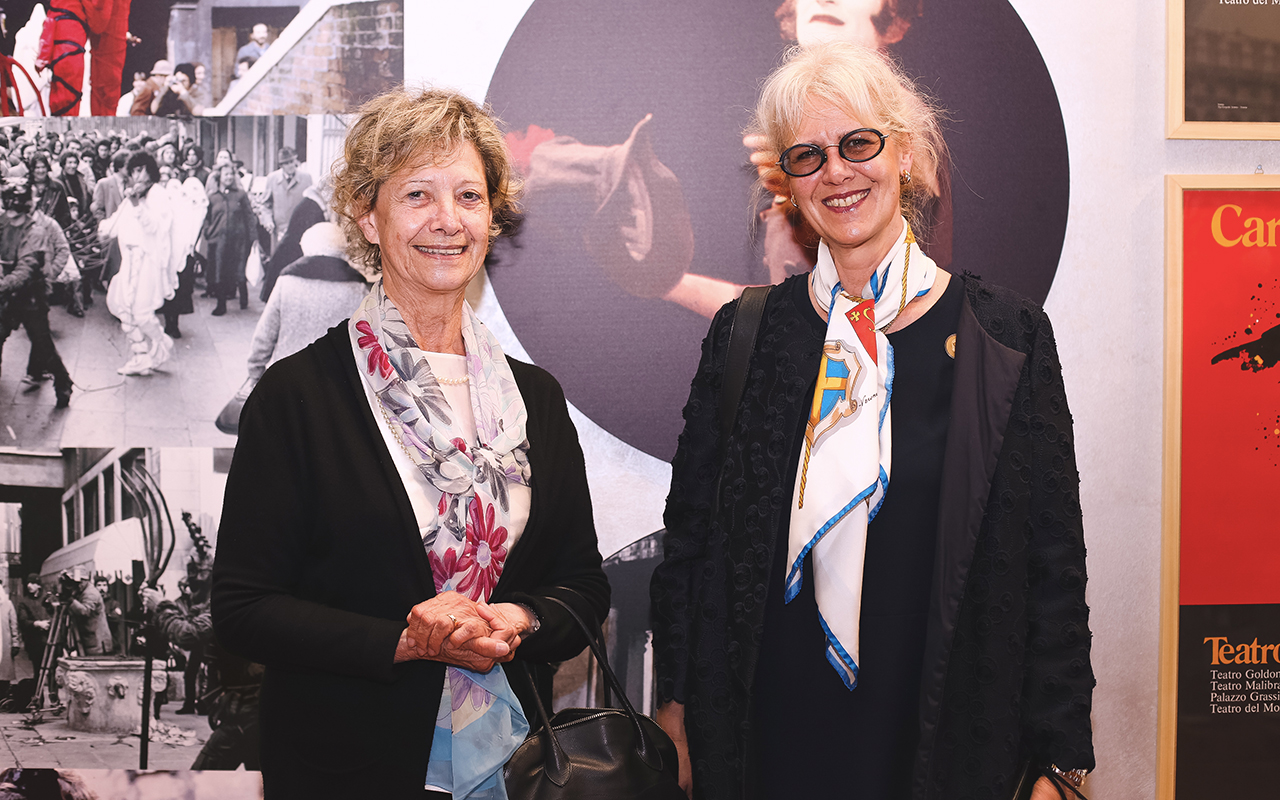
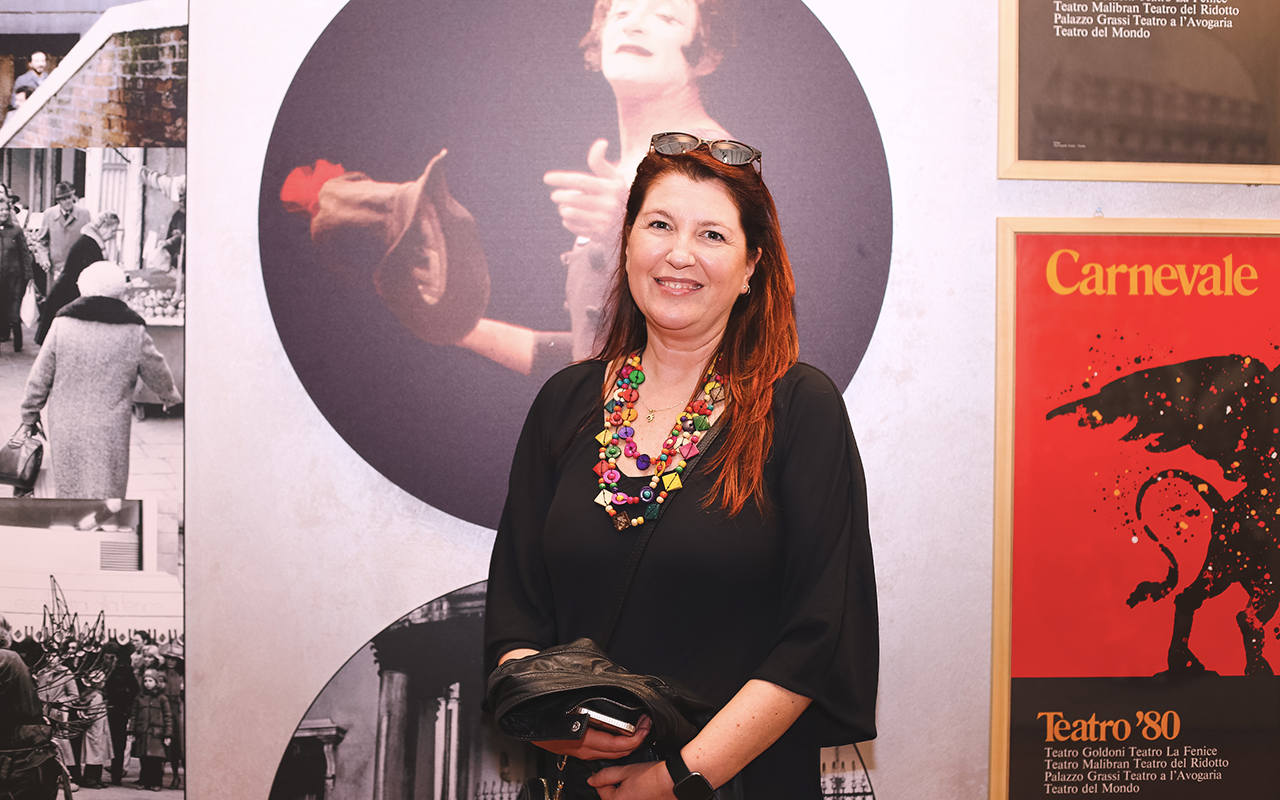
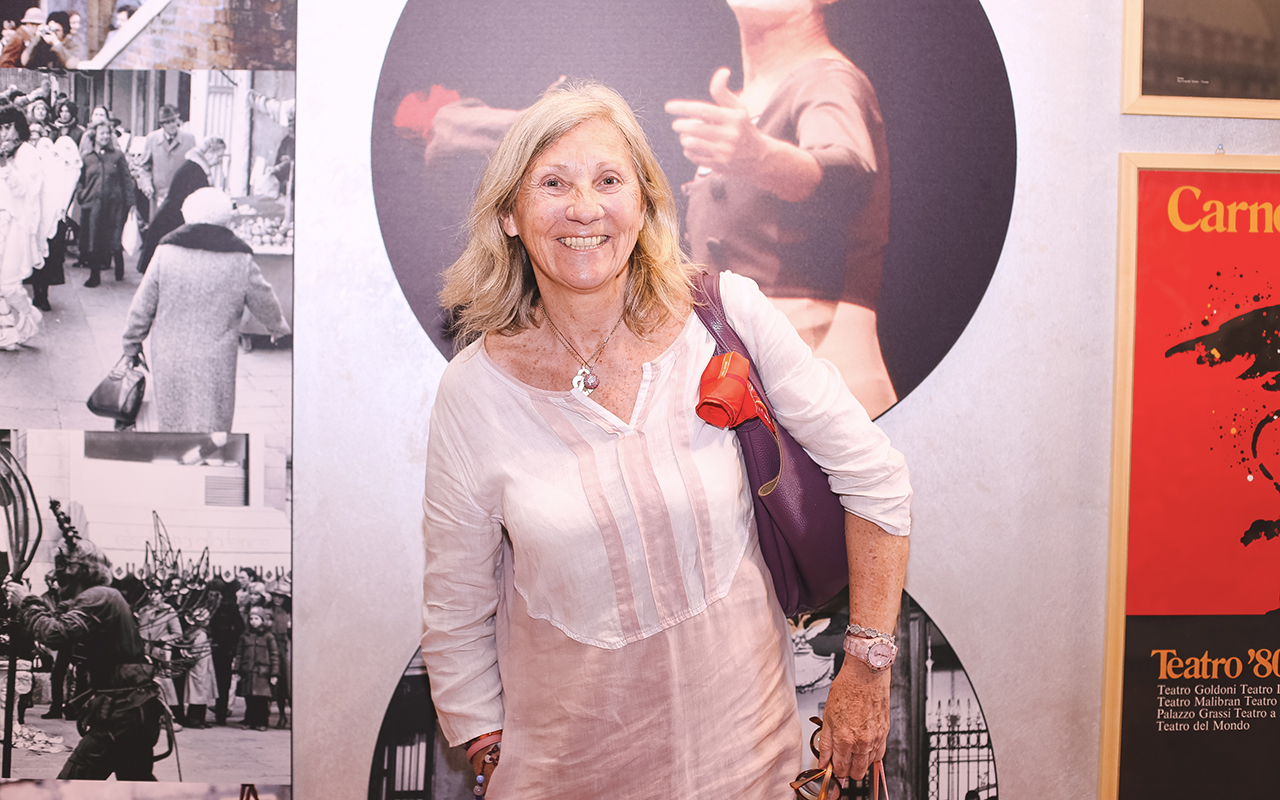
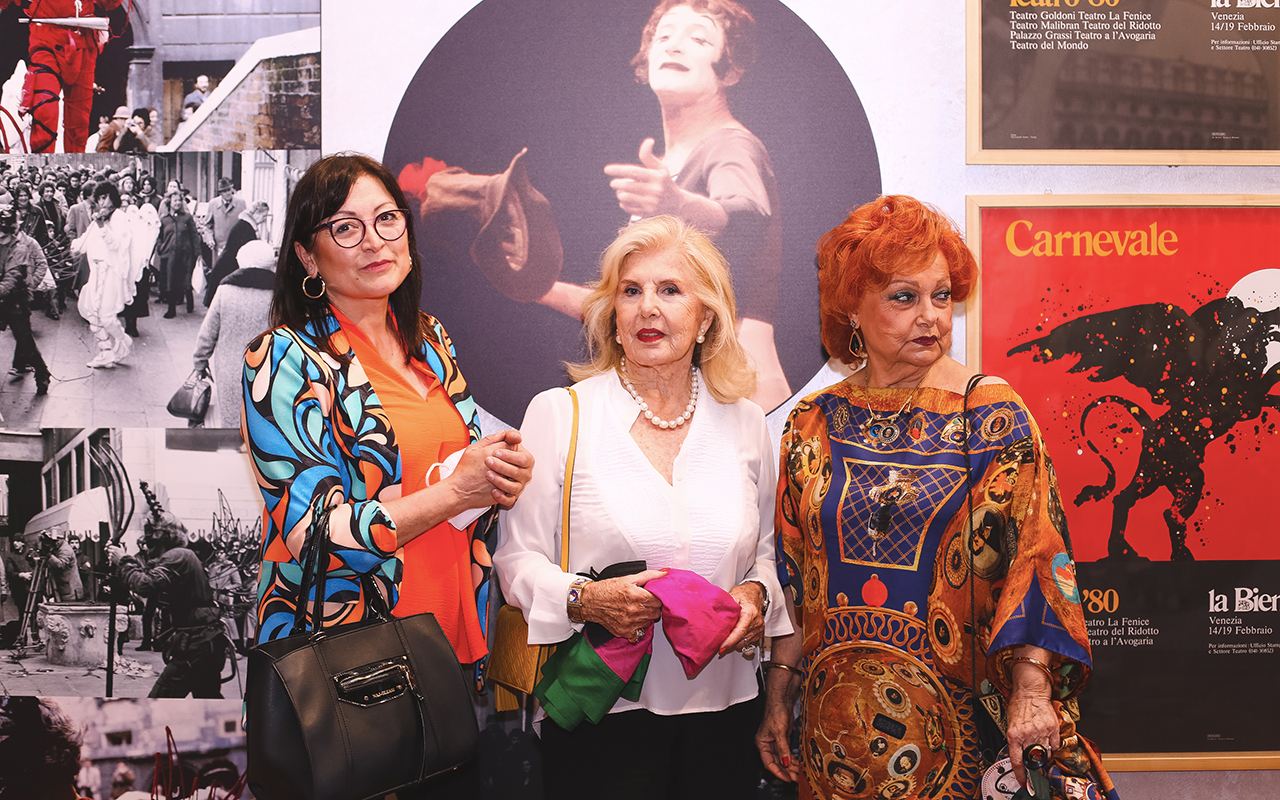

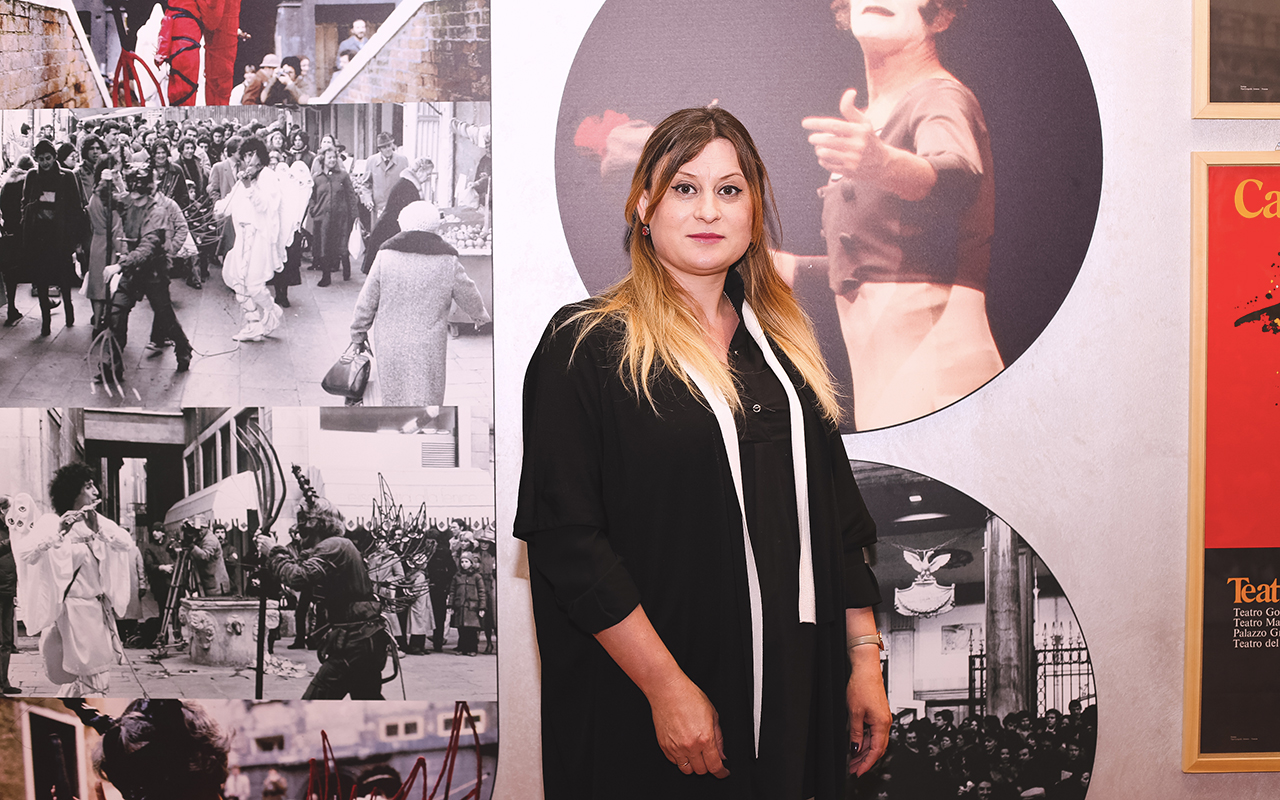
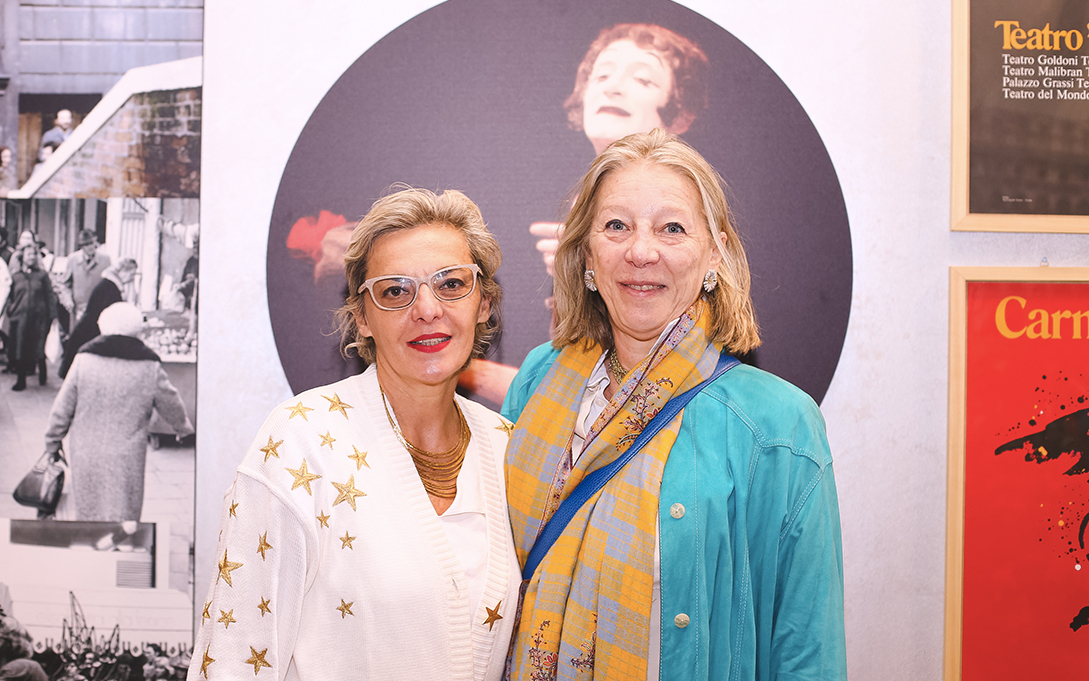
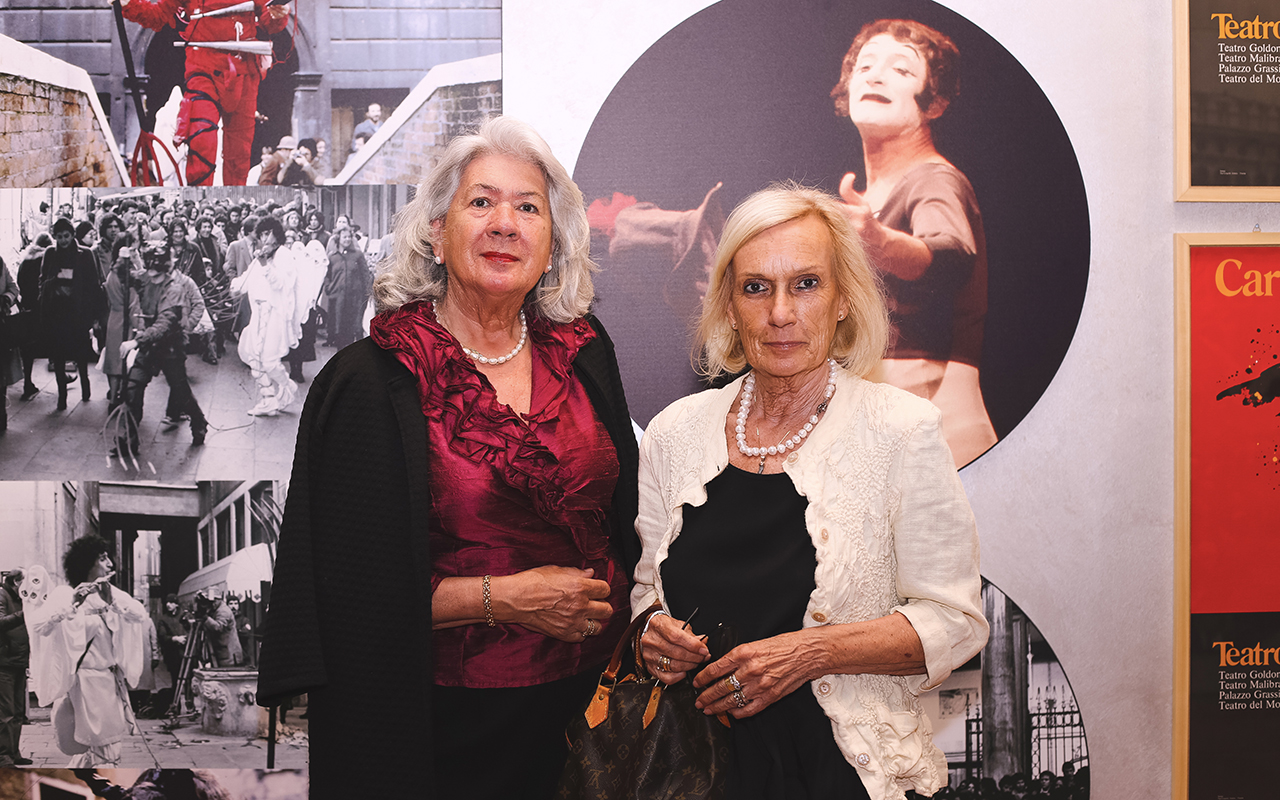
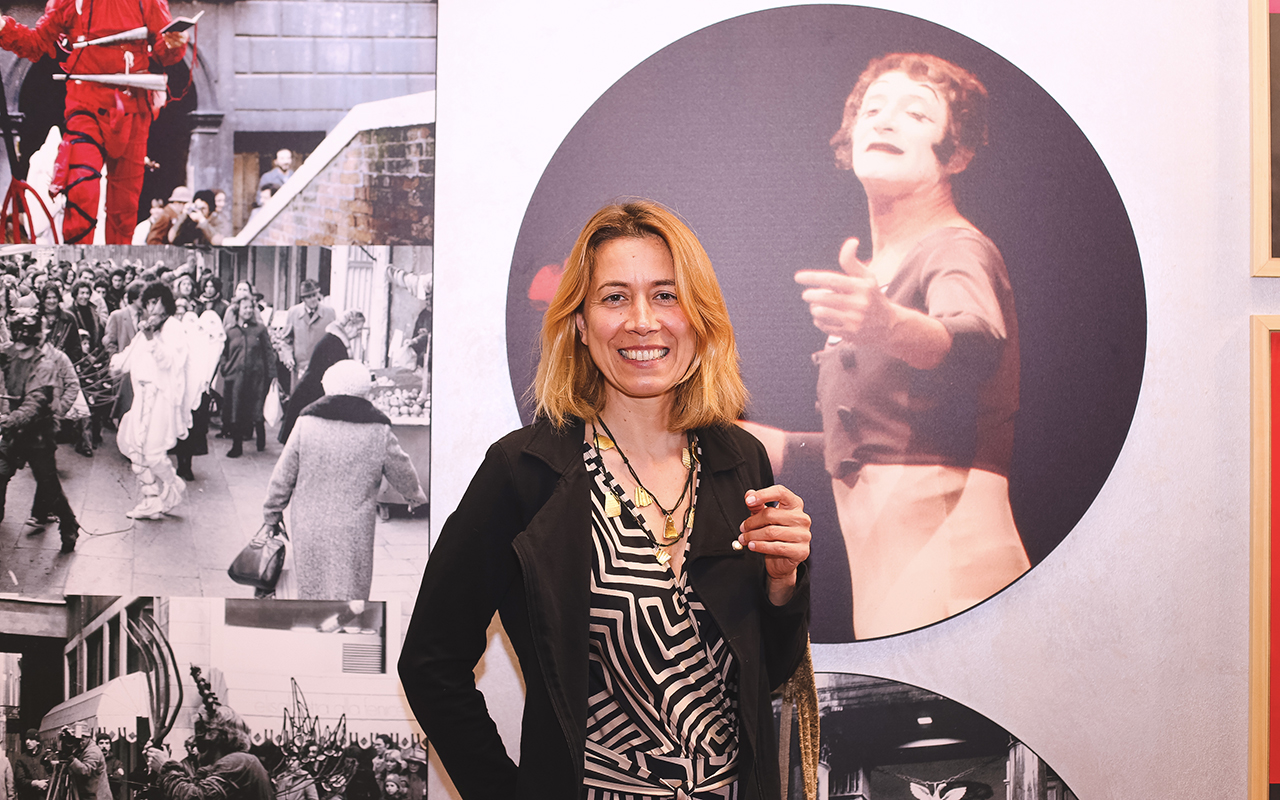
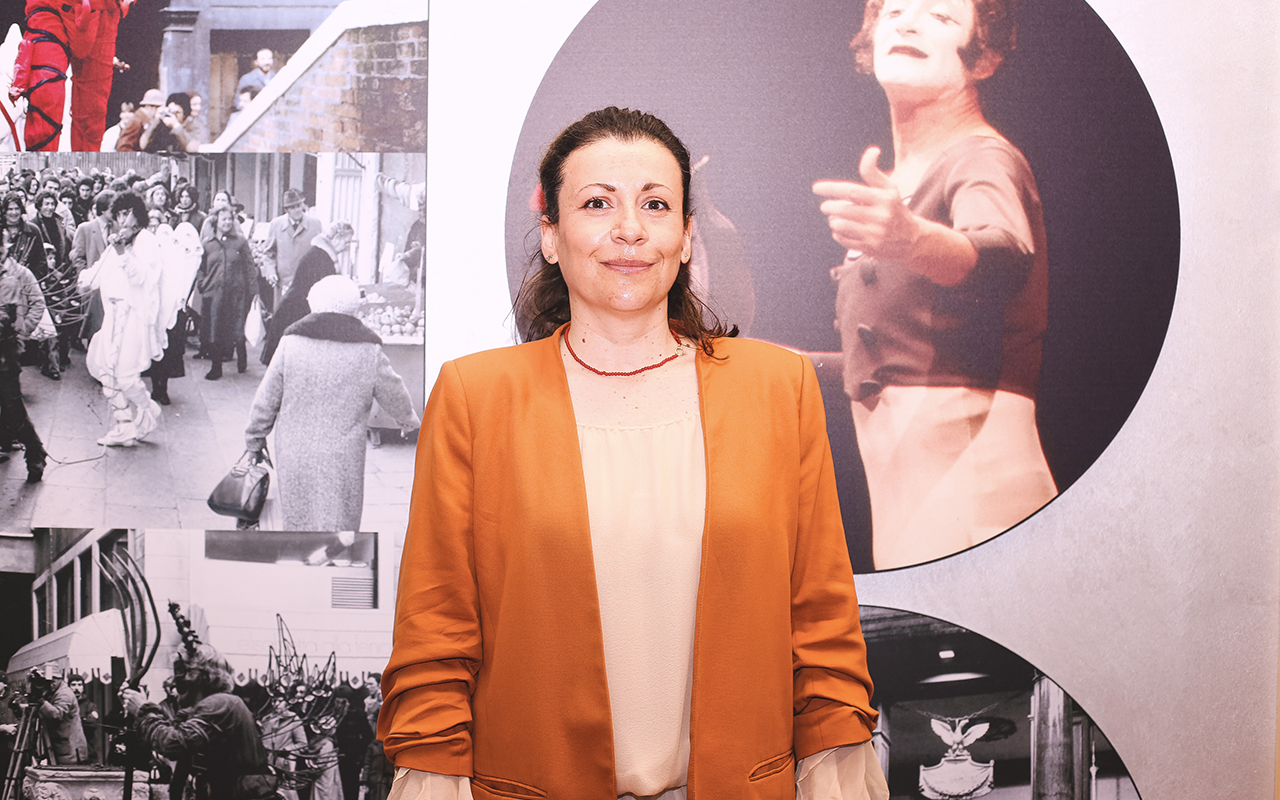
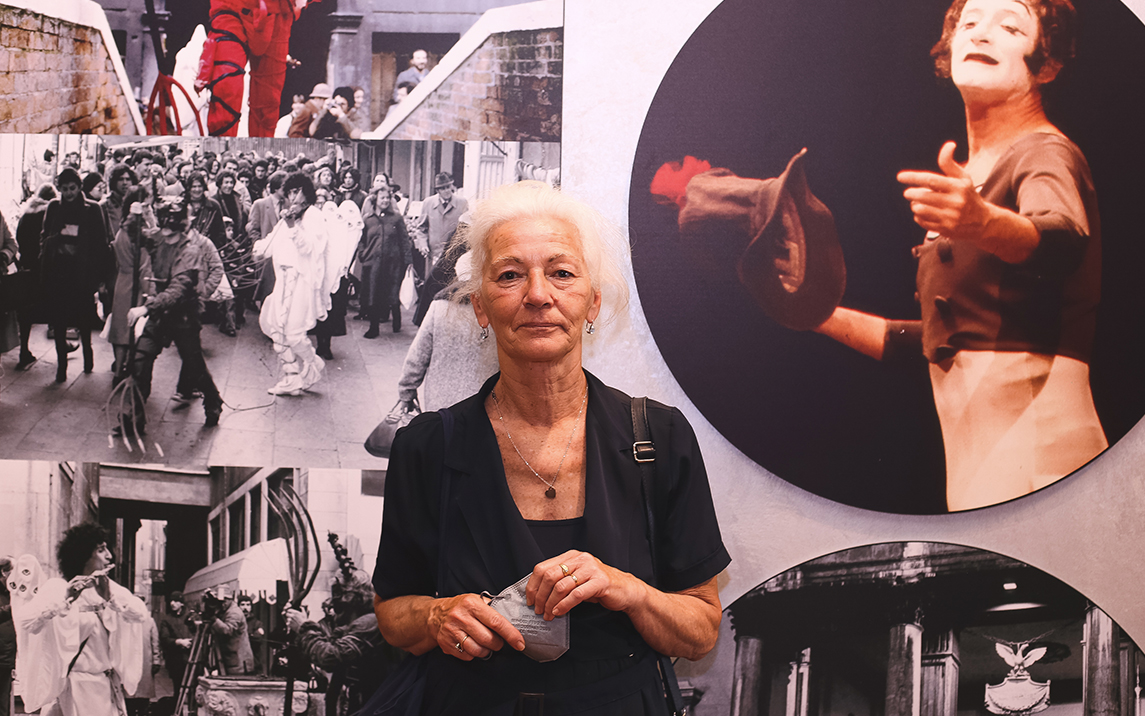
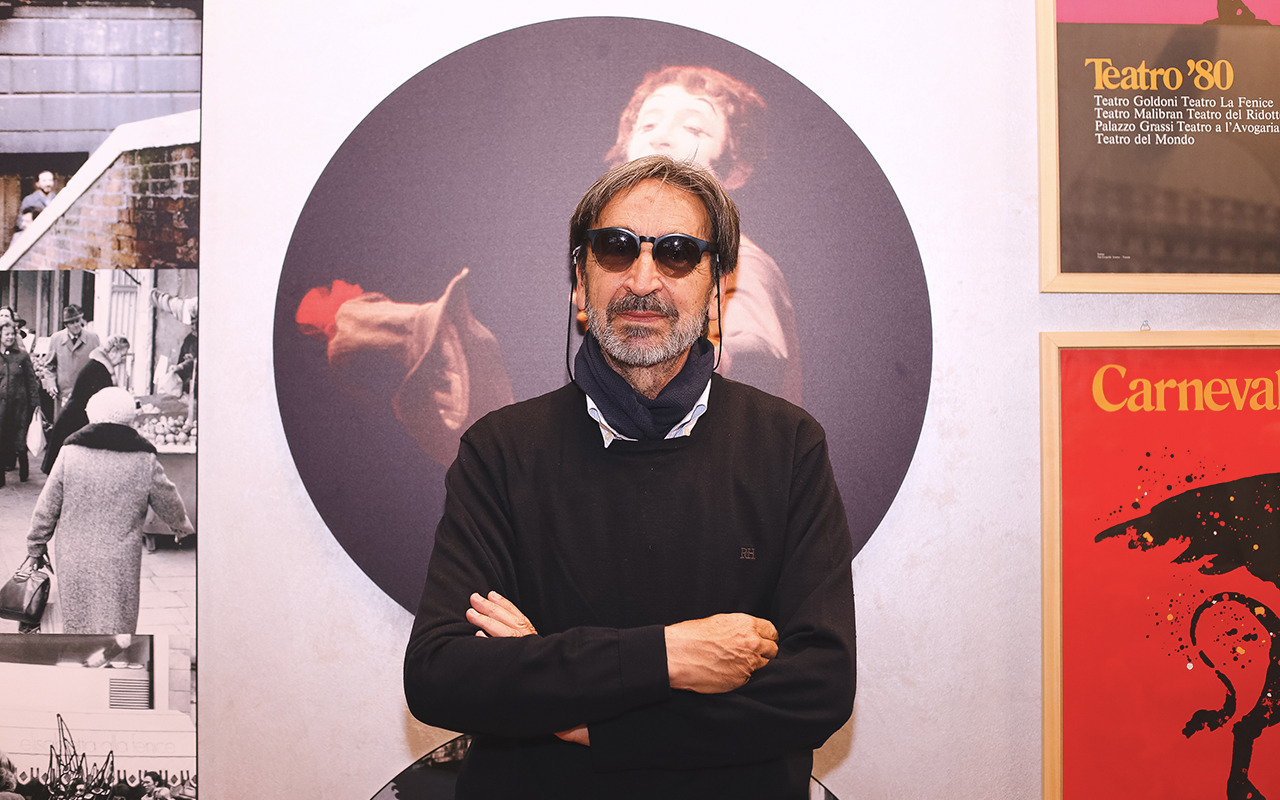
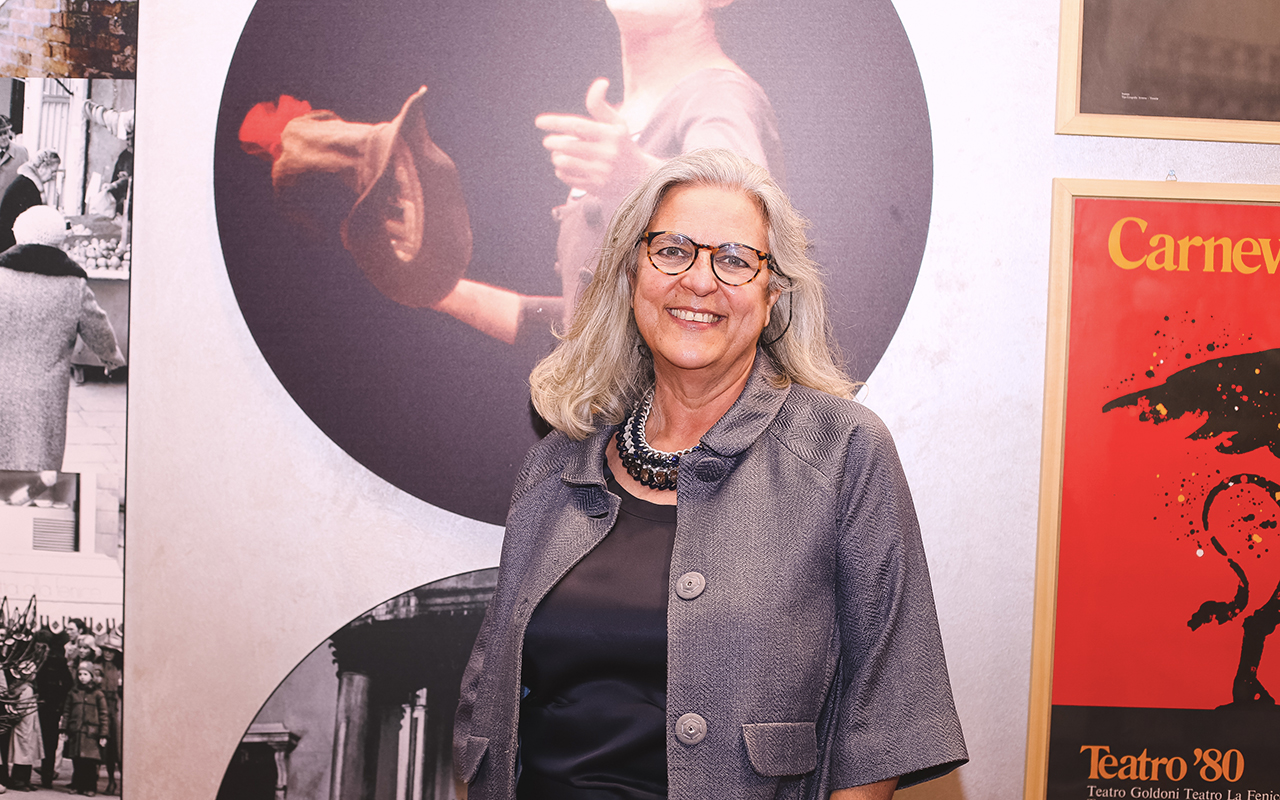
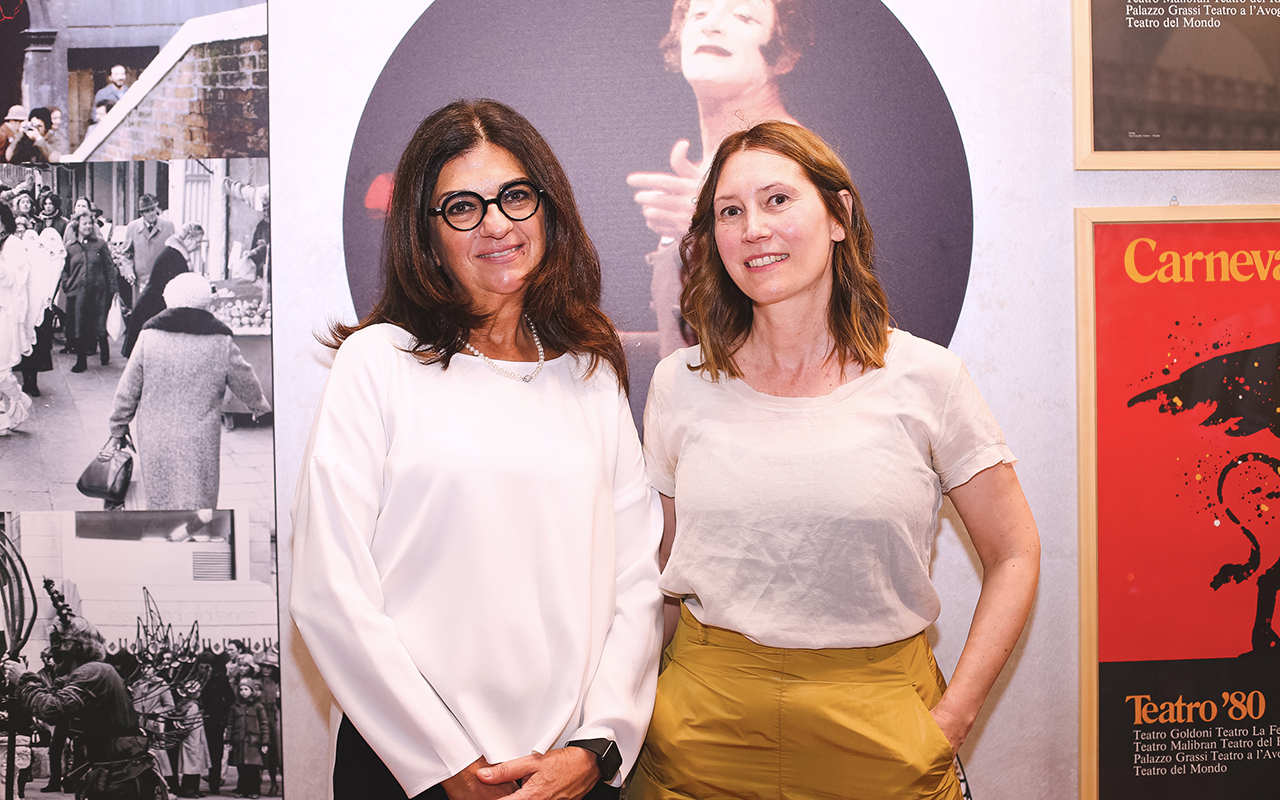
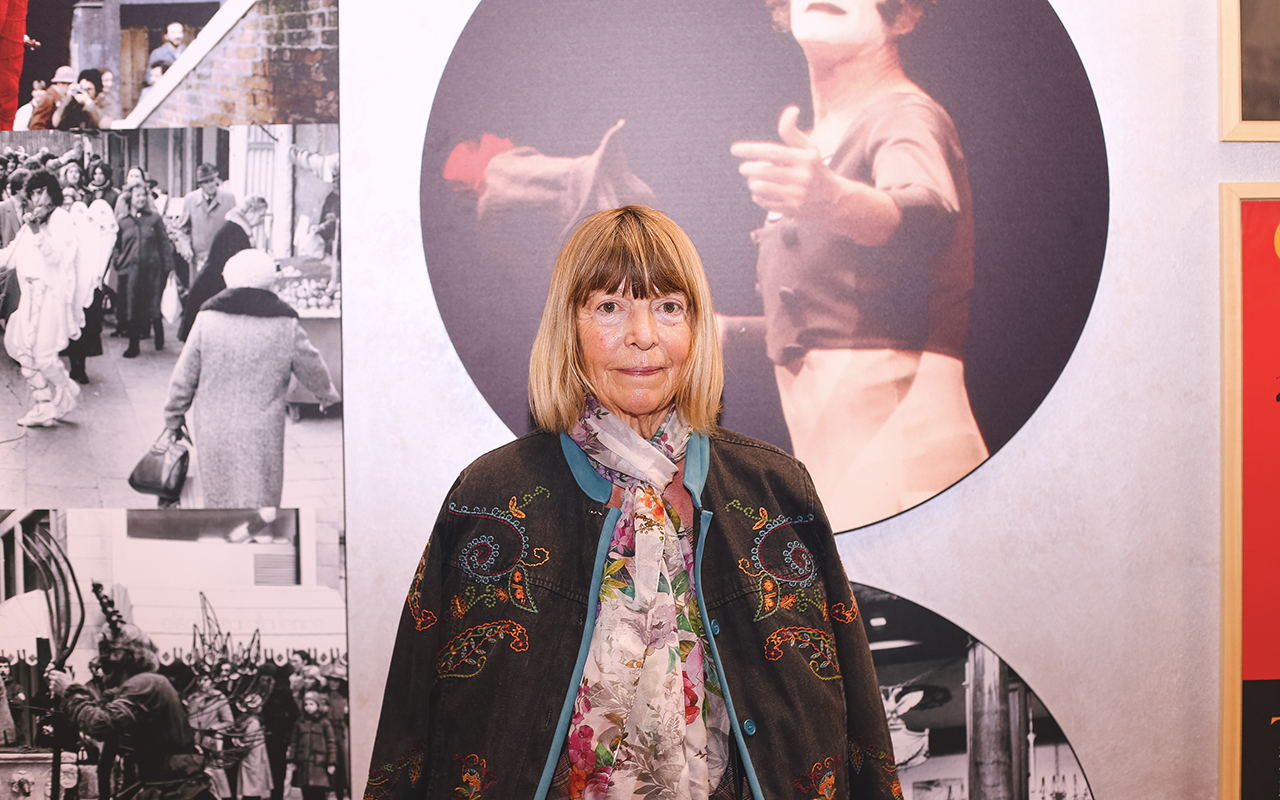
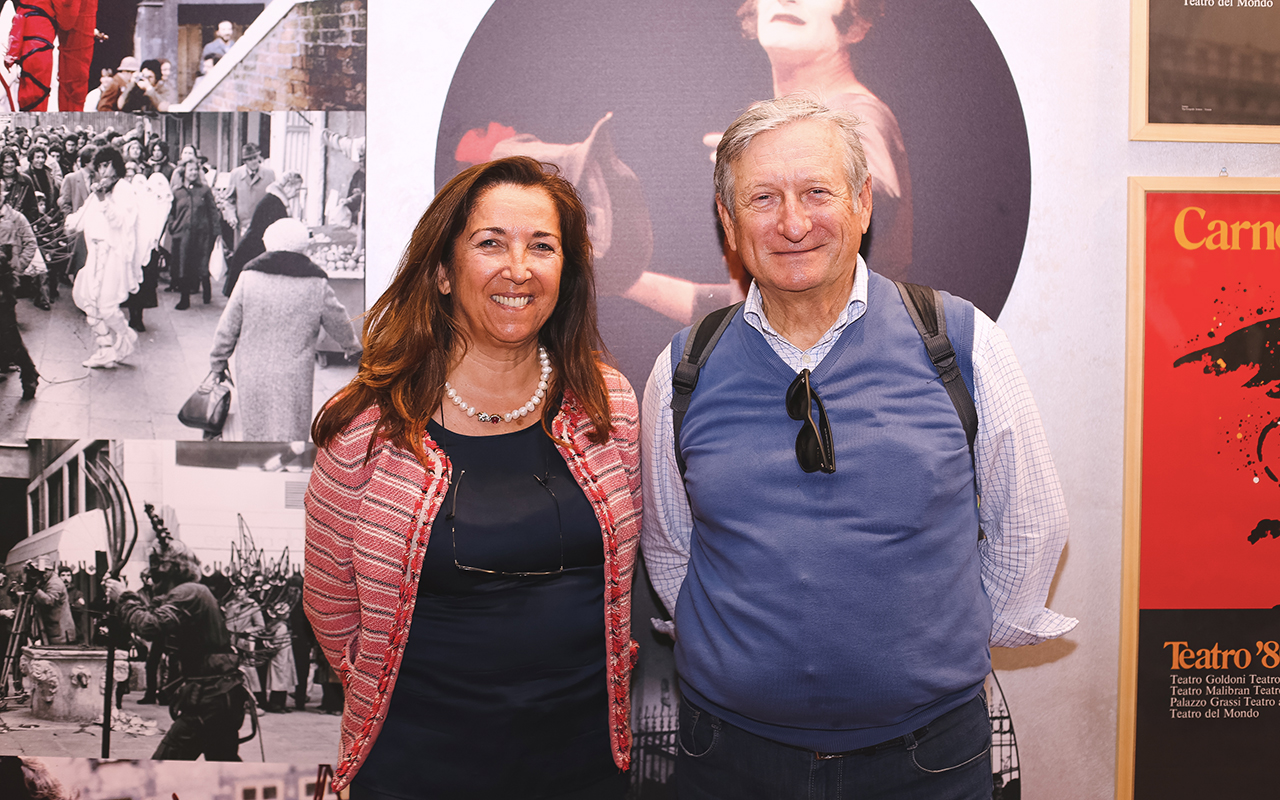
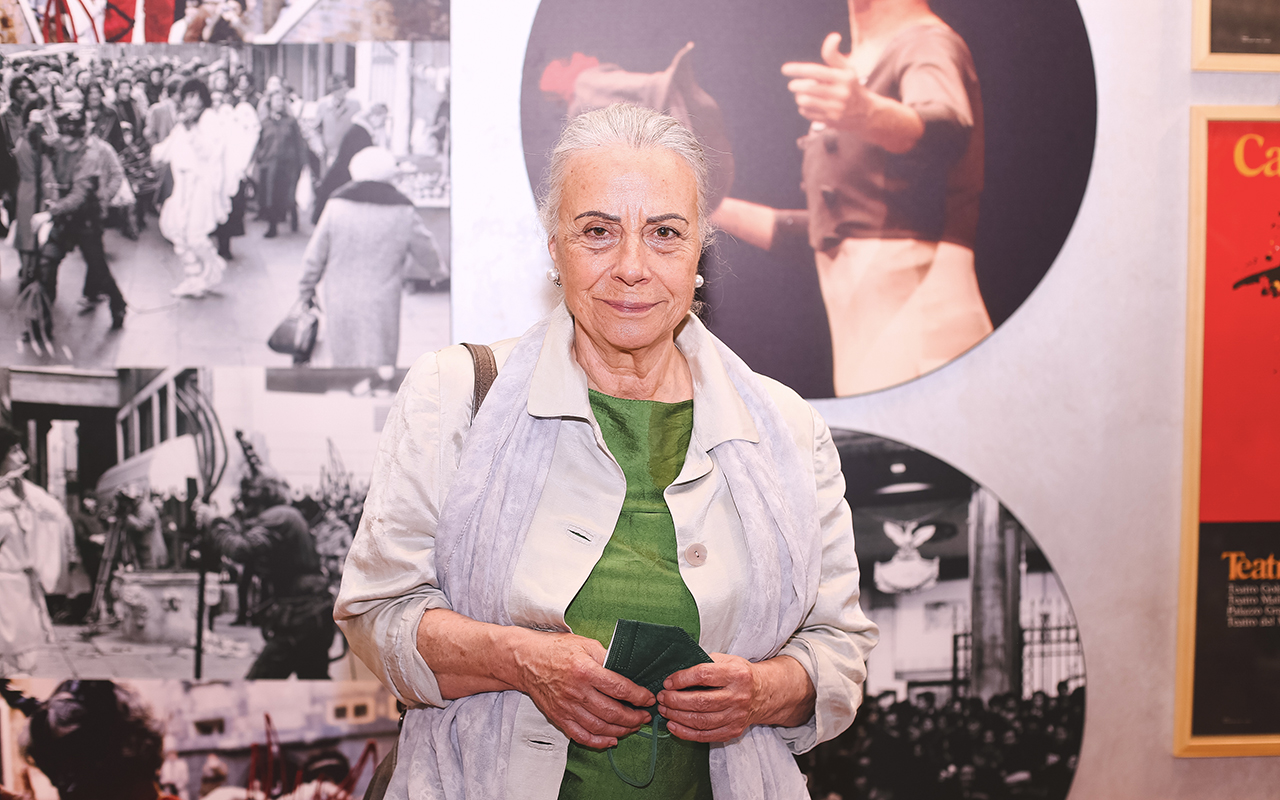
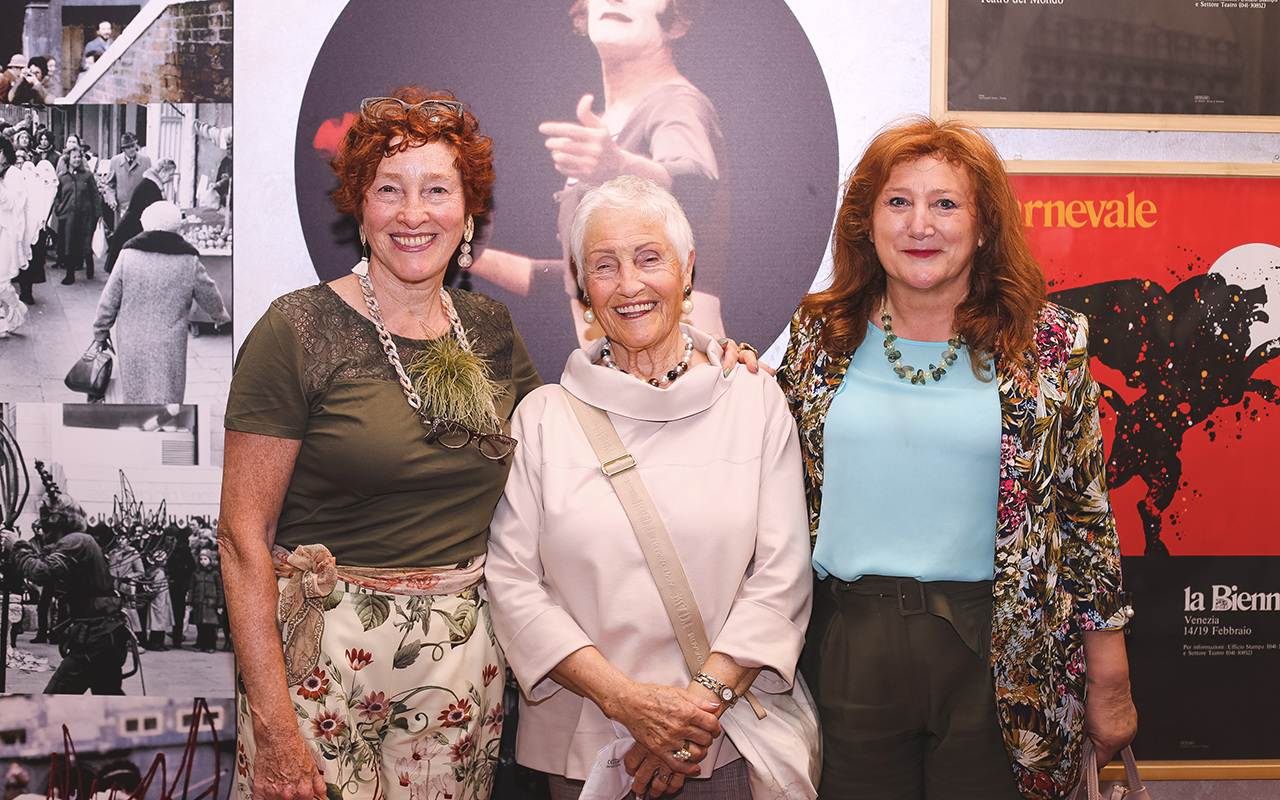
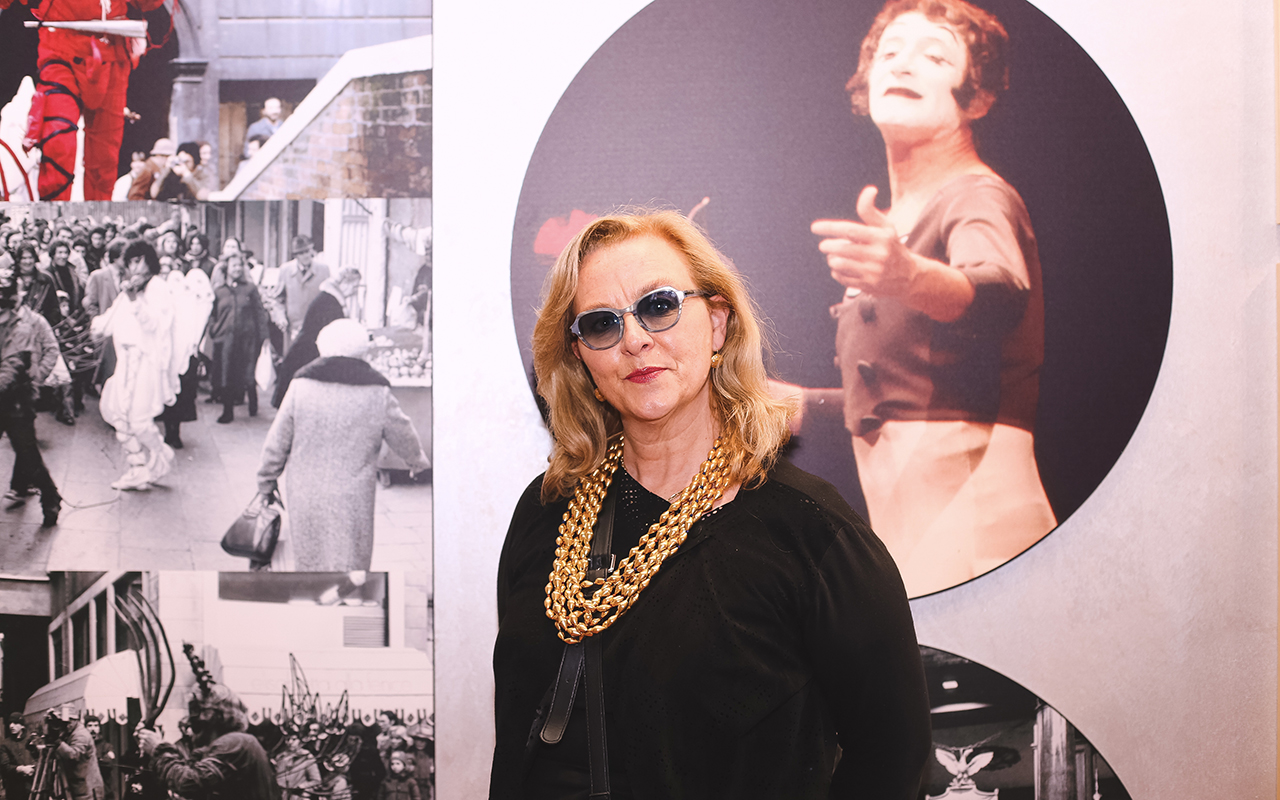
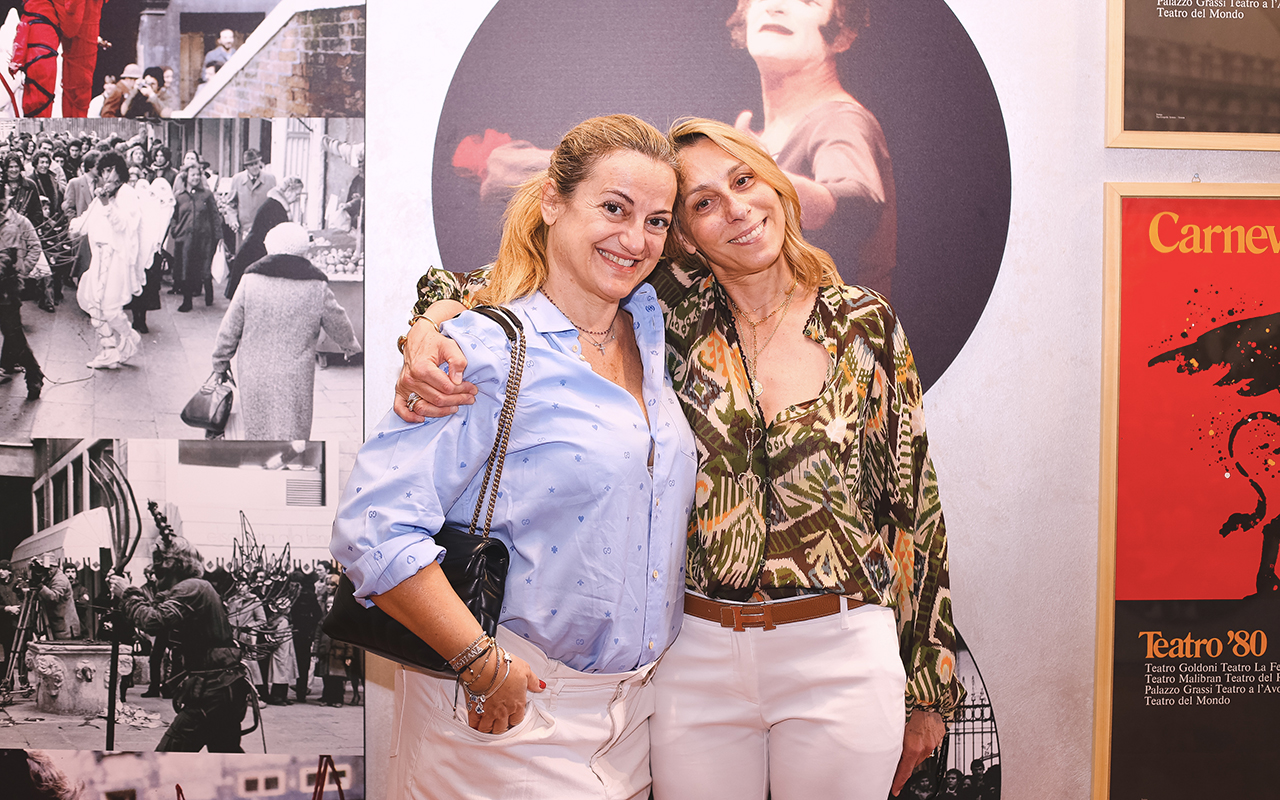
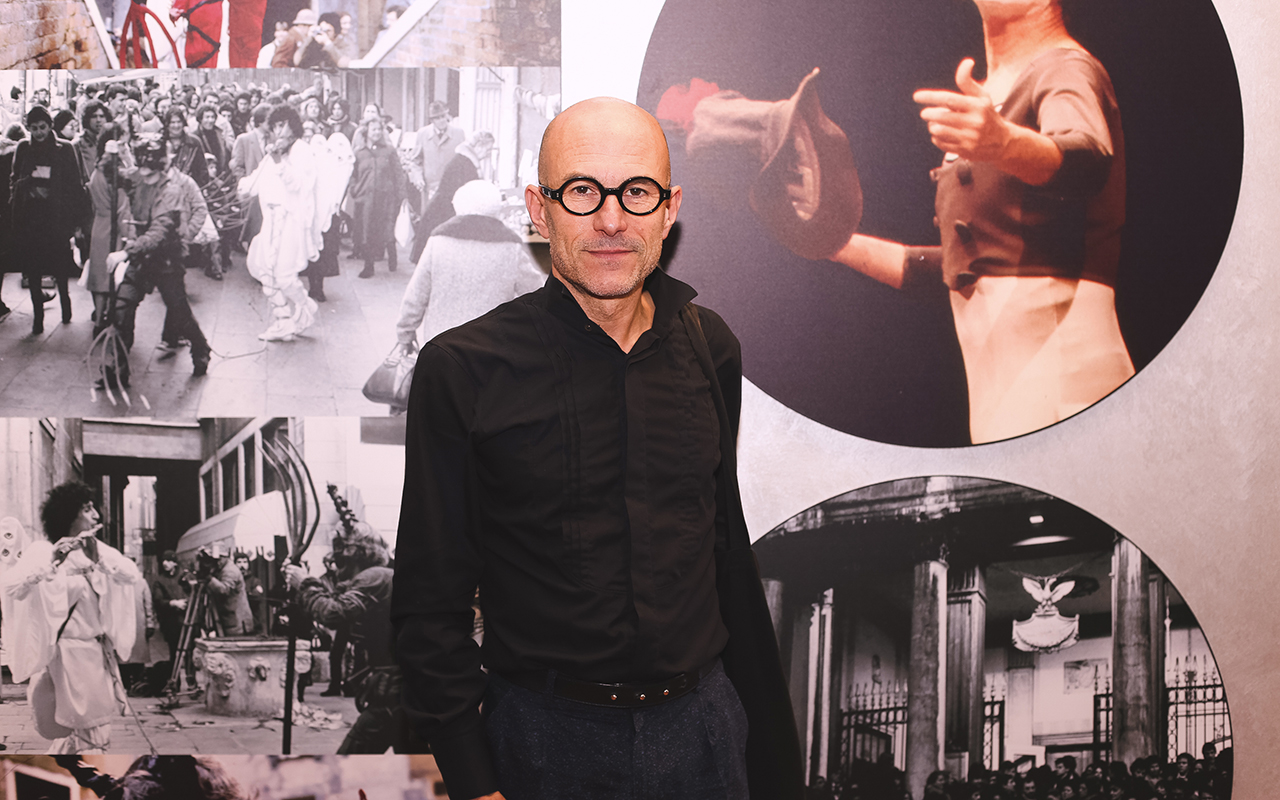
Thanks to the Biennale for hosting the event in the hall of Ca’ Giustinian, right near Luciana’s office, and for collaborating on its success. Thanks to all the friends and colleagues who came in large numbers and shared their memories and thoughts dedicated to the writer and fashion journalist, Luciana Boccardi.
The photos are by Fran Ruiz and Marta Formentello.

