
Le Corbusier’s Student Who Revolutionized Fashion Photography: The Major Exhibition of Horst P. Horst at Le Stanze della Fotografia in Venice
The first major Italian exhibition of Horst P. Horst featuring over 300 works arrives in Venice, including vintage prints, color photographs, and drawings exhibited for the first time. From February 21 to July 5, Le Stanze della Fotografia presents The Geometry of Grace, dedicated to the German photographer who learned to design with the Master of modern architecture Le Corbusier, bringing that method—precision, geometry, control of space—into fashion photography.
“His photographs of architectural elements, landscapes, still lifes, flowers, geometries, drawings, contact sheets, cuts, and final selections are all experiments devoted to seeking a balance that is not merely formal, but reflects the contradictions of contemporaneity,” explains co-curator Denis Curti, artistic director of Le Stanze della Fotografia.
“For Horst, geometry is a sophisticated game that he never stopped reinventing and reformulating in his work. Whether drawings, color or black-and-white photographs, or collages, each of his images was conceived as an architecture, an equation, a self-contained unit,” adds co-curator Anne Morin, director of Chroma Photography.
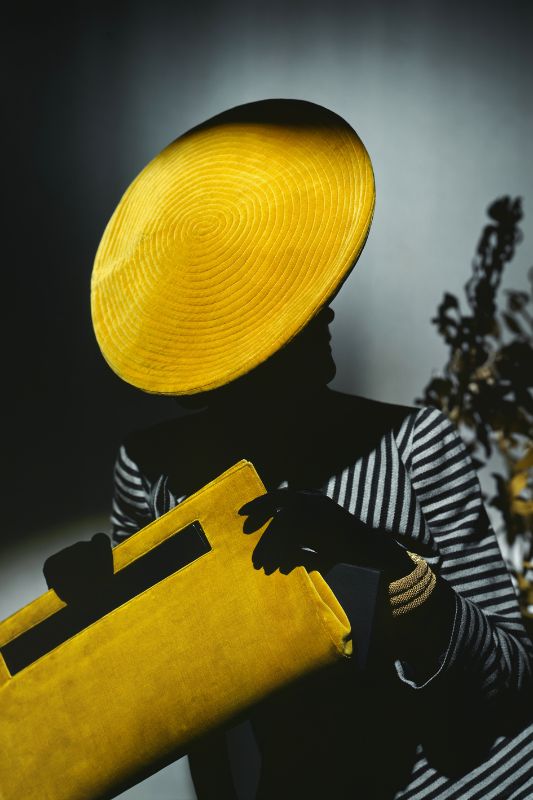
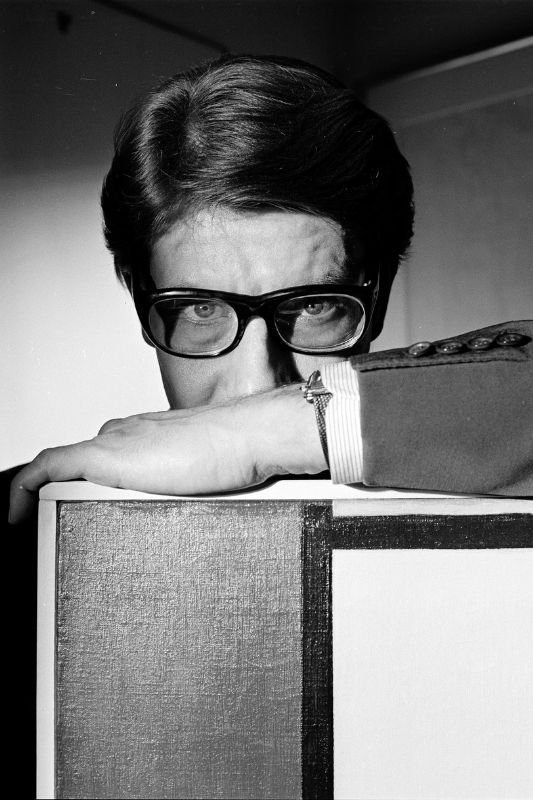
Behind the Shot: From Madonna to Dalí
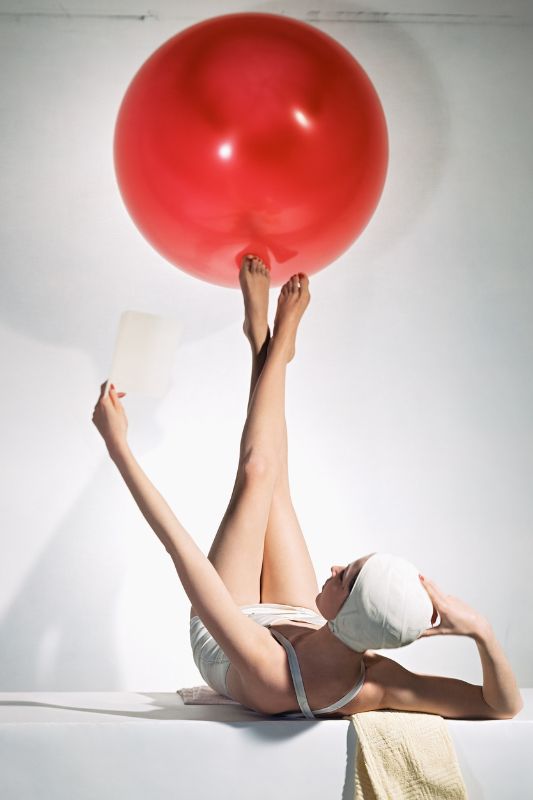
Horst P. Horst is one of the most influential photographers of the mid-20th century, a pioneer of contemporary fashion photography. His work continues to resonate today for its striking use of light, composition, and sculptural poses.
The Venice exhibition reveals how his shots were created: the story of the creative process behind each image.
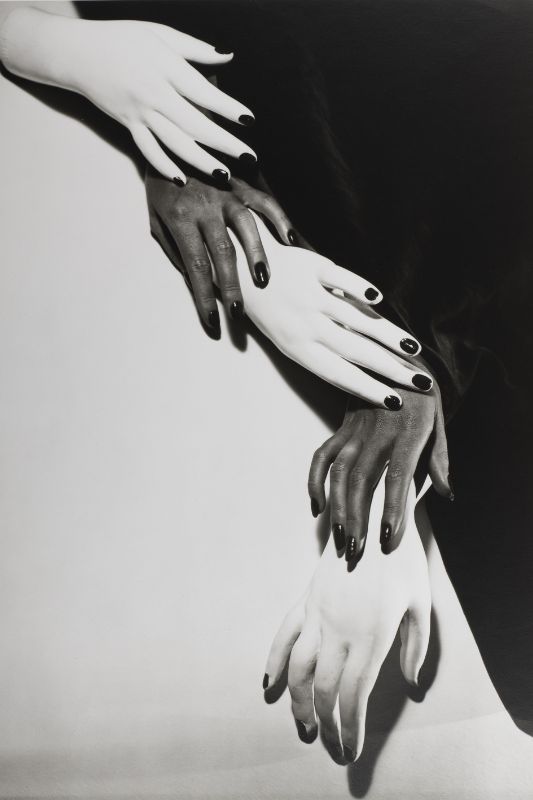
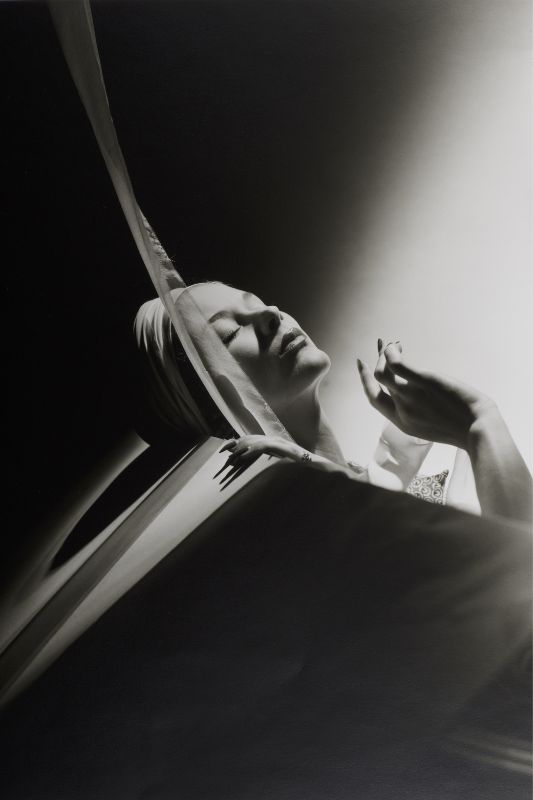
Among the photographs on display are Hands, Hands, Hands (1941), Lisa Fonssagrives with turban (1940), Electric Beauty (1939), a seated woman with an electric mask on her face, cables that seem to strangle her, beauty instruments scattered everywhere.
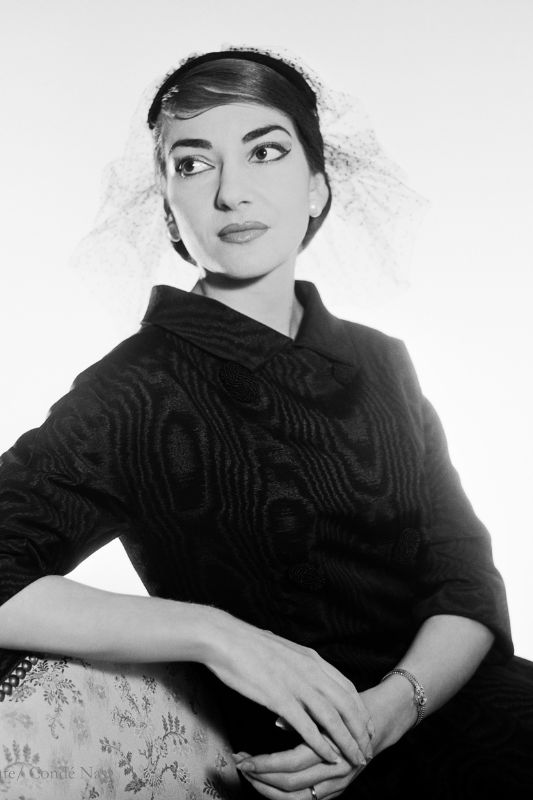
The portraits: those who invented twentieth-century fashion (Coco Chanel, Elsa Schiaparelli, Yves Saint Laurent, Karl Lagerfeld, Gianni Versace), the great Hollywood divas (Marlene Dietrich, Ingrid Bergman), the artists who changed the way we see the world (Salvador Dalí, Andy Warhol), the voice that reinvented opera (Maria Callas), the photographers who set the standard (Irving Penn, Cecil Beaton).
His most famous image remains the Mainbocher Corset, a woman seen from behind wearing an unlaced corset, her body sculpted by shadows like Greek marble. An image of sophisticated beauty and allure (1930s Paris) where the narrative of the unlacing corset becomes a metaphor for that world coming undone: Horst took it on the night in 1939 when he left Europe, shortly before the outbreak of World War II. Madonna brought it into pop culture by recreating it in 1990 in the video Vogue directed by David Fincher.
Article by Lucia Pecoraro.
Photos courtesy of Marsilio Arte.

