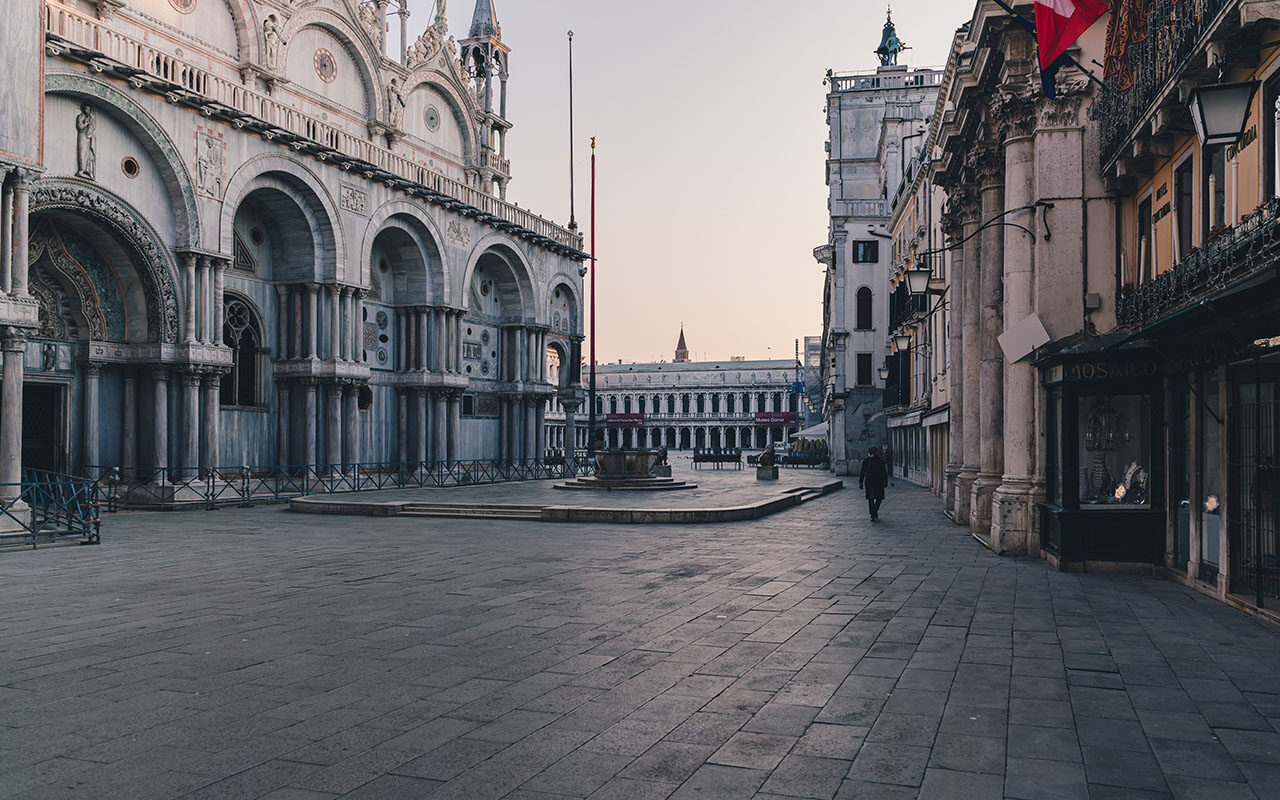
“Without people, the city cannot survive. We must repopulate Venice, we cannot simply be the custodians of the city.” Luca Massimo Barbero, Fondazione Cini, for #RiscrivereilFuturo
How do you envision Venice in the future?
We must repopulate Venice, this has been discussed for decades. We cannot simply be custodians of the city; it must return to what it was originally: a place to live and work, not only in the tourism sector. Venice was born as an island and a port. A port is not merely visited. An active port is not a place that lives off the reputation of its image and splendid ruins, but produces goods, exchanges them, is a place to return to and depart from, not a splendid showcase. And a port necessarily has a living and populated city around it.
What can politics and citizens do for a rebirth of Venice?
I want to remind you that citizens are politics, and not the other way around: this is something that must be reestablished. We must stop the continuous Venetian lament, even in simply thinking it, and fill the city with people, with young people, with productive energies.
I greatly appreciated the IUAV proposal to allocate tourist housing to students. Draconian measures on house rentals and a stop to short-term rentals. I understand that many who claim to “care” about Venice then live off income and short-term rentals, but so be it then.
Venice, paradoxically, is a wonderfully connected island and is an excellent “base” for those who want to live there while moving easily nationally and internationally. An excellent response to the chaos evident today in metropolises. And make it possible for those who wish to experience it to be able to live there even for just some time or a long period. And return to excellent hospitality for people who want to come see the life of Venice: out there, there is competition.
Propose a specific idea in at least one of these areas: environment, housing, work, culture, safety, tourism.
Venice must consider a policy of profound implementation of contemporary spaces and architecture. Social spaces, I would even dare to suggest extraordinary sports spaces distributed throughout the city, real, useful, collective, open. Furthermore, consider not only new cultural spaces with a new taste, truly removing it from the filthy eighteenth-century image in expanded polyurethane and synthetic lace with which it has been flooded like a garbage dump. New spaces made modern for businesses that bring work instead of using, and consequently population. But please, not that thing that some call incubators, the term alone makes one shudder.
Undertake a policy of tax relief for young people who intend to open small cultural and artisan activities. In short, not bringing people to Venice but bringing people to Live Venice, of every social class. (I know it is no longer fashionable to say this, but I would also be tired of hearing a term like “beautiful people.” Beautiful are those who live the city responsibly, giving it energy, love it and produce in the city. Living consequently does not only mean spending but creating circulation of life and activity).
Invest and refound places for studies, for research, for collective work in Marghera, which is not on Mars and connected by water would be very accessible and enormous in spaces. Create a contemporary life of Venice even outside the island, some cultural, artistic activities, in short, even “entertainment” which seems to be associated exclusively with noise and instead is part of real, living cities. Young people have the right to have fun, and not only them. All this, however, is linked to the will and number of inhabitants and to the conditions that politics can create so that people still choose Venice as a place to live.
Without people, the city does not survive and becomes mummified. And for people to return to Venice, contemporary spaces, architecture, services, and attitudes are needed. We are accustomed to walking in beauty, but we must deserve it and understand it and nourish it every day.
Luca Massimo Barbero, Director of the Institute of Art History at the Fondazione Cini in Venice.
For the #RiscrivereilFuturo di Venezia project, Venezia da Vivere and Associazione Piazza San Marco interviewed entrepreneurs, curators, directors of cultural institutions, university rectors and professors, hoteliers, event organizers, and citizens who live and work in Venice. An open debate with the citizenry to give birth to an idea of a city in balance with the environment, work, and its civitas.
Read all the interviews
The photos are by Settimo Cannatella, @seventhsoul, for Venezia da Vivere.
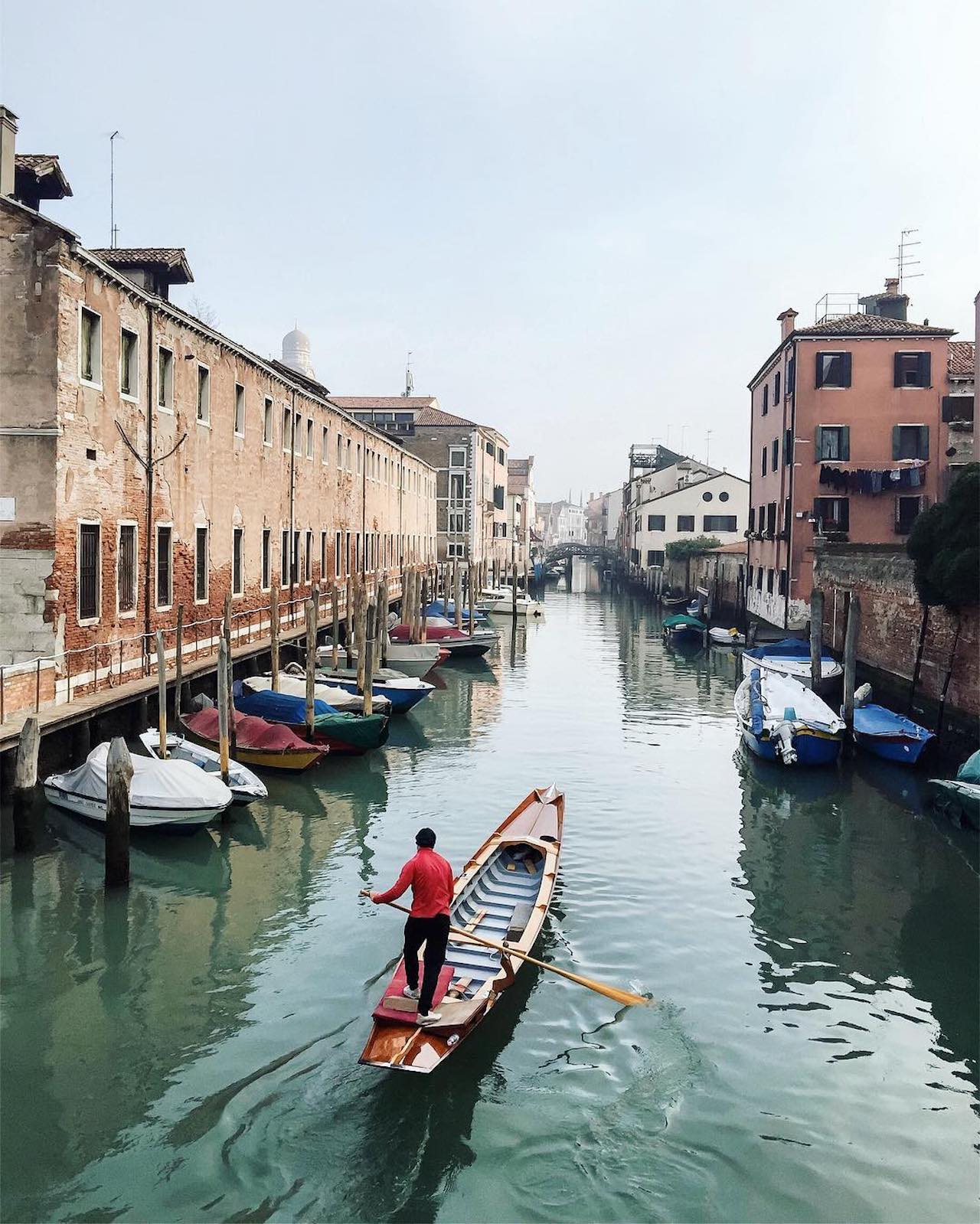

How do you envision Venice in the future?
Read all the interviews on:
www.veneziadavivere.com
www.associazionepiazzasanmarco.it
Facebook @sanmarcopiazza
Facebook @veneziadavivereofficial
Instagram @veneziadavivere
Instagram @sanmarcopiazza

