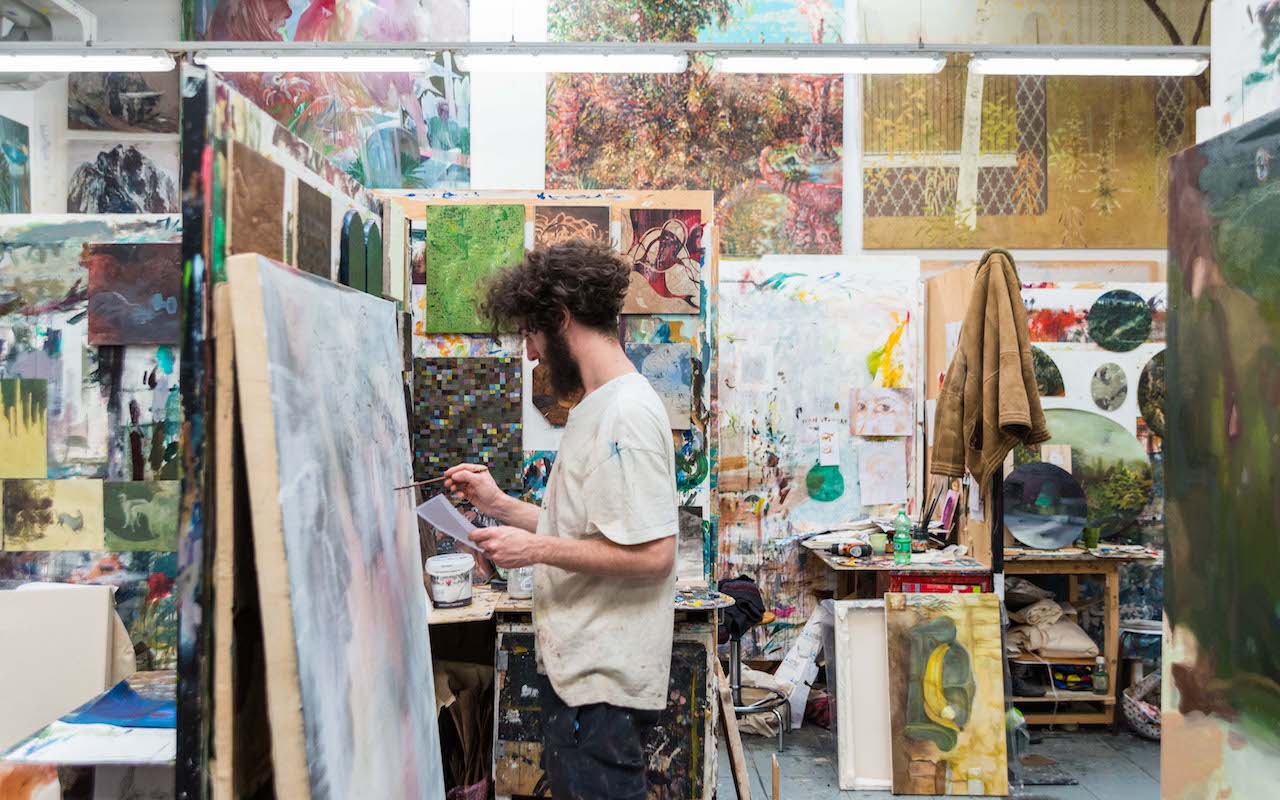
Recovery of quality craftsmanship, expansion of the student and faculty population, tax relief for business activities: Fabio Moretti, President of the Academy of Fine Arts, for #RiscrivereilFuturo
For the project #RiscrivereilFuturo di Venezia, Venezia da Vivere and the Associazione Piazza San Marco have interviewed entrepreneurs, curators, museum directors, university rectors, hoteliers, event organizers, and citizens who live and work in Venice. An open debate with the community to foster an idea of a city in balance with the environment, work, and its civitas.
We interviewed Attorney Fabio Moretti, President of the Venice Academy of Fine Arts. How do you imagine Venice in the future?
I hope the Venice of the future will be a city open to visitors, as has always been the case throughout its thousand-year history, but also a place where sustainable and “gentle” activities can be developed. A city that repopulates by attracting new inhabitants and avoids the path of tourism monoculture, which has fostered situations hostile to residents and has recently demonstrated its own serious limitations.
I am thinking of the recovery of quality craftsmanship, the expansion of the student and faculty population living in the city, and the support to be given to qualified cultural initiatives rather than mass events for which Venice is not suited.
A change in mentality will be essential, necessary for the city’s survival, and I hope we are ready for it. Venice could become an extraordinary laboratory for how, following a disaster, a course that proved to be wrong can be reversed.
What can policy-makers and citizens do for a rebirth of Venice?
Policy-makers should implement tax relief measures for those wishing to conduct business in Venice and incentives for property owners to lease to residents, especially young families, rather than tourists. Citizens should do the same, giving up, at least in part, the easy but city-lethal positional rents of the past to encourage new residency.
I am also thinking of a sort of international competition of ideas sponsored by the government that would involve the world’s best minds to give concrete substance to the often-evoked Special Statute, which is yet to be fully envisioned and achieved.
Propose a specific idea in at least one of these areas: environment, residency, work, culture, safety, tourism.
Travelers in the near future will only want to travel if the safety conditions of their destination are such as to guarantee a stay without fear, and particularly without the risk of being infected by this (or any other) virus.
I would therefore rule out that, even if permitted, large gatherings of people with high levels of proximity and mingling could attract visitors to Venice. Restaurateurs, hoteliers, and tourism operators must therefore implement all the rules that will be identified and that we already partially know: masks, gloves, hygiene, distancing, sanitization of environments, etc.
I think, then, that perhaps the city of Venice should establish a serious and independent structure to monitor the operations of those welcoming tourists and ensure that those who visit will be in a place where such safety measures are strictly respected. A structure equipped with inspectors and enforcement powers, a sort of health quality certification authority at the service of the traveler and the tourism industry, for a “virus-free” Venice. This might allow for a faster, more conscious, moderate, and ethical recovery of tourism, which must, however, still leave room for other initiatives and economic realities for the city.
Attorney Fabio Moretti, President of the Venice Academy of Fine Arts.
Read all interviews


How do you imagine Venice in the future?
Read all interviews on:
www.veneziadavivere.com
www.associazionepiazzasanmarco.it
Facebook @sanmarcopiazza
Facebook @veneziadavivereofficial
Instagram @veneziadavivere
Instagram @sanmarcopiazza

