Discover the Venice Biennale OFF exhibitions, itineraries beyond the Art Biennale
Monumental sculptures, enhanced archives, home galleries, feminist practices, and street art interventions. The second guide to Venice Biennale OFF.
- The Dreamer
Fondazione Querini Stampalia
from May 5, 2026
Santa Maria Formosa, Castello 5252, Venice
Hours: Tuesday to Sunday, 10:00 AM – 6:00 PM
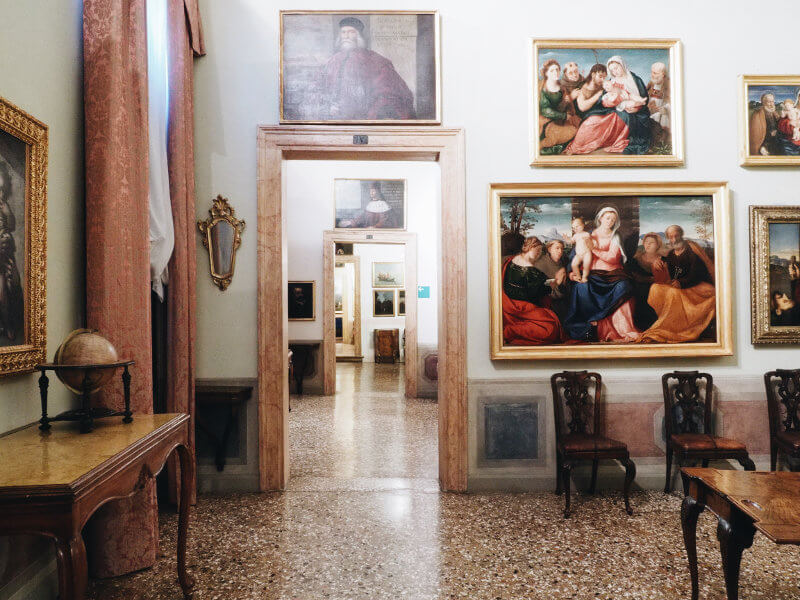
At Fondazione Querini Stampalia, a new exhibition reinterprets the historic collection through the dreams and passions of Giovanni Querini Stampalia, the visionary who in 1869 donated his palace, art collection, and library to the community. Continue reading…
- Barry X Ball. The Shape of Time
May 6 – November 22
Basilica di San Giorgio Maggiore
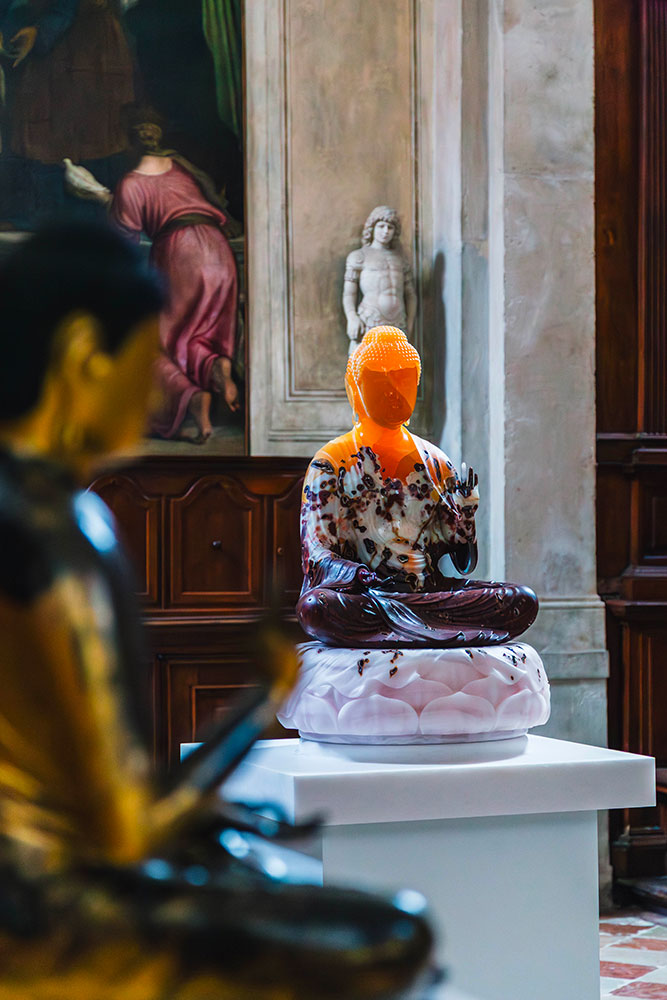
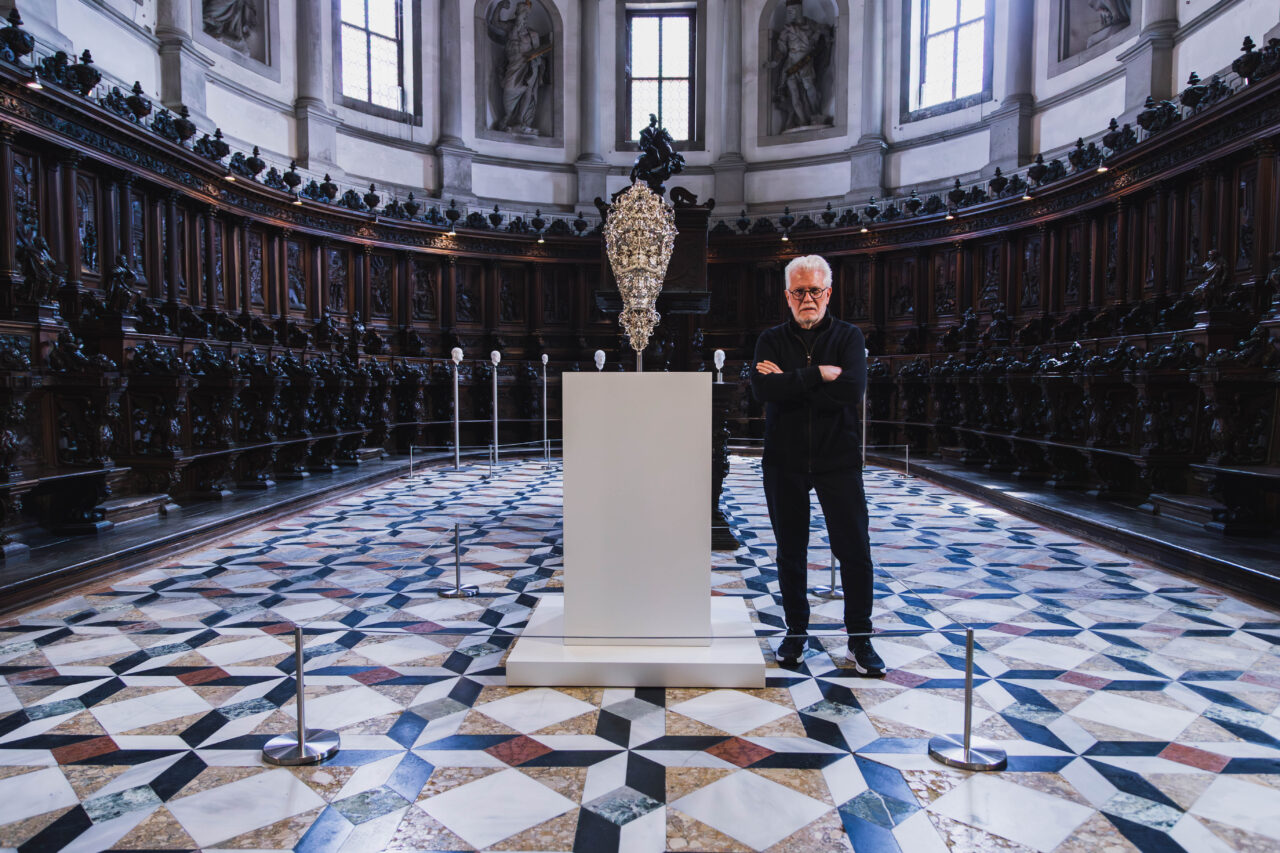
On the Island of San Giorgio Maggiore, the American artist presents twenty-three sculptures in Carrara marble and rare stones, including Iranian onyx, Golden Honeycomb calcite, Rouge du Roi marble, and black marble, selected for their translucent and chromatic characteristics that are the artist’s signature. The works often require several years of labor, such as the Portrait of Pope John Paul II created with Damiani, and focus on the relationship between light, surface, and volume.
In his New York studio, Barry X Ball develops a sculptural practice that combines the study of masterpieces from the past with advanced technologies, through 3D scanning, digital modeling, and robotic processing, completed by extensive manual intervention.
The project, curated by Bob Nickas with coordination by Carmelo A. Grasso, Director and Institutional Curator of Abbazia di San Giorgio Maggiore, and Galleria Michela Rizzo, dialogues with the architecture of Andrea Palladio in the Basilica di San Giorgio Maggiore and includes a group of works dedicated to Medardo Rosso. The exhibition is part of the Abbey’s program, a Benedictine community that promotes dialogue between contemporary art and sacred space.
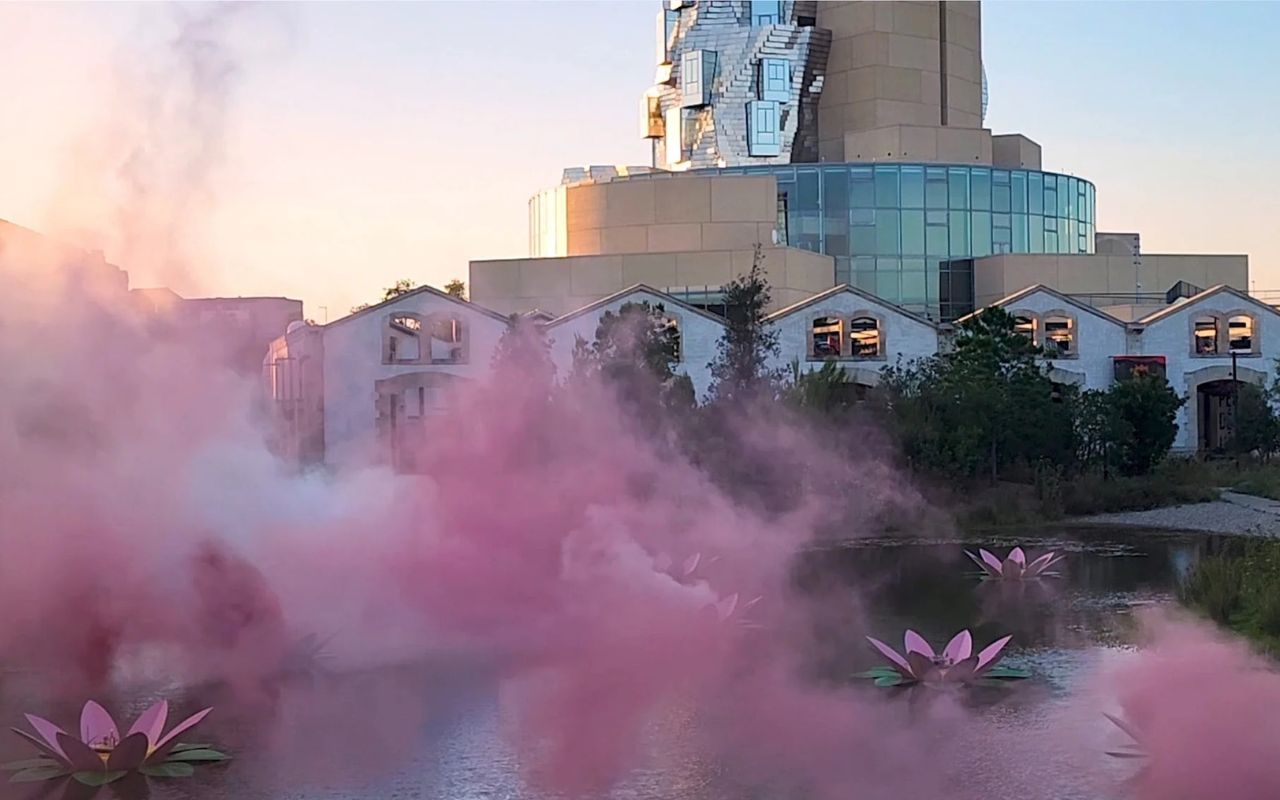
- Fragments of Fire Worship by Ben Hamouda and Momentary Monument – The Library by Lara Favaretto
May 9 – November 22
Biblioteca Nazionale Marciana
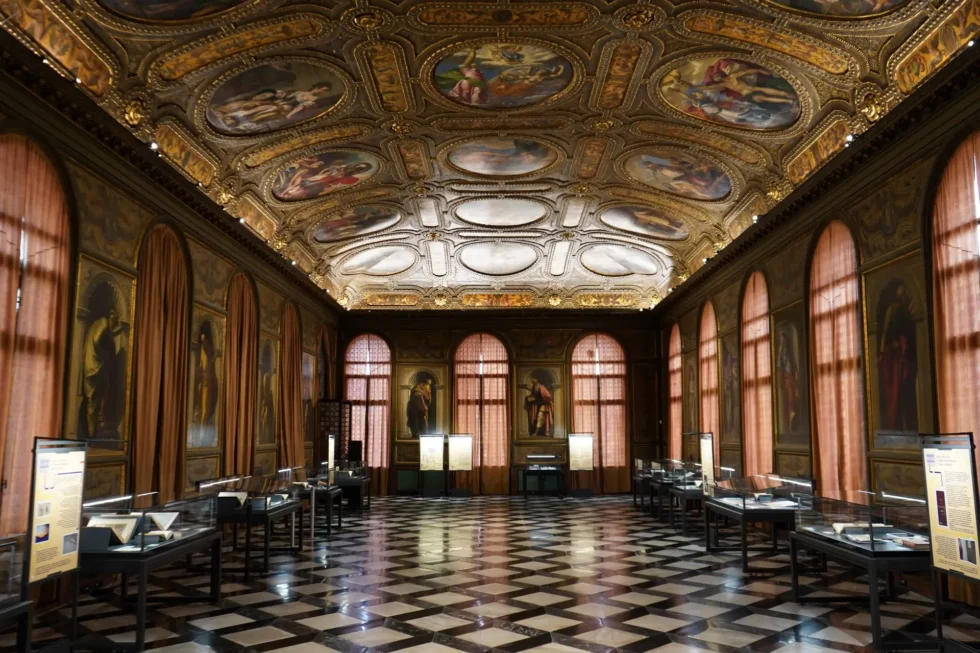
At the Biblioteca Nazionale Marciana, in the Monumental Halls designed by Jacopo Sansovino, Fondazione Bvlgari presents its project for the 2026 Venice Art Biennale. The Foundation builds its program with an innovative idea of patronage, viewing contemporary production as a practice that intervenes in the ways knowledge is constructed and transmitted. The Marciana Library, a symbolic site of European humanistic culture, is the place where knowledge is conceived as accumulation, order, and continuity.
Monia Ben Hamouda works with language.
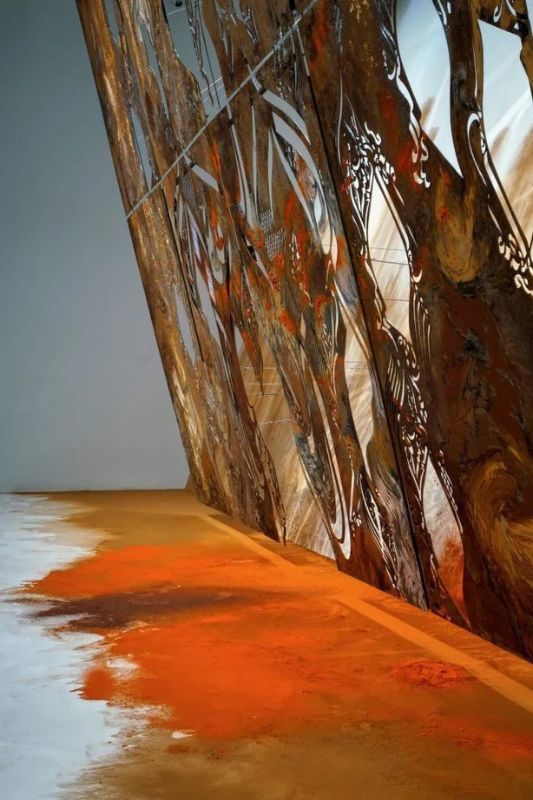
In Fragments of Fire Worship, an installation placed in the vestibule, calligraphy transforms into a system of signs that escapes reading. The neon forms seem to construct an alphabet, but do not communicate. They remain as traces, fragments, signs suspended between identity and loss. Language ceases to be a transparent tool and becomes unstable matter.
Lara Favaretto intervenes on the book.
Momentary Monument – The Library occupies the Salone Sansoviniano, a masterpiece of the Venetian Renaissance designed by Jacopo Sansovino between 1537 and 1553 and decorated with works by Titian, Tintoretto, and Veronese.
In parallel, at Spazio Esedra dei Giardini, the pavilion entrusted to Lotus L. Kang, which develops through light-sensitive materials, photographic papers, and films. The work responds to the environment and changes over time.
“Being the exclusive partner of the Art Biennale means renewing a concrete commitment to supporting art as dialogue and research,” stated Laura Burdese.
- Fondazione Giancarlo Ligabue
Palazzo delle Arti e delle Culture
Collecto
May 7–24, 2026
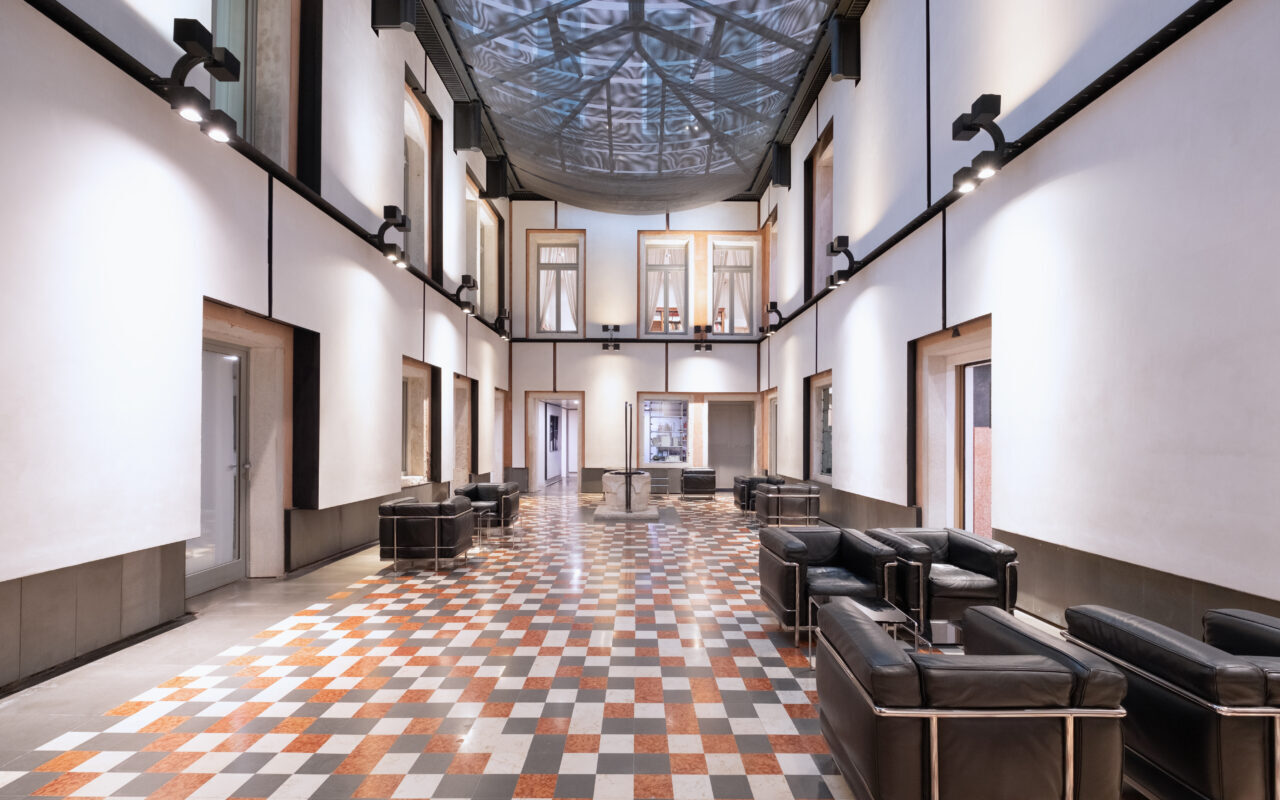
On the Grand Canal, Inti Ligabue opens the Palazzo delle Arti e delle Culture, the new headquarters of Fondazione Giancarlo Ligabue with a project that brings together research, exhibition, and dissemination, built around the Foundation’s collection, the intellectual center of its research and educational activities.
Collecto encompasses over 400 works and artifacts, from paleontology to archaeology to ancient and contemporary art. The itinerary is organized by themes: birth, death, power, beauty, and relationship with the divine.
From the 4.5-billion-year-old meteorite to the first traces of humankind, from Mesopotamian civilizations to the classical world and extra-European cultures, alongside contemporary works by Nico Vascellari, Edmondo Bacci, Vera Lutter, and Arcangelo Sassolino.
The itinerary concludes with a studiolo spanning the fourteenth to seventeenth centuries, featuring works attributed to Leonardo da Vinci and Giandomenico Tiepolo.
The collection is conceived as an open system, capable of connecting different times and cultures. In dialogue, the artist residency of Marta Spagnoli, developed with Galleria Continua.
From May 7 to 24, coinciding with the opening of the Art Biennale, visits to the Palazzo delle Arti e delle Culture will be free for all, by reservation, in time slots and with guided tours. Subsequently, it will reopen with paid admission – always by reservation and with a guide.

- Fortuny + Chahan
May 4 – 9, 2026
Palazzina Fortuny, Giudecca
By appointment
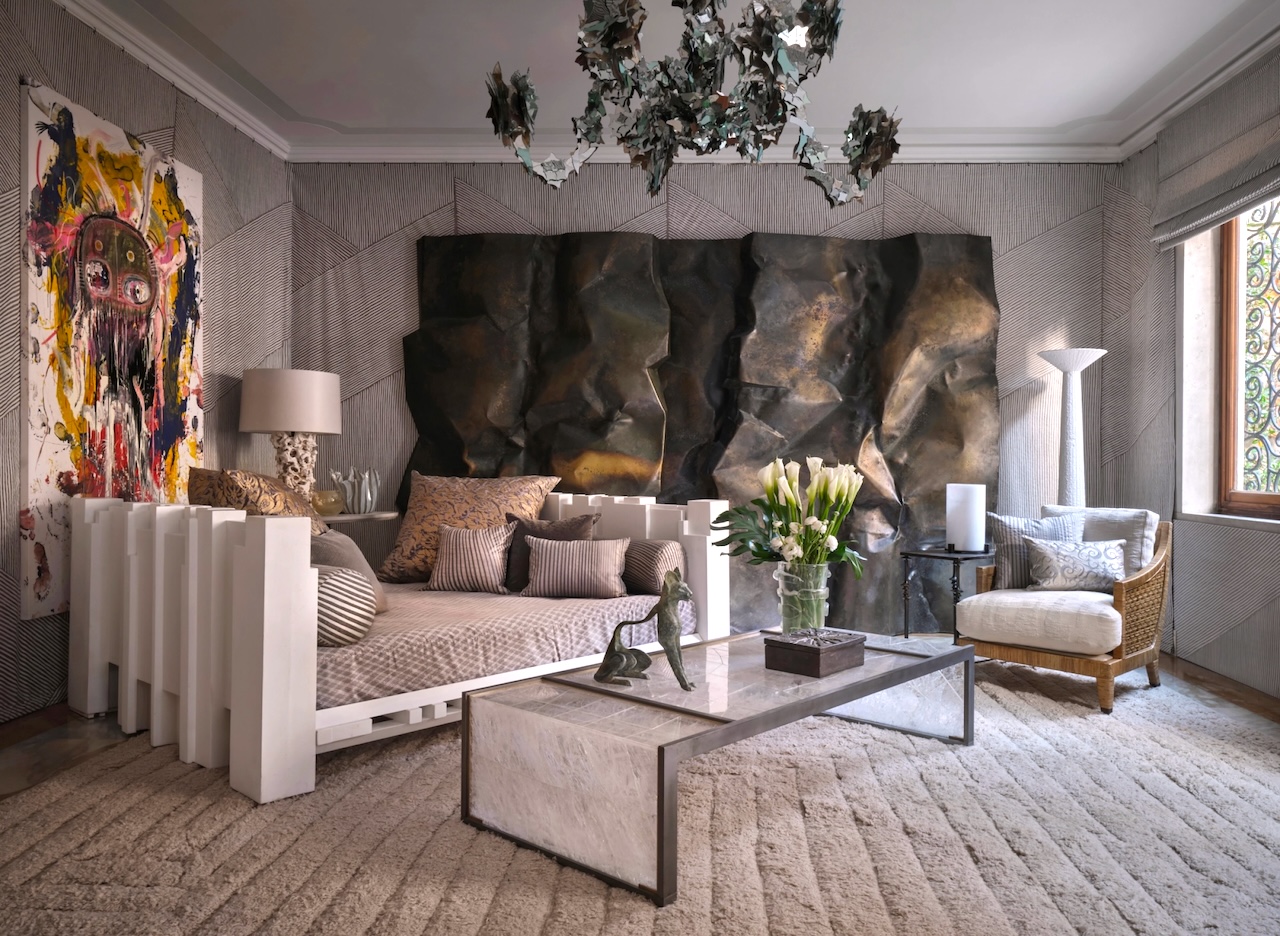
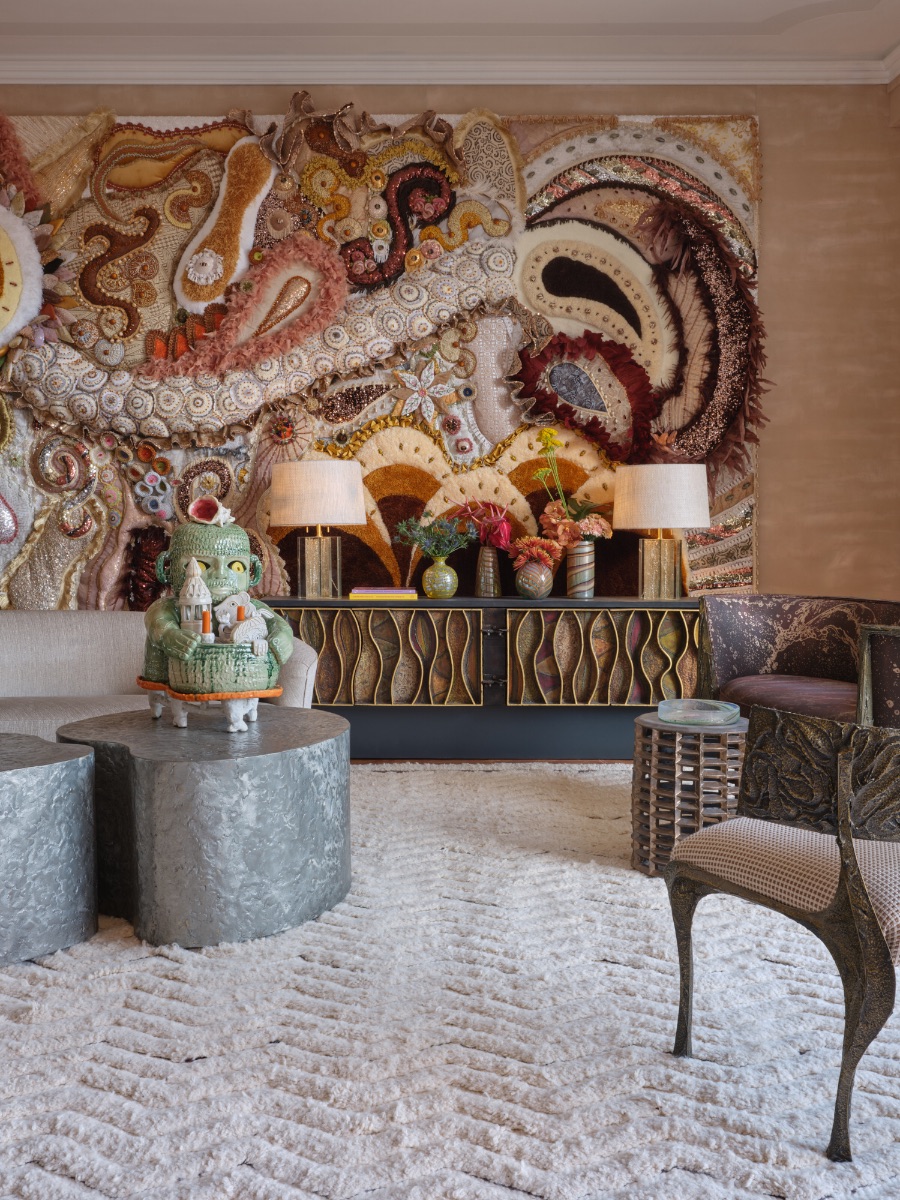
The home of Contessa Gozzi opens as an immersive environment for a new chapter in the collaboration between Fortuny and interior designer Chahan Minassian. Adjacent to the historic Fortuny factory, the home of Contessa Gozzi, owner of Fortuny after Mariano and Henriette, opens to the public to become an immersive environment that develops a dialogue between textiles, design, art, and lifestyle.
Contemporary artworks and furnishings dialogue with the collections of fabrics produced just meters away in the manufactory founded in 1921 by Mariano Fortuny y Madrazo. Used as a score by Chahan’s curatorial vision, the iconic fabrics whose production process has always been kept secret become instruments of expression and give life to a scenography that gives voice to the residence.
The founder of Chahan Gallery’s sensitivity to spatial experience and craftsmanship unites Middle Eastern roots and European style, in dialogue with Venice. For this edition, Fortuny presents the new contemporary textile collection POLPO, while Chahan creates an itinerary of original furnishings, Murano glass lighting, and a selection of vintage pieces and international artworks.
- We Rise by Lifting Others by Marinella Senatore
The Human Safety Net, Procuratie
Hours: daily 10 AM–6 PM, closed Tuesday
At the Procuratie in Piazza San Marco, in the spaces of The Human Safety Net, artist Marinella Senatore presents a project built together with people. The exhibition We Rise by Lifting Others emerges from a participatory process of workshops, meetings, writing, movement, and listening, involving families in Warsaw, Mestre, and Palermo.
The project works on inclusion, vulnerability, and possibility. Personal stories become visual material. The work becomes a collective space, where individual experience enters into relationship with that of others.
The result takes form in a large luminaria and six tapestries. Light becomes narrative structure. The fabrics gather words, thoughts, and images that emerged during the workshops. The works inhabit the Art Studio space and dialogue with the permanent exhibition A World of Potential, the interactive itinerary dedicated to the theme of human potential.


- Il Gesto
May 5 – December 2026
The Venice Venice Hotel
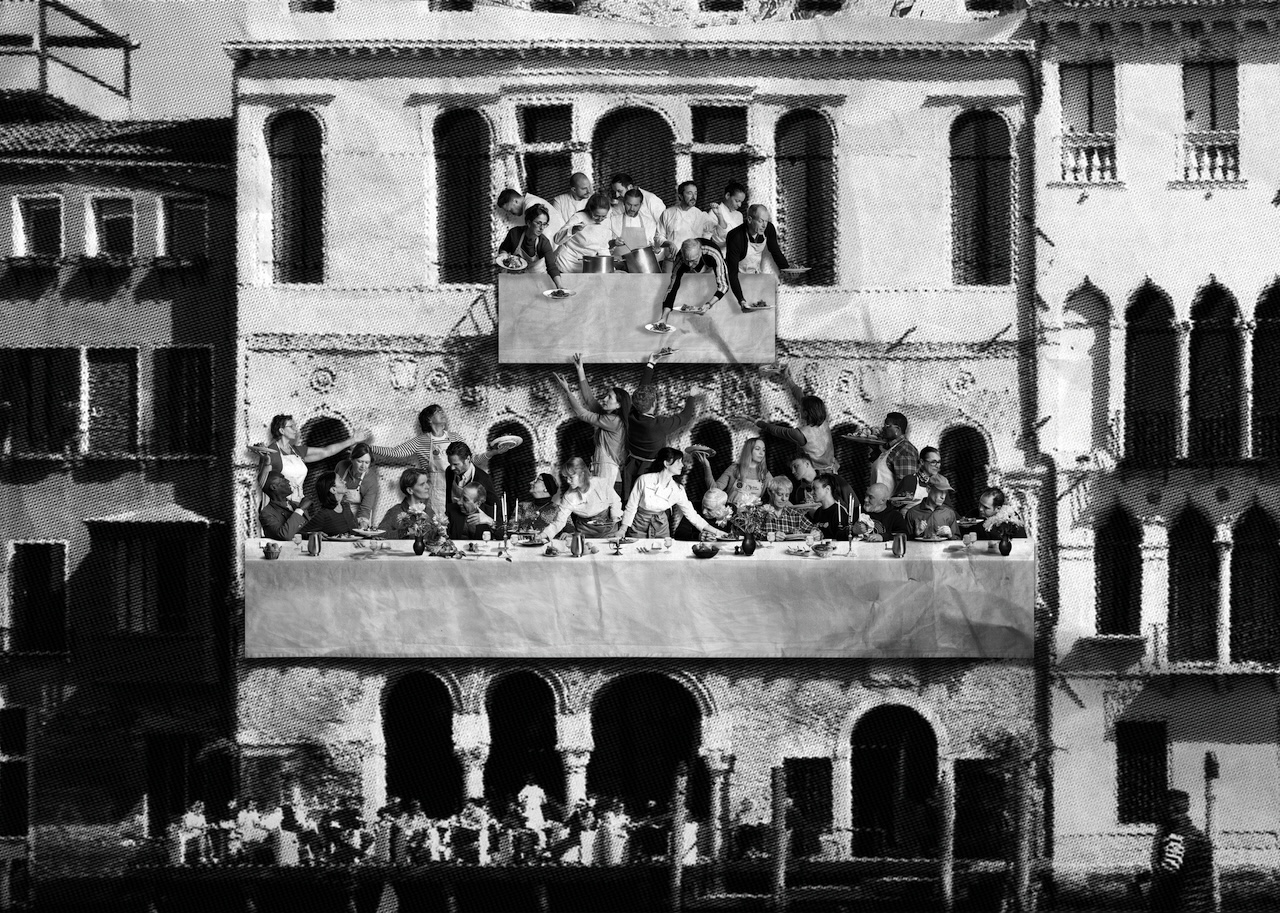
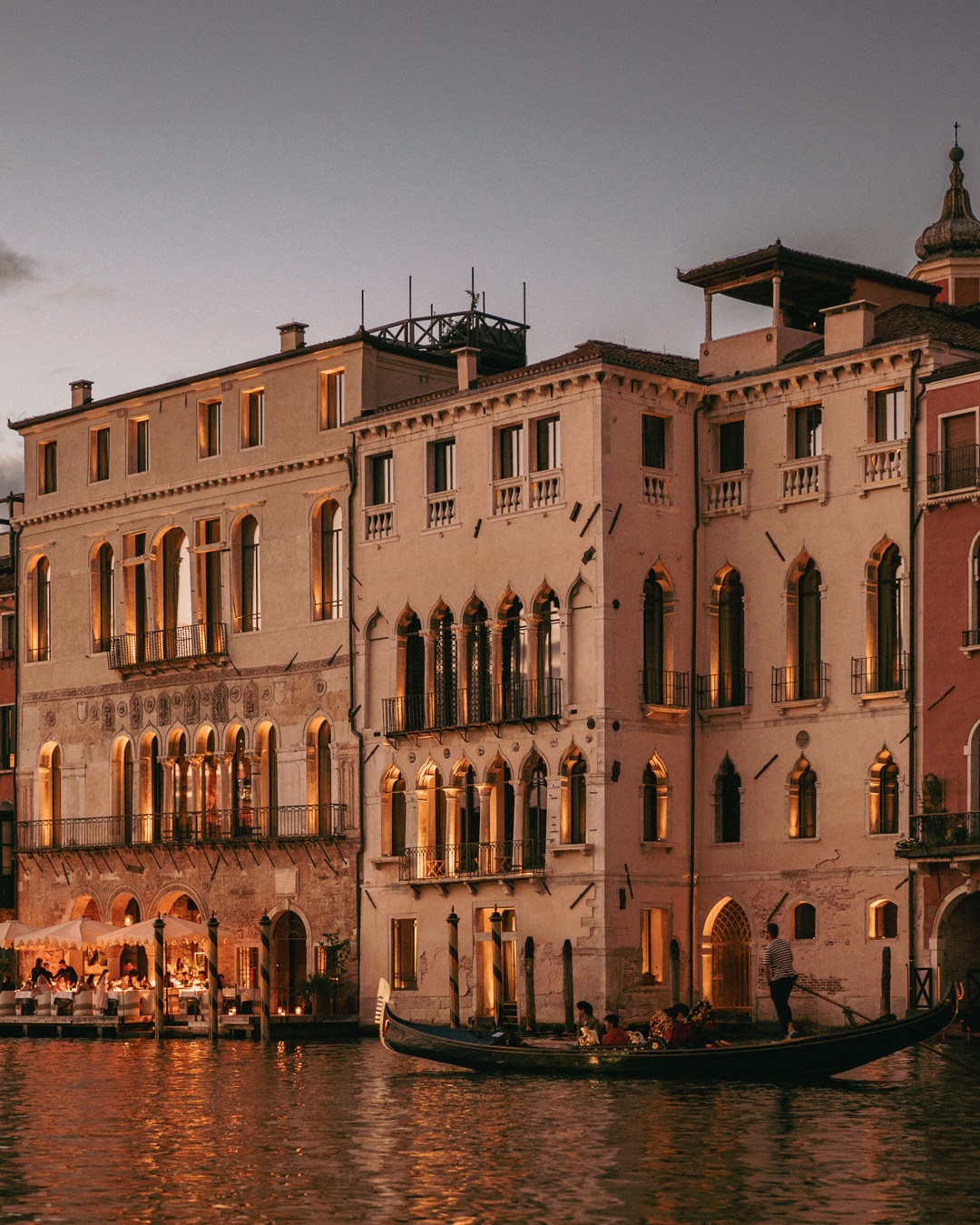
JR returns to Venice with a new performance on the Grand Canal: on the facade of Ca’ da Mosto, home of The Venice Venice Hotel, the French artist presents Il Gesto, a monumental tapestry inspired by The Wedding at Cana by Paolo Veronese.
From May 5, during the openings of the 2026 Venice Art Biennale, the palace transforms into a collective scene constructed through the faces and stories of 176 people, including guests, volunteers, and chefs, from the Refettorio Paris community. The banquet becomes a shared table, a place of encounter and relationship, a sound and visual archive that restores space to those who remain outside official narratives.
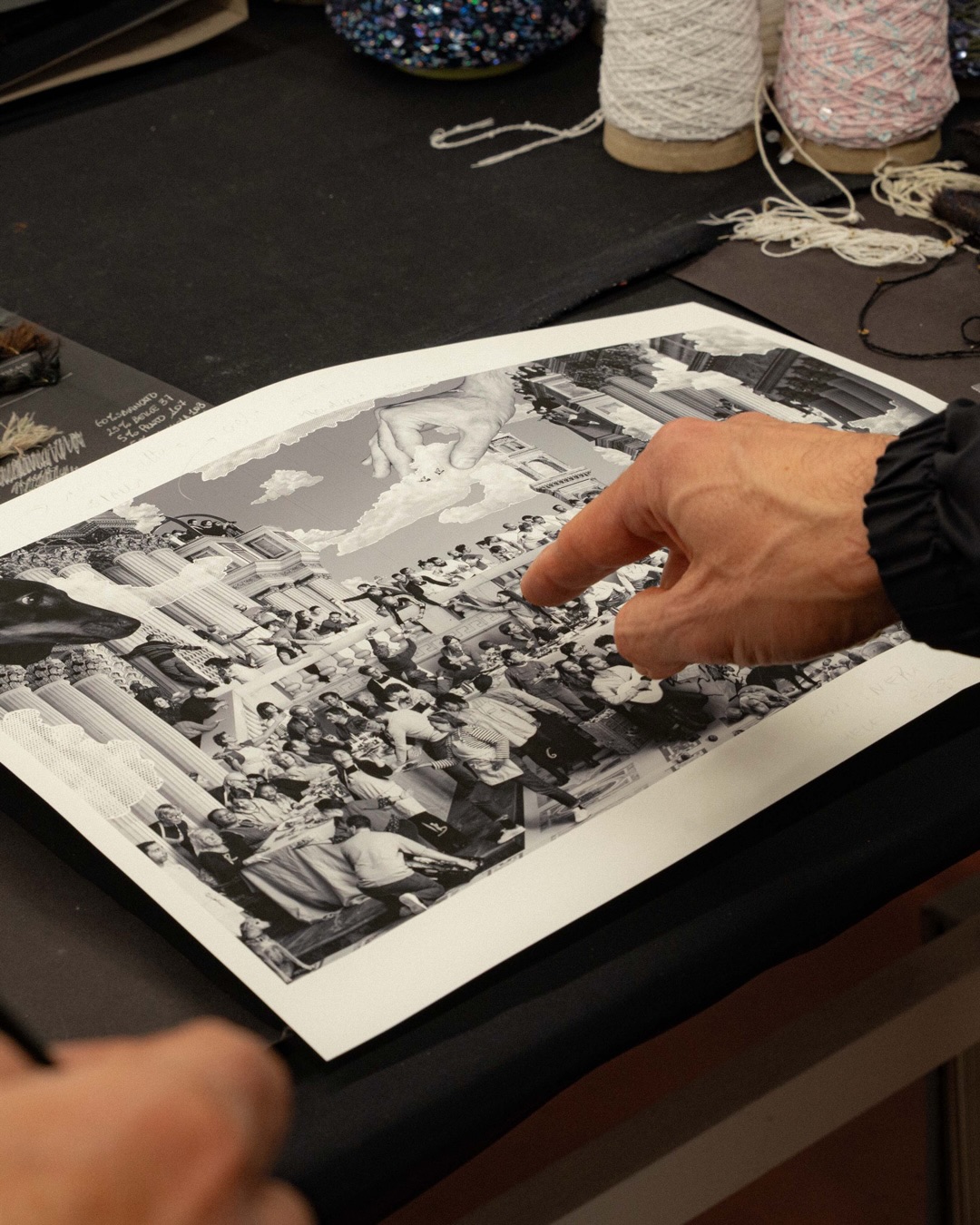
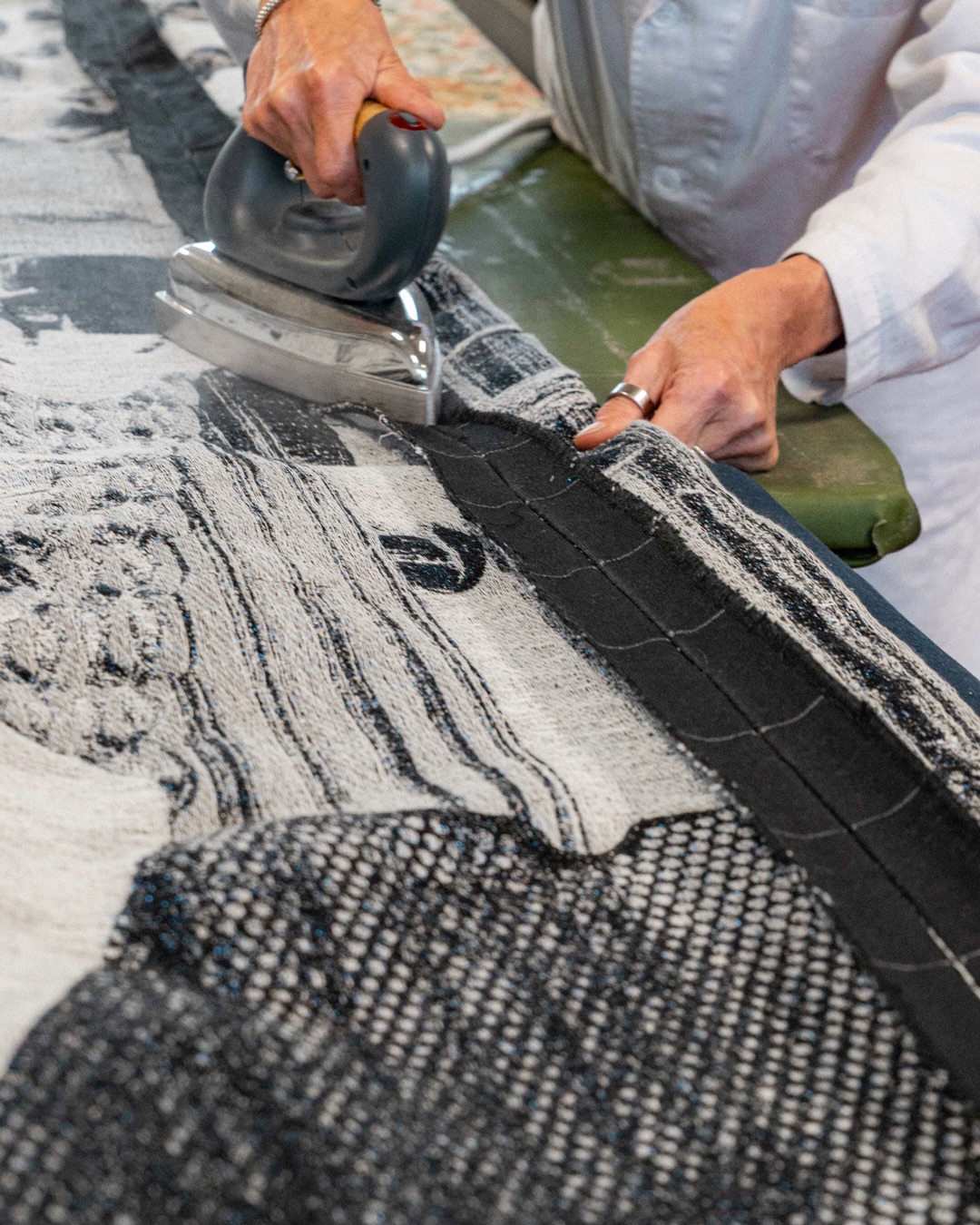
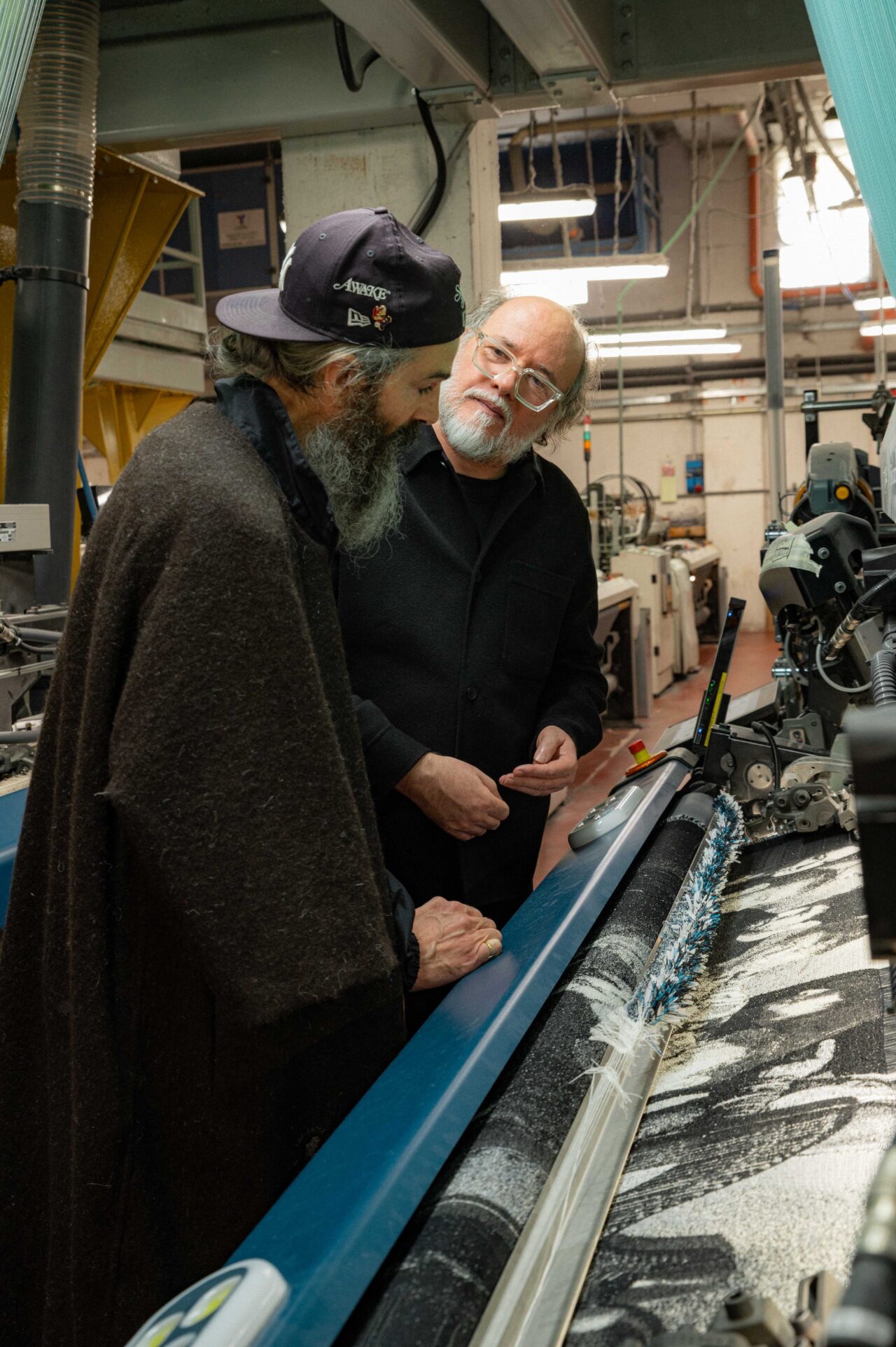
From May 5 and throughout the Biennale until November, the project will be hosted in the spaces of The Venice Venice Hotel. During the preview week, from May 5 to 9 the work will temporarily cover the facade of Palazzo Ca’ da Mosto. After the opening week, the itinerary will be on the Secondo Piano Nobile, with the installation of a 4.30 by 7.80 meter tapestry, woven by Giovanni Bonotto and produced by Fondazione Bonotto.
Made with recycled plastic, virgin wool, organic cotton, and washi paper, it required approximately 600 hours of research and production. The interior installation is accessible by reservation, and there is the possibility to support a local charitable organization through a voluntary donation.
Il Gesto – A contemporary reinterpretation of The Wedding at Cana
The Venice Venice Hotel, Cannaregio, 5631
A fresco by JR, a tapestry by Giovanni Bonotto, voices and sounds for the Refettorio Paris project.
Book your visit and discover the installation
- The Materiality of Judy Chicago
May 7 – November 22, 2026
Galleria Alberta Pane, Calle dei Guardiani, 2403 H
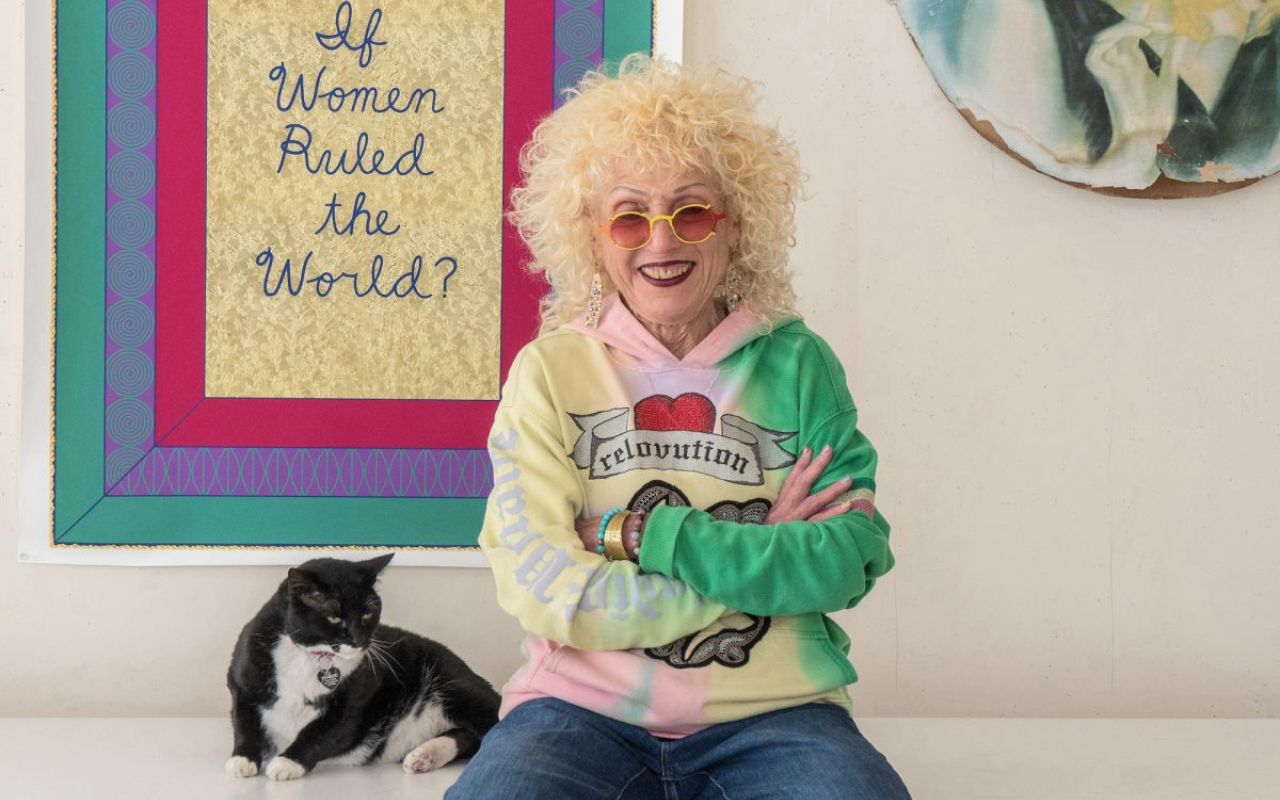
For the 2026 Venice Art Biennale, Galleria Alberta Pane presents the first European solo exhibition dedicated to Judy Chicago.
A pioneering figure in feminist art, Chicago has long been identified with The Dinner Party, now part of the Brooklyn Museum collection. The Venetian exhibition expands this reading and reveals the complexity of a practice that spans the artist’s life, celebrating over sixty years of work.
At the center, materials. Car bodies painted with spray cans, porcelain plates, embroidered fabrics, glass, metal. Elements the artist uses to challenge the hierarchies of art history, bringing techniques considered artisanal into a contemporary language. The exhibition itinerary, curated by Allison Raddock, traverses some of the most important series of her career and includes a new body of works.
Lilies/Goddesses presents sculptures in glass, bronze, and aluminum, created through collaborations with Berengo Studio, JRP|Editions, and the Corning Museum of Glass. The works are presented for the first time internationally in the gallery spaces.
The project constructs an expanded reading of Chicago’s research. The body, identity, and representation enter into relationship with matter. Manual techniques become instruments of thought and visual construction.
The exhibition is part of the distributed program around the Biennale, and contributes to defining the role of Venice as a site of production and dialogue between artistic practices, manufacturing, and contemporary research.
Article by Lucia Pecoraro and Laura Scarpa.
Photos courtesy of the respective press offices.

