The 17th edition of the Venice International Architecture Exhibition begins on May 22, 2021. Until November 21, 2021 the gates of the Biennale will be open to the public for events, meetings, and performances.
After a year-long wait, made of thoughts and ideas, the predictive title of the exhibition ‘How will we live together?’ gives us a clear insight on what the Biennale will represent.
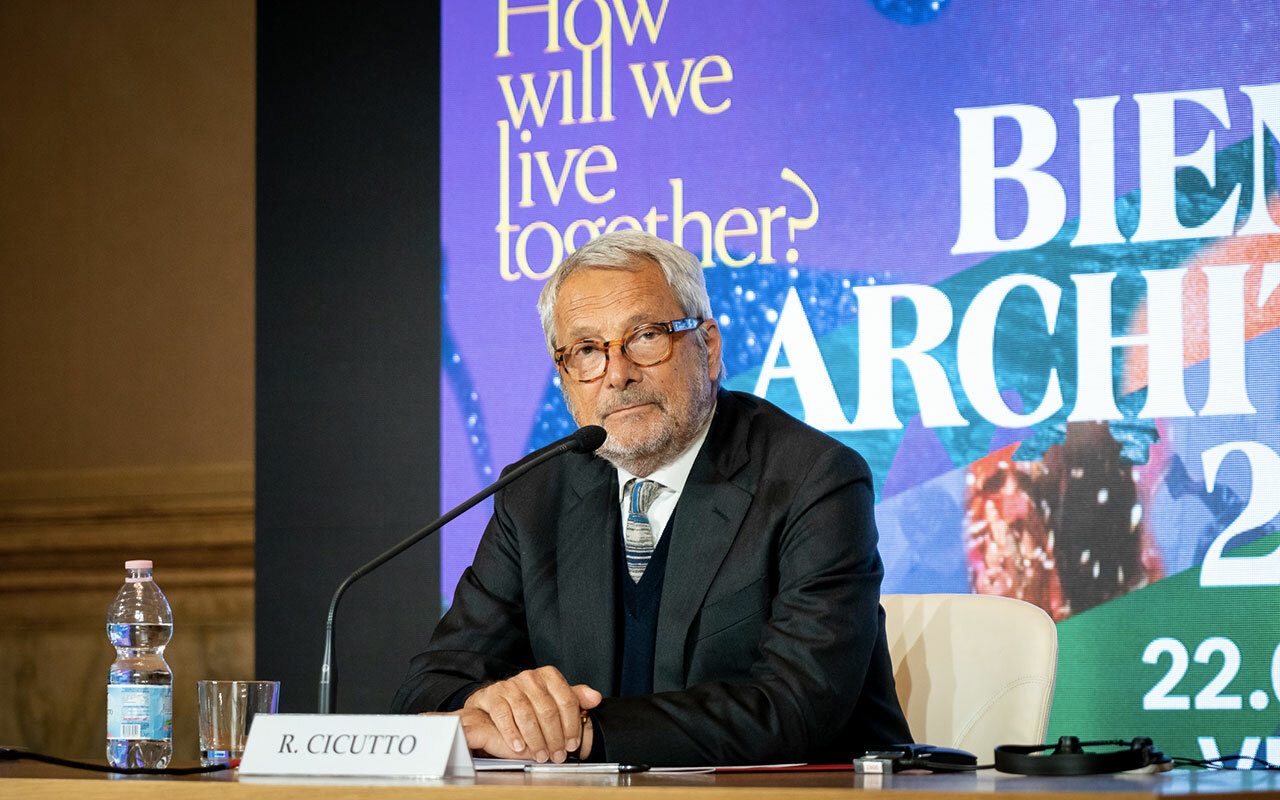
“It wasn’t a wasted year – said President Cicutto during the presentation of the Biennale at the web Press Conference, quoting director Ermanno Olmi – Don’t think that downtime is useless, it’s especially important if it helps us understand what we should and must do and the goals of our actions. I believe that this extra year, which the Architecture Biennale has had, has helped creativity and artists to fulfill their duties, social and moral too. Never as today there is such a need for architecture“.
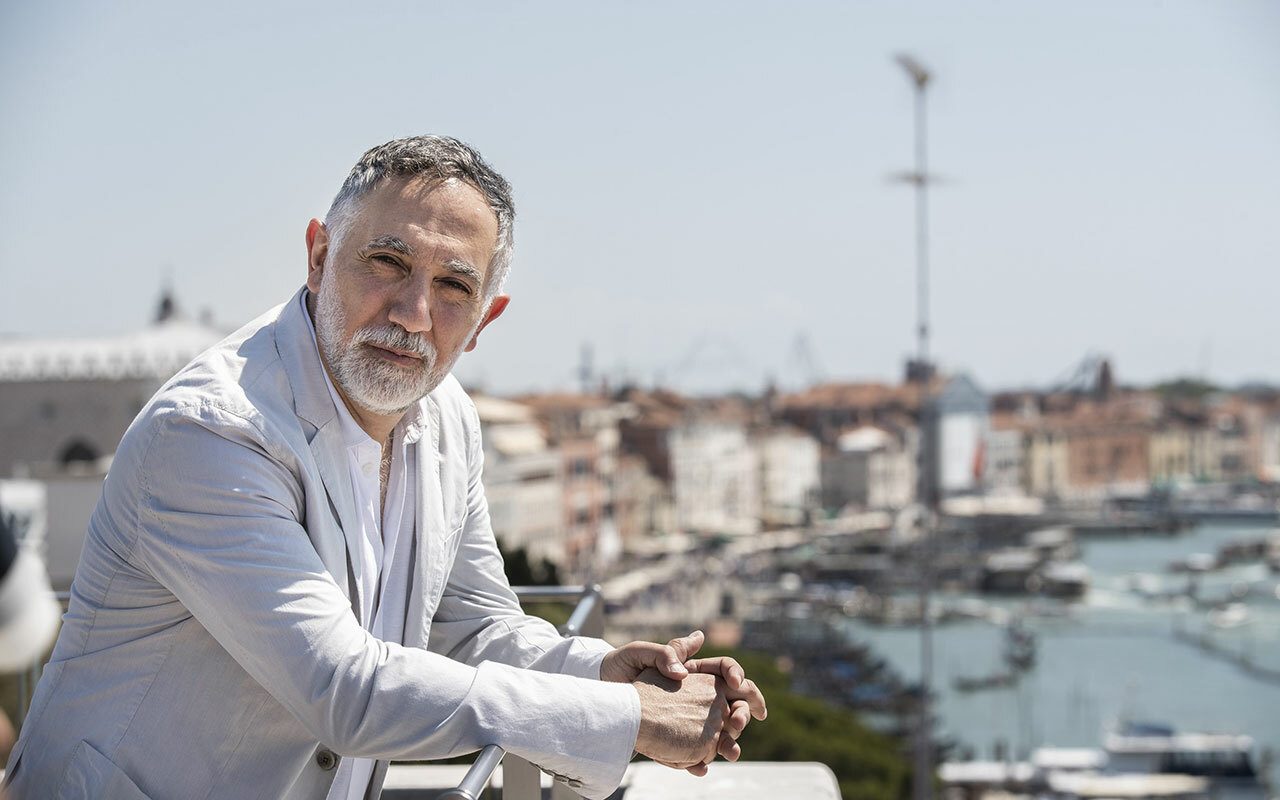
Curator Hashim Sarkis’ thoughts
Lecturer and researcher Hashim Sarkis, who was appointed curator at the 17th Architecture Exhibition by the former Venice Biennale president Paolo Baratta, describes his Biennale as an expanded project in which the pavilion curators of each country are expected to collaborate to rethink architecture today. “Can architecture exist after the pandemic? – Hashim asks – The title of the exhibition has become an ironic concept, but there is a close connection. Social inequalities made us think, through architecture as a new concept of thinking, as an idea of creating collaborations.”
This had its beginning with the exhibition Le muse inquiete coordinated by Cecilia Alemani, next curator of the Biennale Arte 2022. All the curators (Art, Architecture, Dance, Theater and Cinema) worked together to create an important tribute that covered the history of the Biennale over six eras: from the Years of Fascism (1928-1945) to the Cold War and the New World Orders (1948-1964), from ’68 to the Biennales of Carlo Ripa di Meana (1974-78), from Postmodernism to the first Architecture Biennale up to the 1990s and the beginning of globalization; also thanks to the display of material, unpublished, provided by ASAC, the Historical Archives of the Contemporary Arts of Venice.
The Biennale 2021 Program
63 are the participating countries with four new entries: The Republic of Azerbaijan, Grenada, Iraq, and Uzbekistan. 112 are the works by the participants from 46 countries with a prevalence from Africa, Latin America, and Asia with equal representation of men and women.
The Italian Pavilion at the Tese delle Vergini in the Arsenale, supported and promoted by the Ministry of Culture, Directorate-General for Contemporary Creativity (DGCC), is curated by Alessandro Melis. Born in 1969, the architect from Cagliari and professor of architectural innovation at the University of Portsmouth (UK) with “The Resilient Communities” project addresses issues of great urgency such as climate change and community resilience. It is a highly informative and engaging exhibition; the Italian Pavilion will be an opportunity to reflect on how to respond positively to the social and environmental pressure currently underway”. This was announced by the Minister for Cultural Heritage and Activities Alberto Bonisoli.
The Architecture Biennale 2021 is organized in five “scales” (or thematic areas), three set up at the Arsenale and two at the Central Pavilion: Among Diverse Beings, As New Households, As Emerging Communities, Across Borders and As One Planet.
Part of the exhibition we will also see the contribution of 5 international architects, authors of a project dedicated to the theme of play, displayed in Forte Marghera.
Out of competition
Confirmed out of competition are: Stations + Co-Habitats, research on the five scales and related case studies developed by researchers from universities around the world (Architectural Association, American University of Beirut, The Bartlett, Columbia University, The Cooper Union, ETH Zürich, Ethiopian Institute of Architecture, Building Construction and City Development EiABC, ETSAM – Escuela Técnica Superior de Arquitectura de Madrid, Harvard University, Hong Kong University, Università Iuav di Venezia, KIT Karlsruhe, KU Leuven, Rice University and the Venice Lab, a consortium of research groups at MIT); the special participation of the Israeli artist Michal Rovner at the Central Pavilion; the special project UN Assembly for the Future by Studio Other Spaces represented by Olafur Eliasson and Sebastian Behmann; the outdoor installation at the Giardini How will we play sport together? dedicated to the theme of sport; the event by Vuslat Foundation, which focuses on changing the idea of space and how it should be seen and heard, through an installation by Giuseppe Penone in the Arsenale.
 Bureau of Engineering, Michael Maltzan Architecture, Inc. / HNTB Corporation, “City of Los Angeles,” Sixth Street Viaduct. Courtesy Michael Maltzan Architecture
 SOM, “Moon Village Earth Rise,” Life Beyond Earth, 2020.Courtesy SOM | Slashcube GmbH
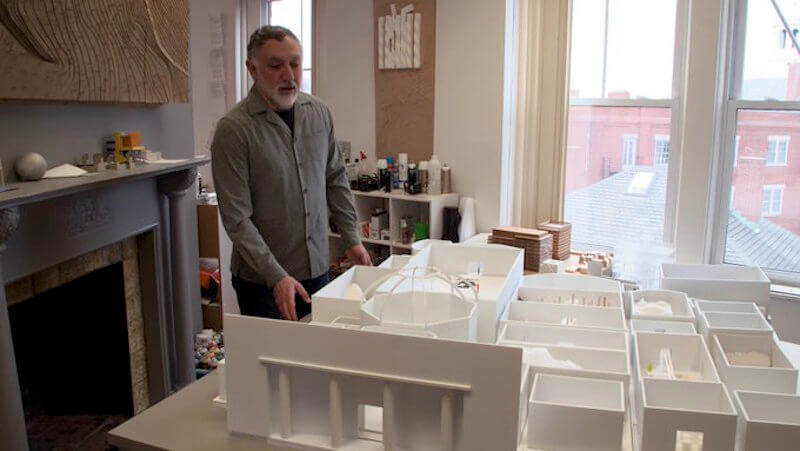
 Dogma, “You always seemed so sure that one day we’d be fighting,” The Opposite Shore, 2016-19. Courtesy Dogma
The Venice Biennale is evolving from the Biennale we are familiar with, using different communication platforms, in addition to the ones we already know of social media.
From July 23rd to August 1st the Arsenale will host, in the Exhibition section entitled Among Diverse Beings, the 15th International Festival of Contemporary Dance with installations and dancer-choreographers of the Biennale College.
Meetings on Architecture will feature a series of dialogues with architects and scholars from all over the world, who will attempt to answer the question How will we live together? addressing the new challenges of climate change, the role of public space in recent urban uprisings, new reconstruction techniques and the changing forms of collective housing, the architecture’s education and the architect’s education, and the relationship between curatorship and architecture.
17 free Collateral Events, promoted by national and international organizations and institutions, are scheduled in different locations in the city.
And the collaboration, confirmed for the fifth consecutive year, with the Victoria and Albert Museum in London that, through the Special Project at the Pavilion of Applied Arts in the Arsenale (Sale d’Armi A) entitled Three British Mosques curated by Chris Turner, Ella Kilgallon and Shahed Saleem, presents the multiculturalism and the spirit of adaptation of the community under discussion to widespread Islamophobia with interventions and docs-film projections by Julie Marsh. A way to explore the relationship between cultures that often collide and meet.
The architecture of the British mosques embodies this connection, which has reshaped through its own language as a new urban fabric. The concept is that any group of people can open a mosque, simply by establishing a space as a place of prayer, thus generating a decontextualization of existing environments such as houses, stores, cinemas, even pubs into worship adaptations.

Golden Lion to Lina Bo Bardi
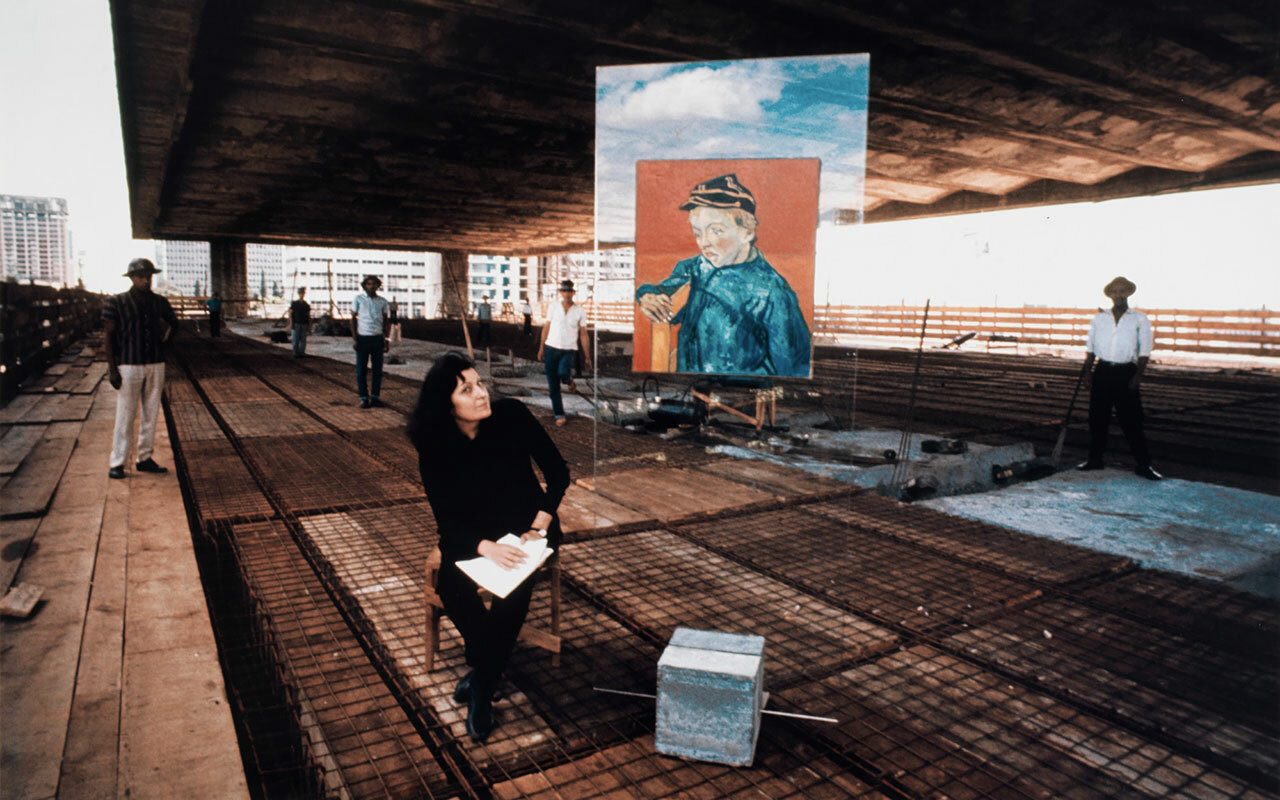
Special Golden Lion in memory of Lina Bo Bardi (1914-1992), Italian architect, designer, set designer, artist and critic naturalized Brazilian. The award will be celebrated on Saturday May 22 during the opening ceremony of the Biennale Architettura 2021.
“If there is an architect who better than any other represents the theme of the Biennale Architettura 2021, that would be Lina Bo Bardi. Her career as a designer, editor, curator, and activist reminds us of the architect’s role as a coordinator and, most importantly, as a creator of collective visions. Lina Bo Bardi also embodies the architect’s perseverance in difficult times, times of war, political conflict or immigration, and her ability to maintain creativity, generosity, and optimism under all circumstances.
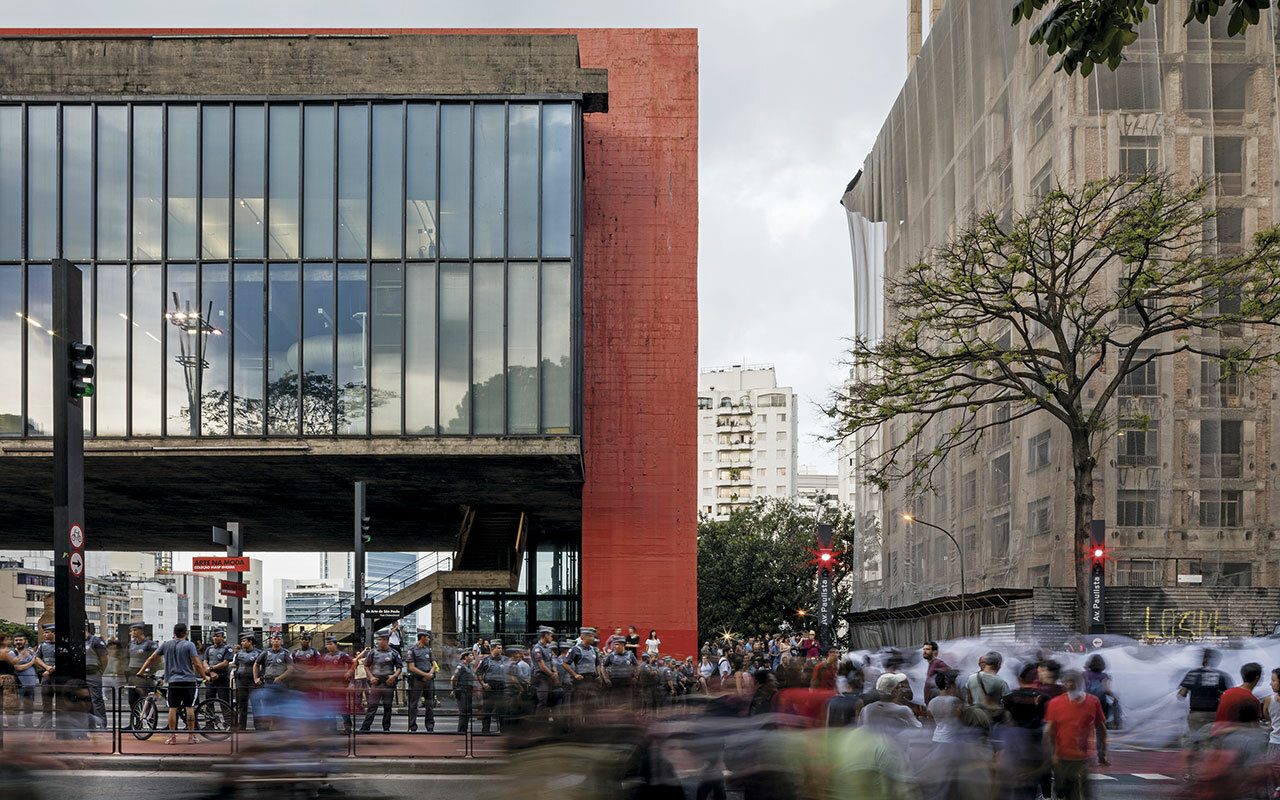
Among her works stand out impressive buildings that with their design combine architecture, nature, life, and community. In her hands, architecture becomes an effective form of social art able to promote interaction. The highest example of this attitude is the project of the Museum of San Paolo, emblematic for its ability to create a public space for the entire city, to create flexible interior spaces and to be suitable to host experimental and inclusive exhibitions, such as those of Bo Bardi herself.
The titles of the exhibitions held there (The House as Soul, The Dignity of Architecture, The Hand of the Brazilian People) alone illustrate very effectively the architecture’s ability to bring people together. The special Golden Lion in memory of Lina Bo Bardi represents the long overdue recognition of a prestigious career developed between Italy and Brazil and of a contribution aimed at reconsidering the architect’s role as a social facilitator.
Finally, it represents a tribute to a woman who simply represents the architect in his best sense.” These are the words of Hashim Sarkis.

Atelier Aperti special editionThe Instagram digital tours with Venezia da Vivere are ready to start for you to discover the great event of the Venice Biennale.
Together we will visit the pavilions at the Giardini and the Arsenale of the Biennale and the city, including workshops and ateliers of Venetian architects and designers, who will guide us to the discovery of Venice between creativity and architecture.
Connect to @veneziadavivere on Instagram and Happy Biennale to all 😉
For more information on upcoming events visit www.labiennale.org.
By Lucia Pecoraro aka @luciapecoraro_ on Instagram.
On the cover “Portrait Lina Bo Bardi and glass easel with a Van Gogh at MASP construction site courtesy Instituto Bardi”.

