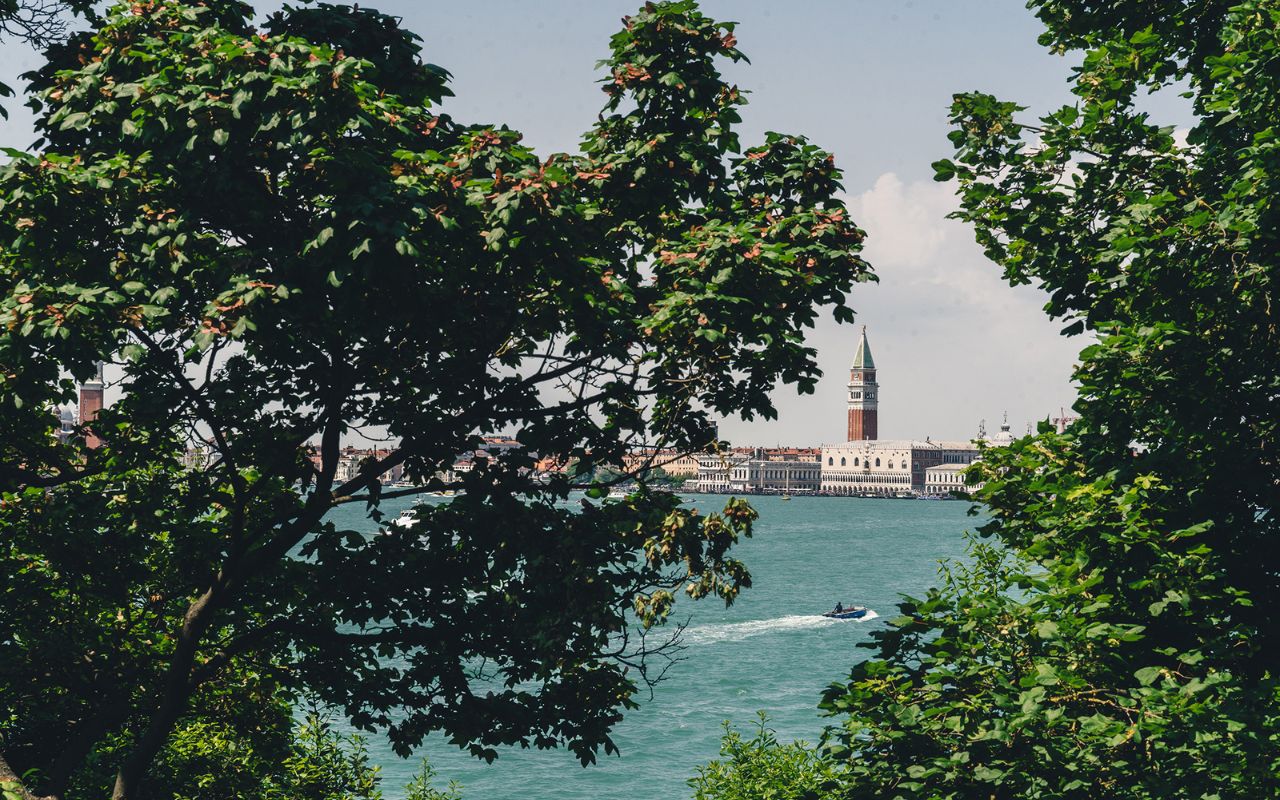
The map of the pavilions at the 61st Venice Biennale extends beyond the boundaries of the Giardini and the Arsenale: in the city, we find Timor-Leste, Zimbabwe, and the debuting pavilions
There are 7 countries participating for the first time at the Venice Art Biennale: Republic of Guinea, Republic of Equatorial Guinea, Republic of Nauru, Qatar, Republic of Sierra Leone, Federal Republic of Somalia, Socialist Republic of Vietnam.
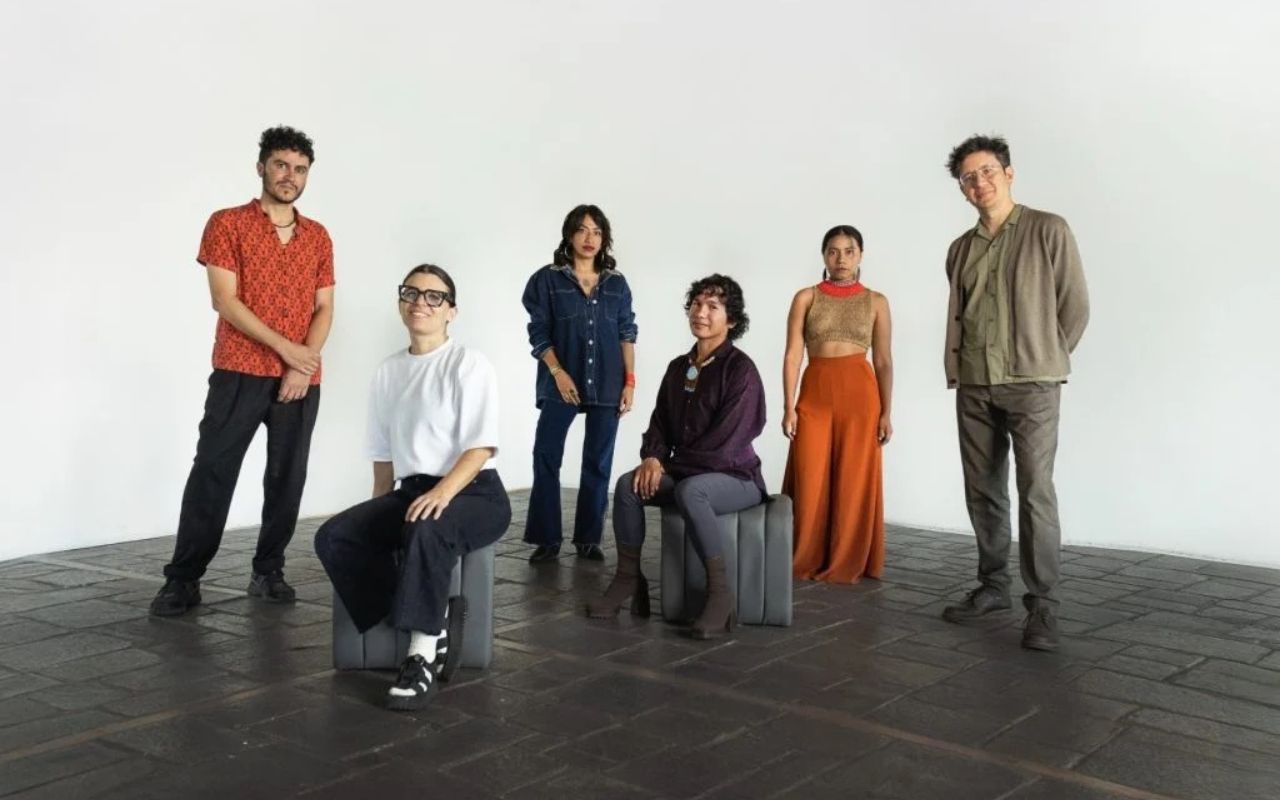
ECUADOR
- Title: TAWNA & Oscar
- Venue: Castello 1636/A
- Artists: TAWANA collective and Oscar Santillán
- Curator: Manuela Moscoso
Community, ritual, ecology, memory, and language are recurring themes in the work of the anti-colonial collective Tawna, composed of Sápara, Kichwa, and mestizo artists from the Ecuadorian Amazon, working with Óscar Santillán, a visual artist living between the Netherlands and Ecuador who blends ancestral knowledge with emerging technologies. While awaiting more details on the Venice project, Santillán is currently exhibiting at the Diriyah Biennale in Riyadh and at the Guggenheim Bilbao with Artes de la Tierra, dedicated to the relationship between ecology and artistic practices.
Participating for the first time with its own pavilion: EL SALVADOR
- Title: Cartographies of the Displaced
- Venue: Palazzo Mora, Cannaregio, Strada Nova, 3659
- Artist: José Óscar Molina
- Curator: Alejandra Cabezas
15 sculptures telling the story of the forced displacement of migrant communities: Molina, born in Morazán in 1971 and who fled to the United States at 16 during the civil war, transforms migration into splashes of color and sculptures with a QR code linking to messages from displaced people.
The other pavilions in alphabetical order
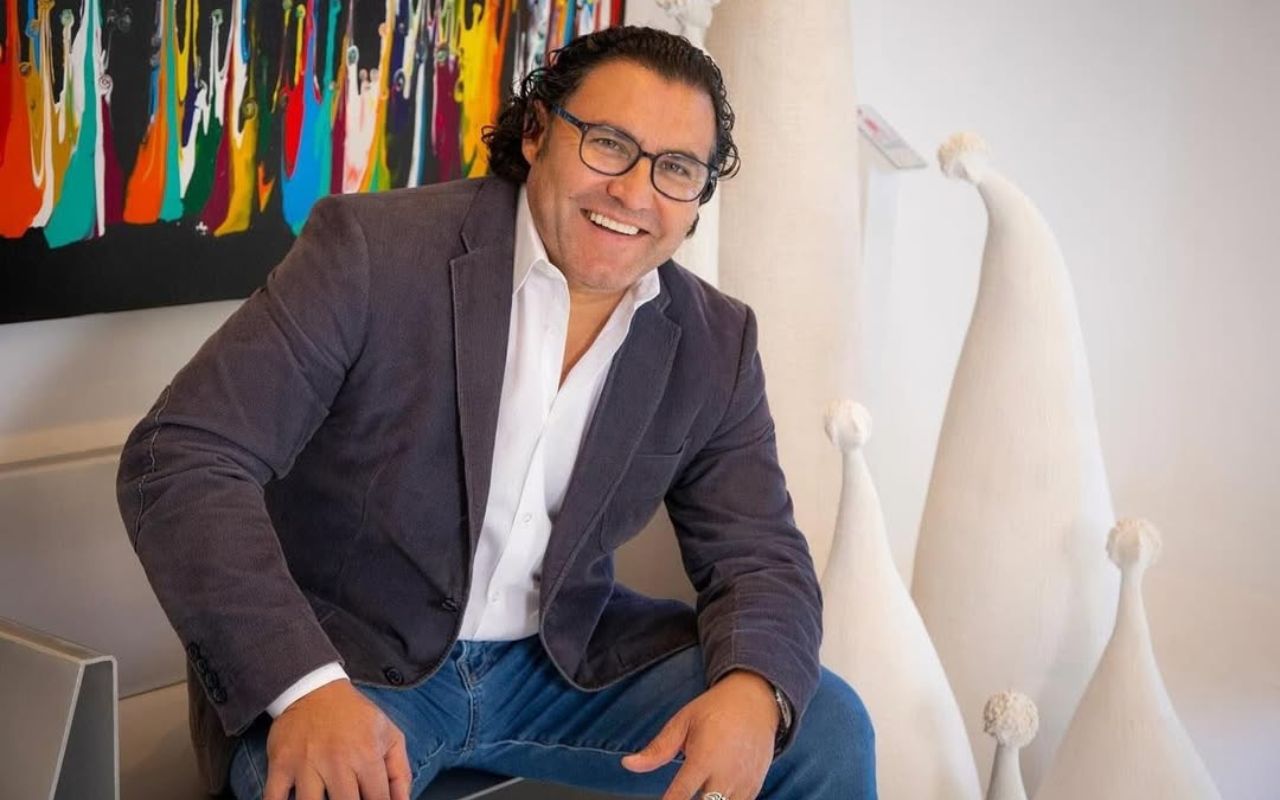
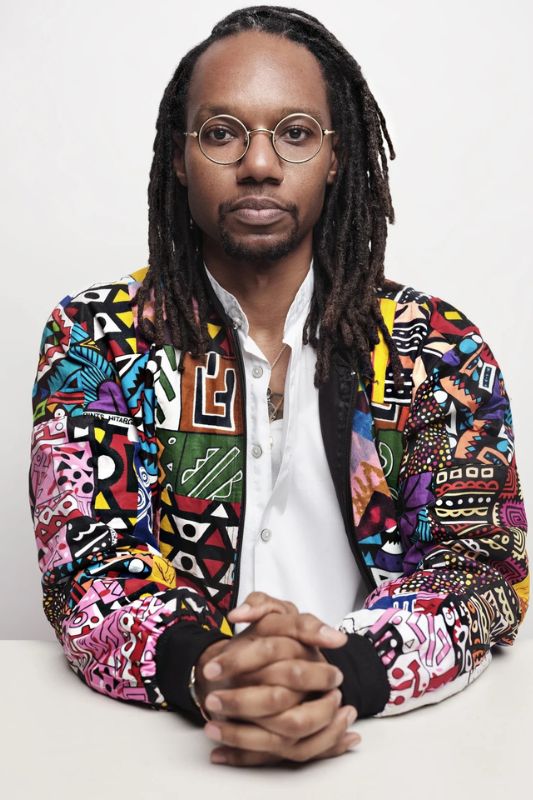
BAHAMAS
- Title: In Another Man’s Yard: John Beadle, Lavar Munroe, and the Spirit of (Posthumous) Collaboration
- Venue: San Trovaso Art Space, Dorsoduro 947
- Artists: Lavar Munroe and John Beadle
- Curator: Krista Thompson
Lavar Munroe exhibits alongside works by John Beadle, who passed away in 2024. Both use waste materials following the techniques of Junkanoo, the Bahamian festival where descendants of enslaved people transformed found objects into costumes and sculptures. Beadle was supposed to represent the country in 2015; Munroe brings him to Venice through works that recall his research on migration and identity.
CYPRUS
- Title: It rests to the bones
- Venue: Associazione Culturale Spiazzi, Castello 3865
- Artist: Marina Xenofontos
- Curator: Kyle Dancewicz
Sculptures that preserve memories like hard drives: Marina Xenofontos transforms everyday objects into living archives, where traces of the Cypriot diaspora following the 1974 partition are deposited.
Video and sound installations bring to the surface the folk traditions that Cypriots brought with them when emigrating to the United Kingdom and the United States—an intangible heritage that survives in everyday gestures and objects. “Her work addresses the weight and lightness of history,” says curator Kyle Dancewicz, deputy director of the SculptureCenter in New York, which dedicated a solo exhibition to her in 2023.
ESTONIA
- Title: The House of Leaking Sky
- Venue: Patronato Salesiano Leone XIII, Calle San Domenico 1281, Castello
- Artist: Merike Estna
- Curator: Natalia Sielewicz
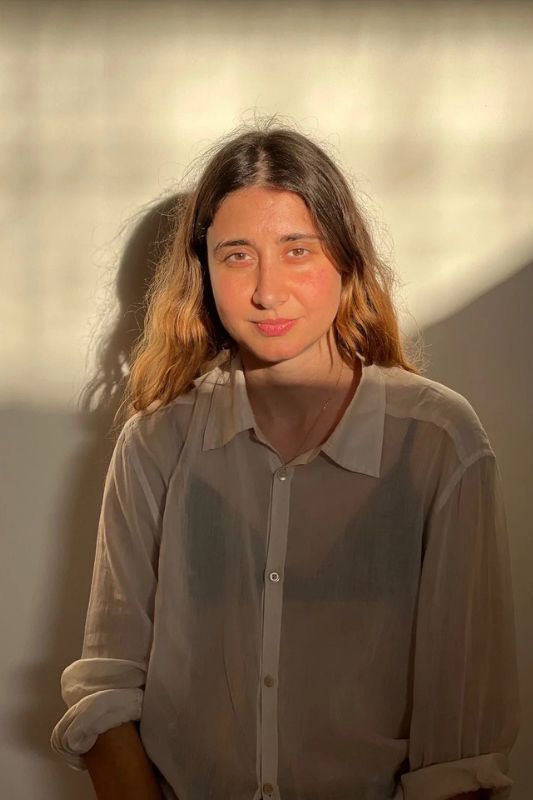
A frescoed ceiling above a floor marked by basketball lines: Merike Estna exhibits in a former church transformed into a community center, where the sacred and the civic overlap. Estna’s painting transcends the boundaries of the canvas to invade environments and objects, and for this Biennale, the artist will live in Venice with her family for the duration of the exhibition, transforming artistic work into a daily and performative gesture.
ICELAND
- Title: Pocket Universe
- Venue: Docks Cantieri Cucchini, San Pietro di Castello 40A
- Artist: Ásta Fanney Sigurðardóttir
- Curators: Margrét Áskelsdóttir, Unnar Örn Auðarson
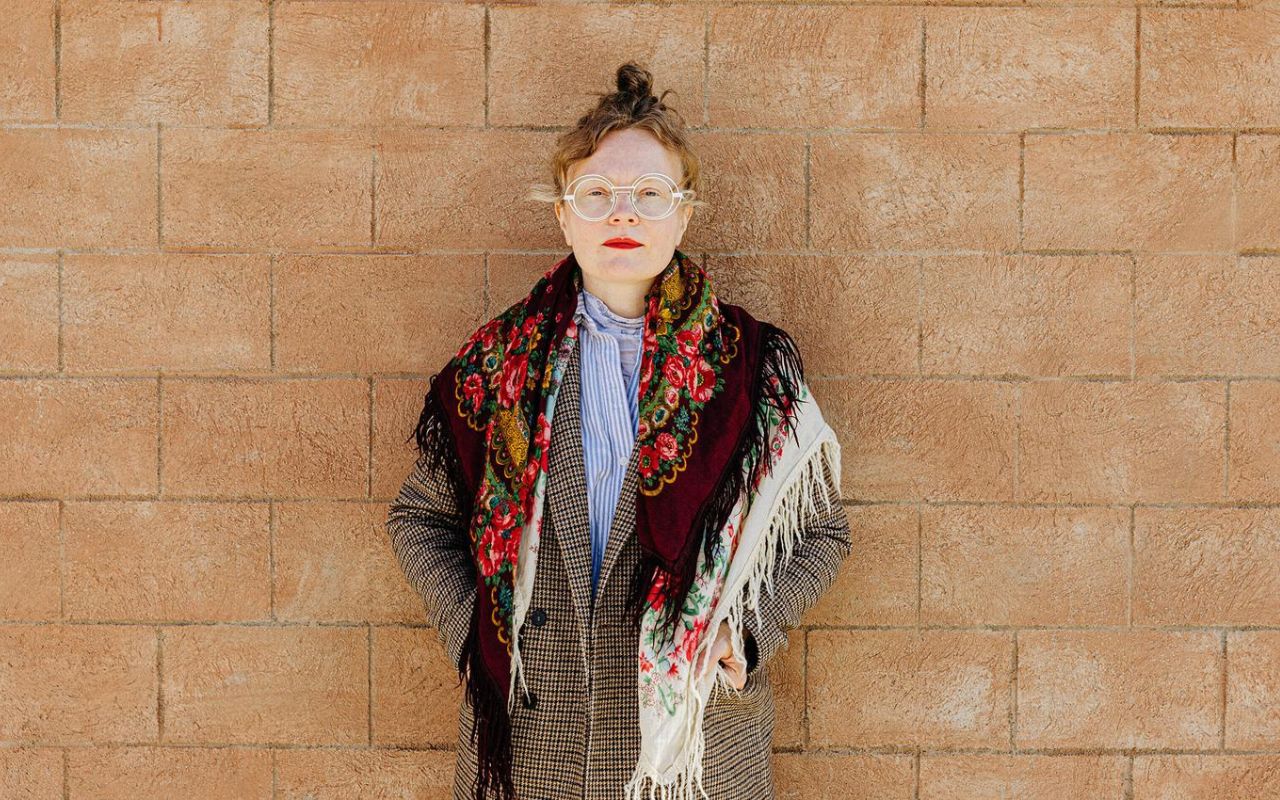
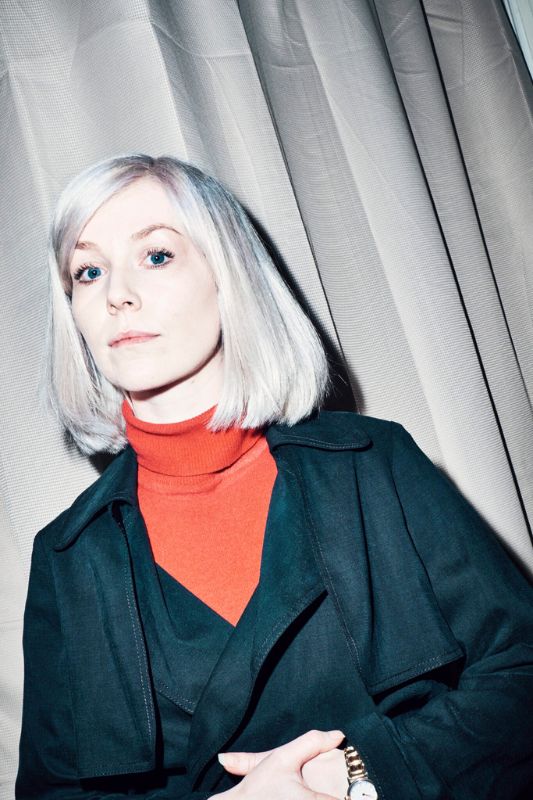
Poet, composer, filmmaker, and visual artist: Ásta Fanney Sigurðardóttir brings to the Biennale a practice that blends text, sound, and image in performances where the boundary between the conscious and unconscious dissolves.
The Icelandic pavilion moves to a new venue, the former 19th-century shipyards of San Pietro di Castello, where the Reykjavík artist builds an immersive environment made of temporal portals, objects charged with meaning—amulets, talismans—and performative actions that traverse the space. “Imagination is an undervalued source, a capacity for infinite possibilities,” states Sigurðardóttir, who treats language as living matter, almost a spiritual act, producing dreamlike vocal structures open to hidden layers of meaning.
KOSOVO
- Title: Hard Teeth
- Venue: Chiesa di Santa Maria del Pianto, Fondamenta Nove, Castello
- Artist: Brilant Milazimi
- Curator: José Esparza Chong Cuy
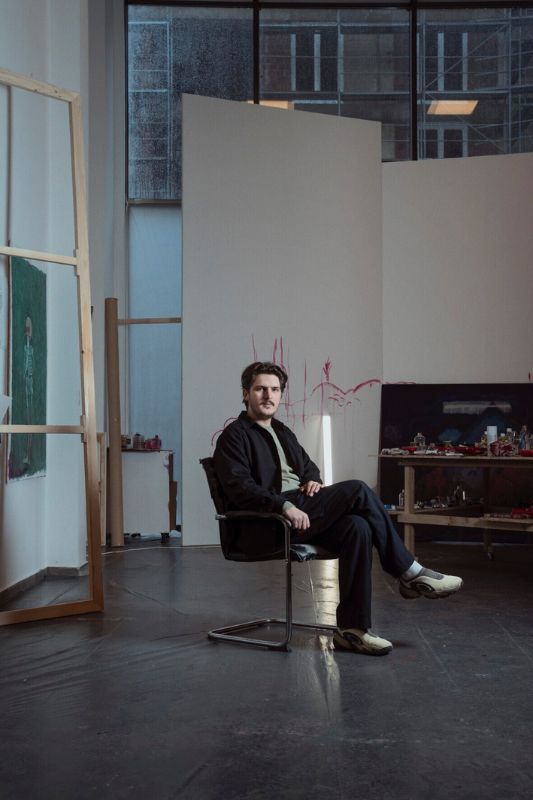
For the first time, Kosovo brings a painter to the Biennale: Brilant Milazimi, winner of the 2020 Kosovar Young Visual Artist Award, will exhibit a 17 m canvas mounted on a self-supporting structure depicting a row of figures crowded on mountainous terrain. The project investigates waiting as a political and physical condition, reflecting Kosovo’s state of partial recognition on the international stage.
LITHUANIA
- Title: Animism sings anarchy
- Venue: SUMUS – Fucina del Futuro, Castello 5063/B
- Artist: Eglė Budvytytė
- Curator: Louise O’Kelly
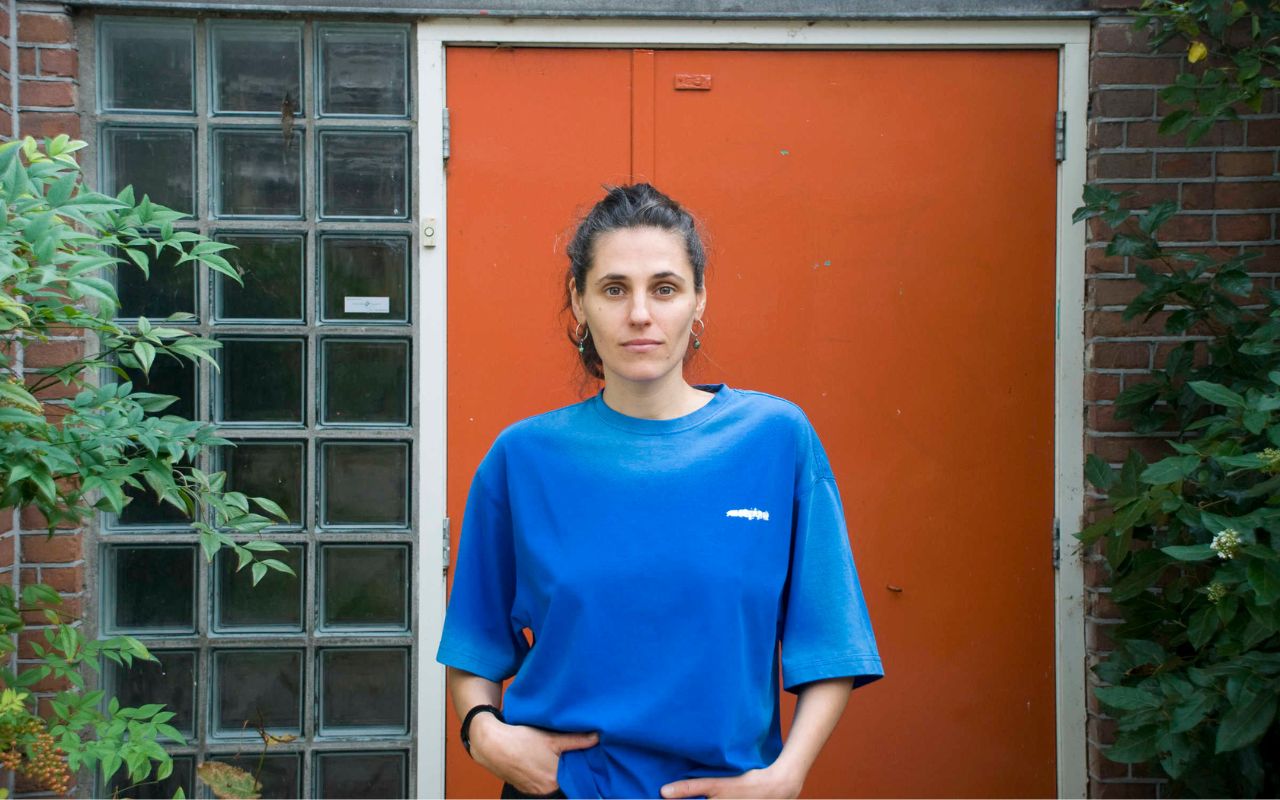
Lithuanian archaeologist Marija Gimbutas studied Neolithic societies where women ruled and the sacred was mixed with everyday life. Eglė Budvytytė transforms these theories into a film with choreographic scenes shot among the rivers, limestone quarries, and clay of Lithuania, where bodies and landscape merge through rituals and songs.
SLOVENIA
- Title: Soundtrack for an Invisible House
- Venue: Campo della Tana 2169/F, Castello
- Artists: Nonument Group (Neja Tomšič, Martin Bricelj Baraga, Nika Grabar, Miloš Kosec)
- Curator: Nataša Petrešin-Bachelez
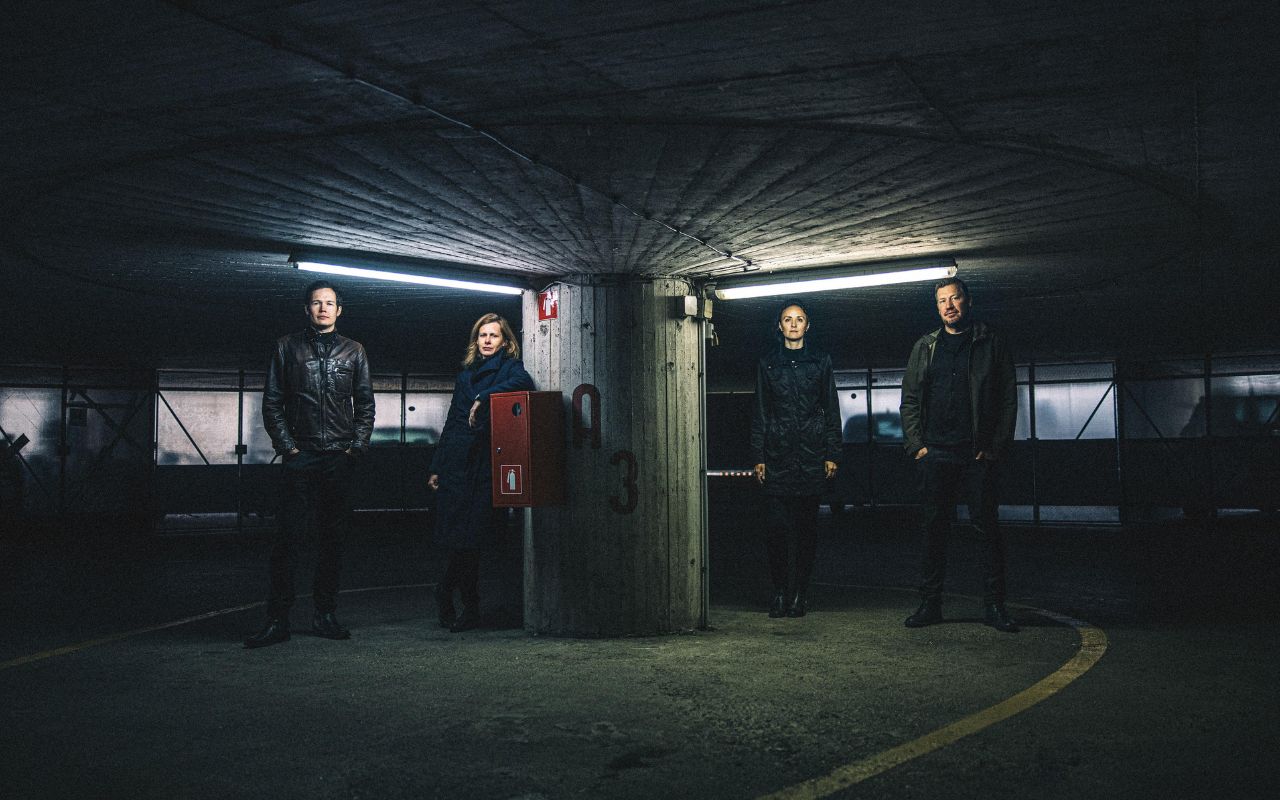
The Nonument Group collective works on the ruins of the first mosque built in Slovenia in 1916 in Log pod Mangartom by Bosnian Muslim soldiers of the Austro-Hungarian army during World War I. The mosque was demolished in the 1920s after the soldiers returned home and the territory passed to Italy.
The project uses testimonies, archival documents, and performative actions to show how a building changes meaning when political and social conditions shift, opening a reflection on religion, military infrastructure, ruins, and empires in the contemporary era of historical reparations.
PAKISTAN
- Title: Punj•AB – A Sublime Terrain
- Venue: 193 Gallery Venice – Ex Farmacia Solveni, Dorsoduro 993
- Artist: Faiza Butt
- Curator: Beatriz Cifuentes Feliciano
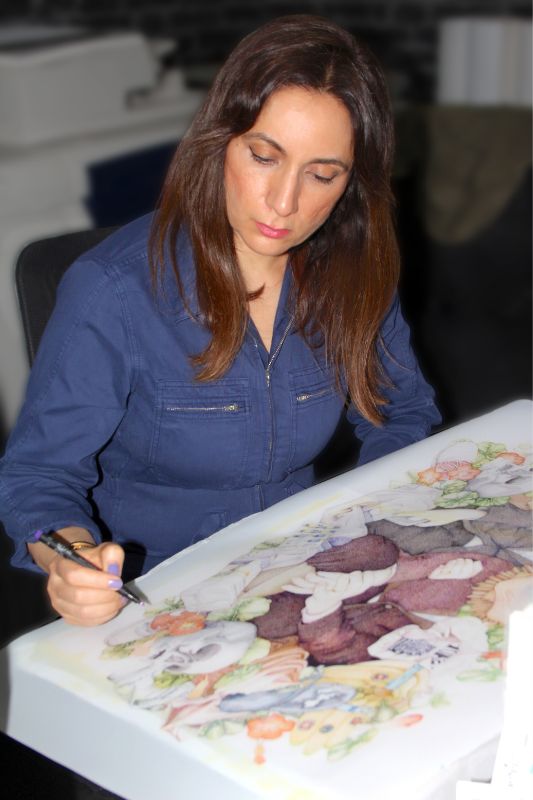
Pakistan’s second participation in the Biennale Arte after its 2019 debut, with Faiza Butt presenting Punjab, a historical region divided between India and Pakistan in 1947 when the British left the subcontinent, drawing borders that separated communities, families, and territories. The artist works with photography, embroidery, and ceramics—techniques that museums and galleries have always classified as craft and that Butt exhibits as contemporary art.
SAN MARINO
- Title: Sea of Sound
- Venue: Tana Art Space, Fondamenta de la Tana 2111 – a former wood and coal warehouse converted into a space for contemporary art
- Artist: Mark Francis
- Curator: Luca Tommasi
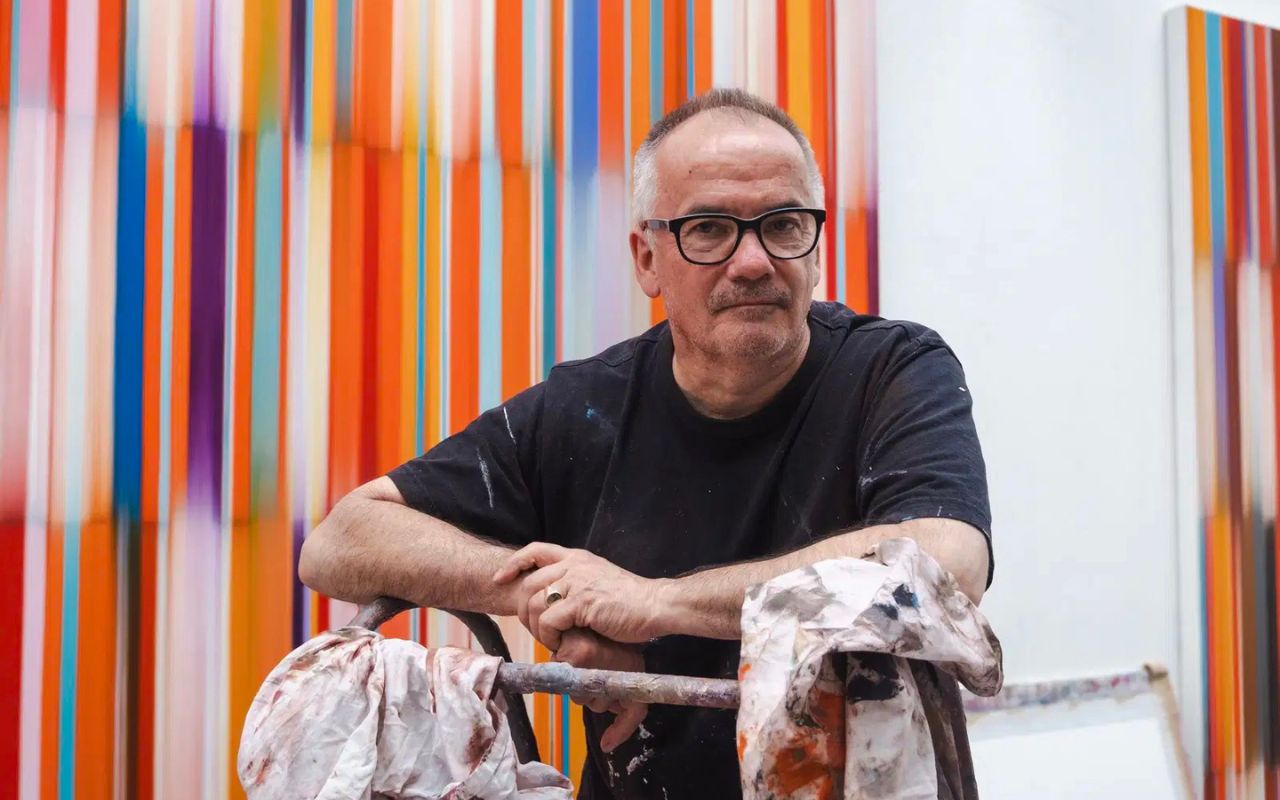
Mark Francis translates sound frequencies into abstract painting, transforming the exhibition space into a listening field where vision becomes vibration.
The pavilion is divided into two rooms: the first hosts the projection Listening Field, while the second houses new large-format paintings on canvas and aluminum—soundscapes that invite the perception of the world’s invisible echo.
ZIMBABWE
- Title: Second Nature | Manyonga
- Venue: Chiesa della Pietà, Santa Maria della Visitazione, Castello 3701
- Artists: Gideon Gomo, Eva Raath, Felix Shumba, Franklyn Dzingai, Pardon Mapondera
- Curator: Fadzai Veronica Muchemwa
The title and the word “Manyonga” in the Shona language signify the ability to transform in order to survive: five Zimbabwean artists bring sculpture, painting, and installation to tell the story of what it means to resist and adapt when everything around is uncertain.
The other pavilions in the city
- SYRIAN ARAB REPUBLIC – IUAV of Venice, Cotonificio, Dorsoduro 2196
- REPUBLIC OF AZERBAIJAN – Campo della Tana, Castello 2124/A, Castello 2125
- BOSNIA AND HERZEGOVINA – Palazzo Malipiero, San Marco 3198
- BULGARIA – Sala Tiziano, Centro Culturale Don Orione Artigianelli, Zattere 919
- REPUBLIC OF CAMEROON – Palazzo Canal, Dorsoduro 3121
- DEMOCRATIC REPUBLIC OF THE CONGO – Ancient Refectory, Scuola Grande di San Marco
- CROATIA – Palazzo Zorzi, Salizada Zorzi 4930
- CUBA – Il Giardino Bianco – Art Space, Castello 1814
- ETHIOPIA – Palazzo Bollani, Castello 3647
- GEORGIA – Palazzo Querini, Calle Lunga San Barnaba 2691
- GRENADA – Spazio Berlendis, Cannaregio 6301/A
- GUATEMALA – Spazio Berlendis, Cannaregio 6301
- REPUBLIC OF GUINEA – Island of San Servolo
- REPUBLIC OF EQUATORIAL GUINEA – Palazzo Donà dalle Rose, Cannaregio 5038 / 5101
- REPUBLIC OF HAITI – Palazzo Albrizzi-Capello, Cannaregio 4118
- INDONESIA – International School of Graphics, Cannaregio 1798
- REPUBLIC OF KAZAKHSTAN – Naval History Museum, Castello 2148
- REPUBLIC OF KYRGYZSTAN – Former Church of Santa Caterina, Cannaregio 4941
- REPUBLIC OF NORTH MACEDONIA – Former Buon Pastore Chapel, Castello 77
- REPUBLIC OF MOLDOVA – Spazio Santa Veneranda, Church of Saints Geremia and Lucia
- MONGOLIA – Squero Castello, Salizada Streta 368
- MONTENEGRO – Artenova, Castello 5063
- REPUBLIC OF NAURU – Spazio Castello 3683
- PORTUGAL – Fondaco Marcello
- HOLY SEE – Santa Maria Ausiliatrice Complex + Mystic Garden of the Discalced Carmelites
- SENEGAL – Palazzo Navagero, Riva degli Schiavoni 4145
- REPUBLIC OF SIERRA LEONE – Liceo Guggenheim, Dorsoduro 2613
- FEDERAL REPUBLIC OF SOMALIA – Palazzo Caboto, Via Garibaldi 1645
- UGANDA – Palazzo Navagero Gallery, Riva degli Schiavoni 4147
- SOCIALIST REPUBLIC OF VIETNAM – Ca’ Faccanon, San Marco 5016
Learn more about the national participations at the:
GIARDINI
ARSENALE
COLLATERAL EVENTS
Article by Lucia Pecoraro.
Cover photo by Settimo Cannatella.
Photos provided by the respective artists or pavilions.

