National Pavilions Participating in the Art Biennale 2026
The Giardini della Biennale host twenty-nine permanent national pavilions built from 1907 onwards, when the success of the early editions of the Biennale led to the creation of spaces dedicated to individual countries. Some pavilions are designed by renowned architects such as Josef Hoffmann for Austria, Gerrit Thomas Rietveld for the Netherlands, Alvar Aalto for Finland, and Carlo Scarpa for Venezuela.
Discover the pavilions participating in the 61st International Art Exhibition of the Venice Biennale, In Minor Keys by Koyo Kouoh.
AUSTRALIA
- Title
- Conference of one’s self
- Artist
- Khaled Sabsabi
- Curator
- Michael Dagostino
Spirituality, migration, and identity: Khaled Sabsabi’s research is developed through an immersive installation that combines sound, images, and light to create a space for collective meditation.
The title references the Persian mystical poem The Conference of the Birds, a central text in the Sufi tradition, which recounts the journey of a group of birds in search of spiritual guidance. In the pavilion, this narrative structure becomes a reflection on inner experience and the relationship between individual and community.
AUSTRIA
- Title
- Seaworld Venice
- Artist
- Florentina Holzinger
- Curator
- Nora-Swantje Almes
Choreographer Florentina Holzinger develops her research on water, transforming it for the first time into an exhibition format: aquatic creatures from myths and classical tales (nymphs, sirens, Nereids, Ophelia) become the starting point for imagining a possible future for Venice.
The project includes permanent installations in the pavilion and site-specific actions in the lagoon, continuing the Études series that Holzinger has been creating in urban public spaces since 2020 to investigate the relationship between body, machines, and water.
BELGIUM
- Title
- IT NEVER SSST
- Artist
- Miet Warlop
- Curator
- Caroline Dumalin
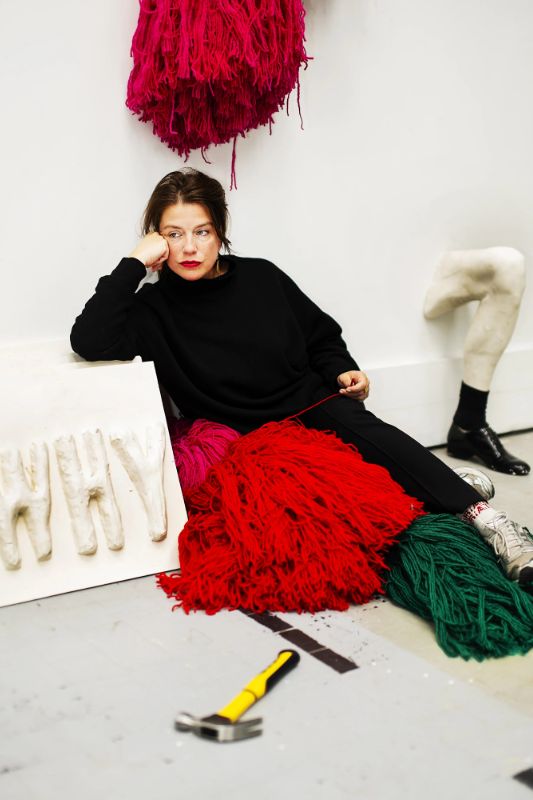
Three performers dressed as cheerleaders work daily in a space resembling a fan room. They fill molds on the floor with plaster to create raised words that become sculptures. The audience can walk among these sculptures, dance, and sing along with the performers, accompanied by electronic music by Micha Volders. The music is curated by DEEWEE, the label of the Dewaele brothers from Soulwax and 2manydjs.
This is the first time a performance artist has represented Belgium at the Venice Biennale, and Miet Warlop is known for shows that blend visual art and theater, such as One Song presented at the Avignon Festival in 2022, where sport became a ritual for processing grief.
BRAZIL
- Title
- Comigo ninguém pode
- Artists
- Rosana Paulino and Adriana Varejão
- Curator
- Diane Lima
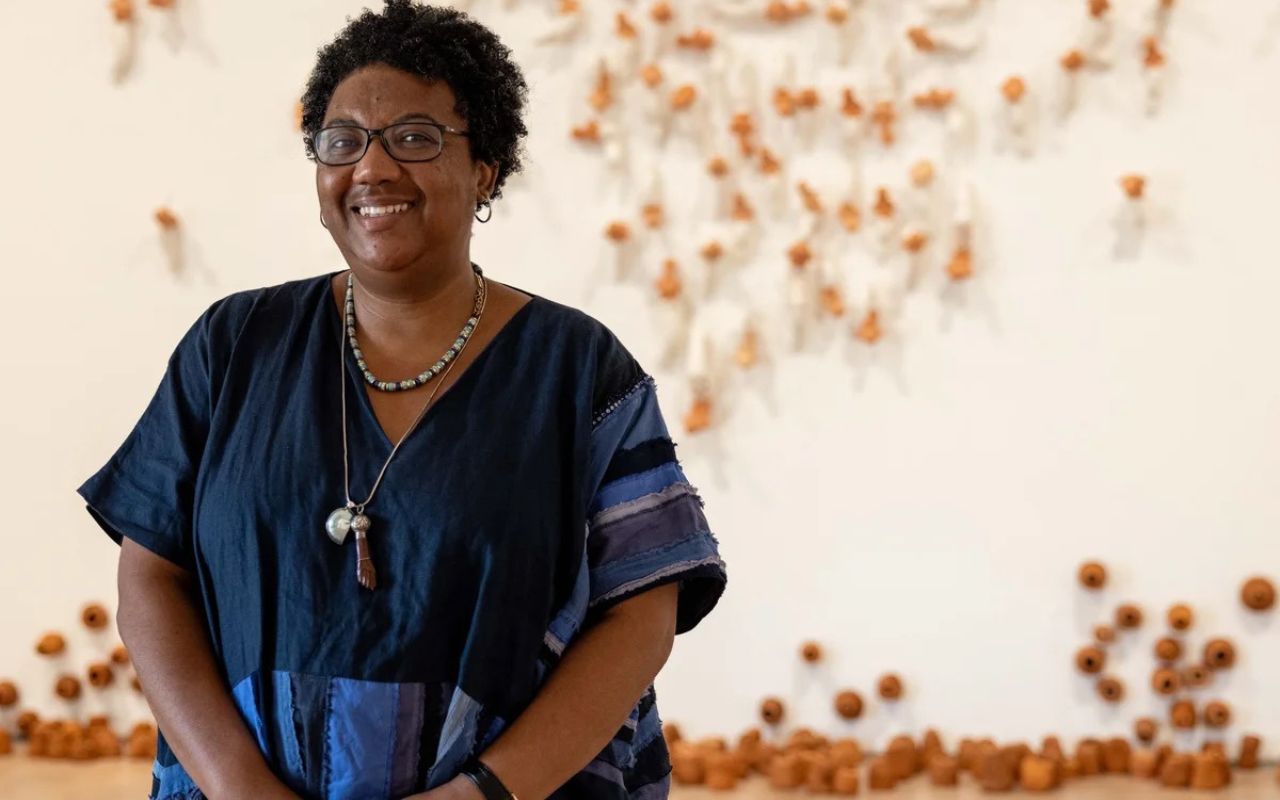
The title in Portuguese means No One Can Handle Me and is also the name of Dieffenbachia, a tropical plant known for its toxic sap that paralyzes the vocal cords. The exhibition explores protection, toxicity, and resilience through a dialogue between two artists who share research on the colonial wound.
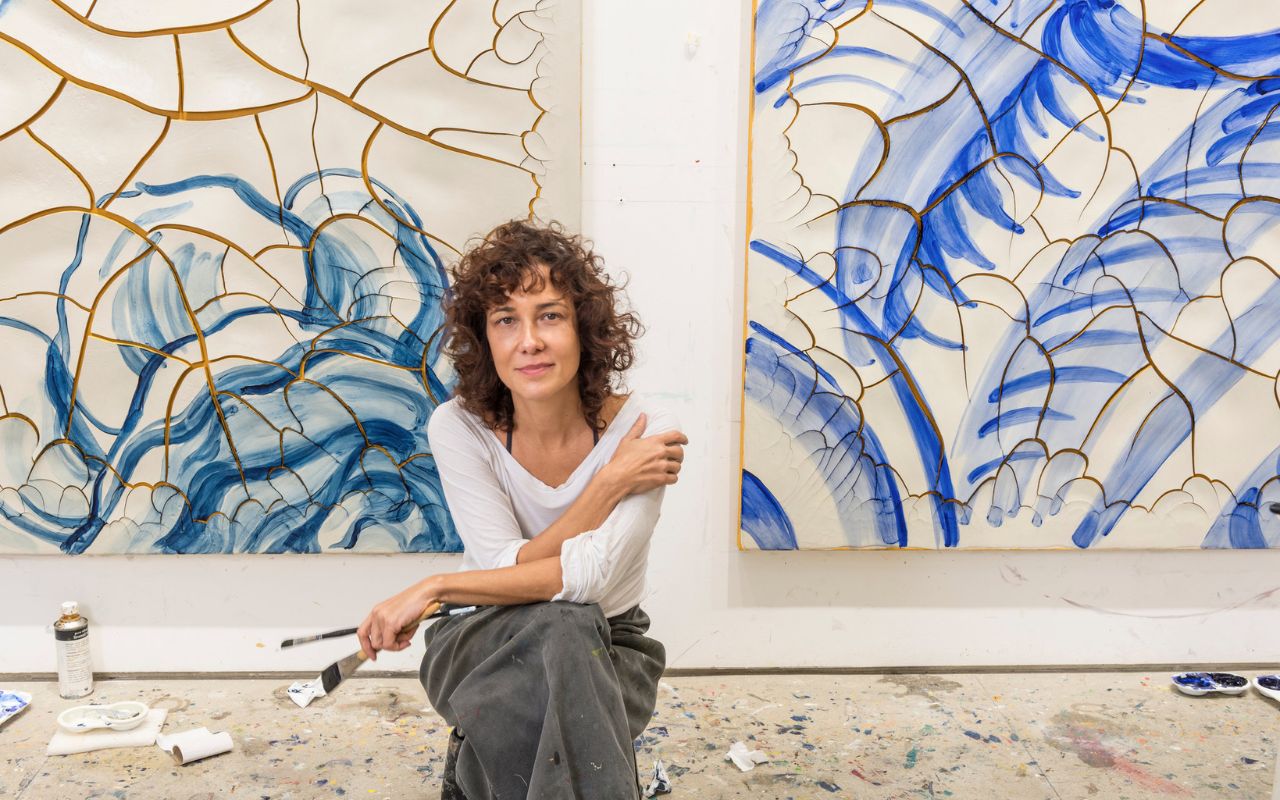
Rosana Paulino investigates Afro-Brazilian identity and the representation of Black women through sewn fabrics, photographs on padded cloth, and installations that recover memories erased by slavery. Adriana Varejão works with blue and white ceramic tiles (azulejos) brought to Brazil by Portuguese colonizers: she paints them, cracks them, and reveals beneath them sculptures that resemble bleeding flesh, as if the building were a wounded body exposing its internal organs.
CANADA
- Title
- Abbas Akhavan: Entre chien et loup
- Artist
- Abbas Akhavan
- Curator
- Kim Nguyen
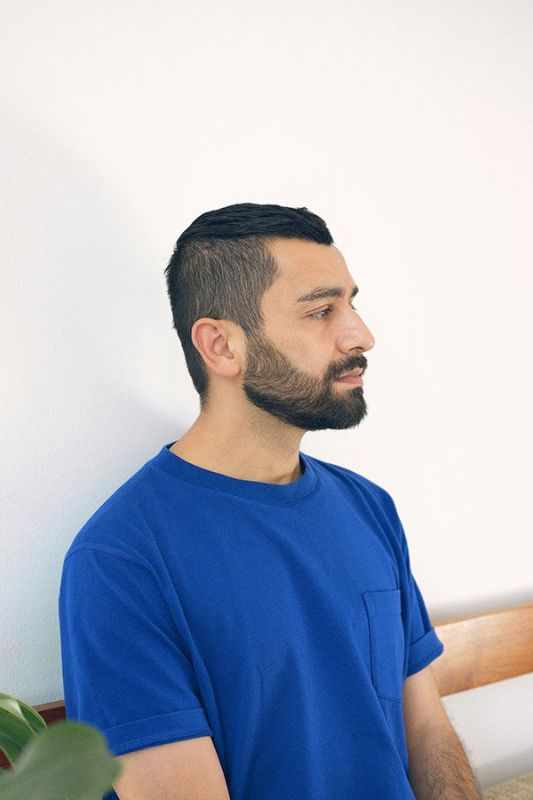
Installations that recreate cultural sites affected by international conflicts: the looted National Museum of Iraq, the columns of Palmyra destroyed by war. Akhavan uses barley straw, clay, and living plants to construct temporary architectures that question geopolitical control over historical narratives and the online circulation of images of devastation.
Born in 1977, he has lived in Canada for thirty years between Montreal and Berlin. He won the Sobey Art Award in 2015, and in November 2026, during the Biennale, the Walker Art Center in Minneapolis will dedicate a retrospective to him.
SOUTH KOREA
The project takes its name from Liberation Space, the historical period of the three years following Korea’s liberation from Japanese colonialism, to respond to the recent declaration of martial law in the country.
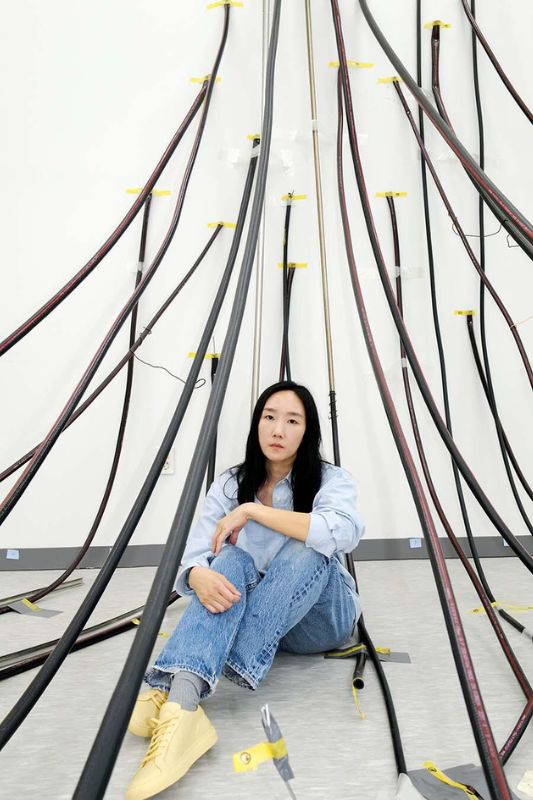
Goen Choi, winner of the Frieze Seoul Artist Award 2024, collects abandoned industrial materials from the outskirts of Seoul (copper pipes, air ducts, appliances) and transforms them into sculptures that traverse the boundaries between the interior and exterior of the building.
Hyeree Ro, between Brooklyn and Seoul, creates performances in mixed English and Korean where objects and body connect through fragmented language, recounting her experience of migration, distance, and family memory.
The pavilion uses the spatial metaphors of “fortress” and “nest” to explore protection and vulnerability, hosting multiple voices through a program of dialogue and connection.
DENMARK
- Title
- Things to Come
- Artist
- Maja Malou Lyse
- Curator
- Chus Martínez
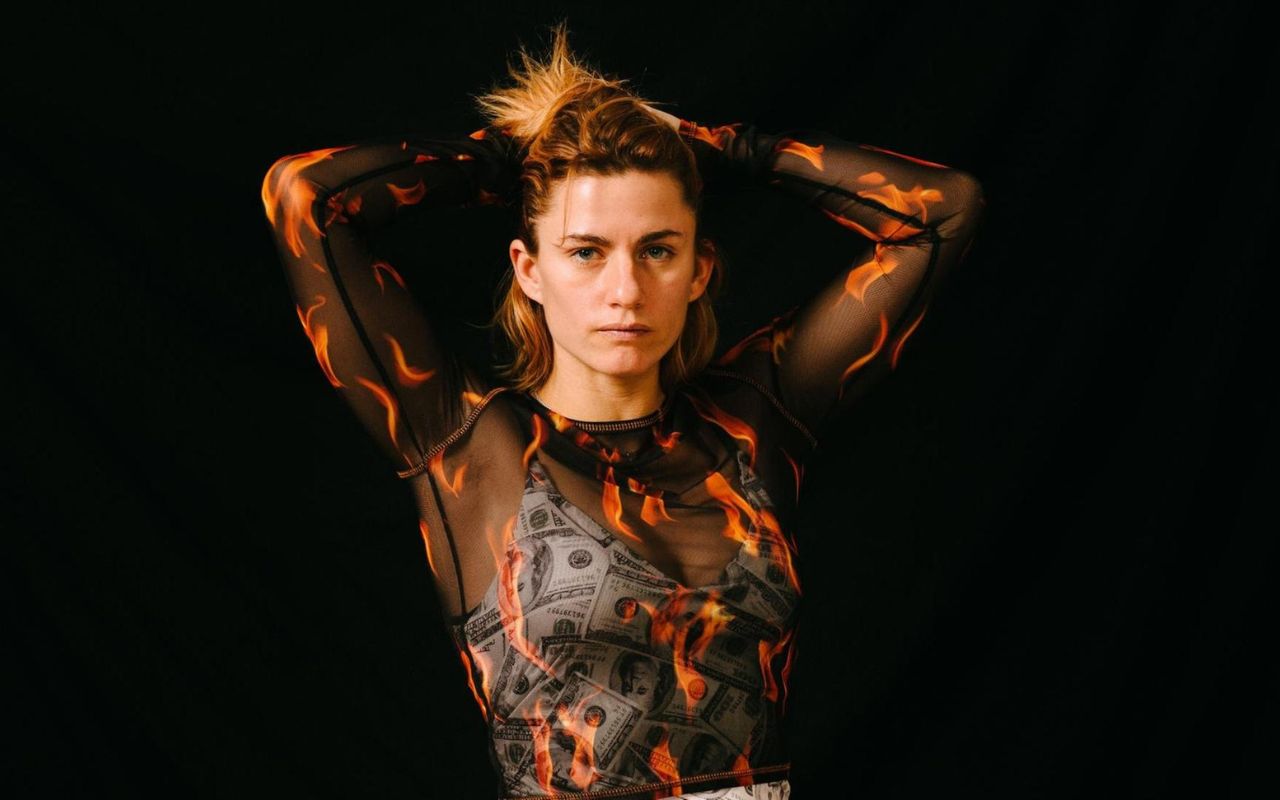
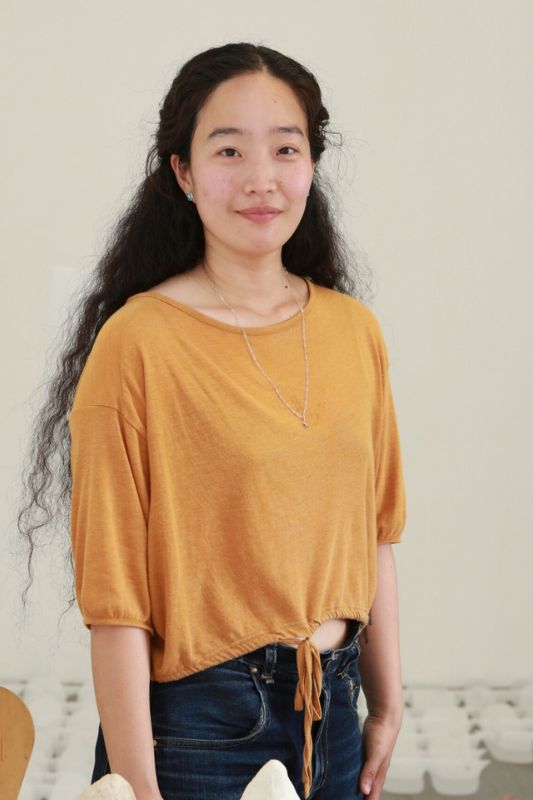
The youngest artist to represent Denmark works on sexual politics and contemporary material culture, investigating how media and digital platforms shape desires and bodies.
She has stated that she wants to give the Biennale “a bit of sex appeal“, thus anticipating a direct approach to body representation. The project for the Pavilion is composed of three seemingly distant themes: fertility science, pornography, and science fiction imagery, to answer a question: How do these languages collaborate in shaping our idea of the future?
Lyse uses video, installations, and performances where she is simultaneously subject, object, and observer, mixing satire and pop aesthetics.
In 2022 she created Antibodies, a video where she questions whether it is the era that defines the pleasures we experience or whether it is the pleasures that define the era. From 2018 to 2019 she hosted Sex med Maja, a program on sexuality broadcast by Danish national television.
She has over 44,000 followers on Instagram where she posts as @habitual_body_monitoring2.
EGYPT
- Title
- Pavilion of Silence: Between the Tangible and the Intangible
- Artist and curator
- Armen Agop
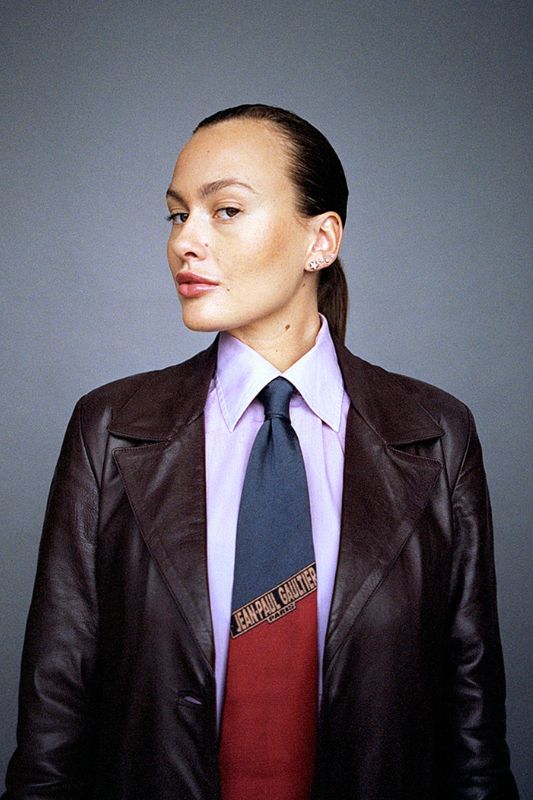
Space, silence, and matter: Armen Agop constructs an environment where sculpture becomes an instrument of perception. The project brings together works in basalt and black granite hand-carved to achieve polished surfaces and essential forms.
The sculptures originate from blocks of volcanic stone and are progressively reduced to compact, oval geometries. The weight of the material remains perceptible, while the surface reflects light and modifies the relationship between body, space, and visitor movement.
The works act as minimal presences in the pavilion space, where emptiness becomes part of the composition and silence becomes a condition of observation.
FINLAND – national pavilion designed by Alvar Aalto
- Title
- Aeolian Suite
- Artist
- Jenna Sutela
- Curator
- Stefanie Hessler
Jenna Sutela works with biological and computational systems to create living sculptures, installations, and sound works, and collaborates with scientists to move beyond individualism and anthropocentrism, considering interconnections at all scales.
Bacteria, microbiomes, artificial neural networks, and planetary ecosystems become her alphabet for exploring where nature and technology blur. The sculptures arise from chance and continuously transform, organisms that breathe and mutate: “live and alive” at the same time.
FRANCE
- Title
- Comme Saturne
- Artist
- Yto Barrada
- Curator
- Myriam Ben Salah
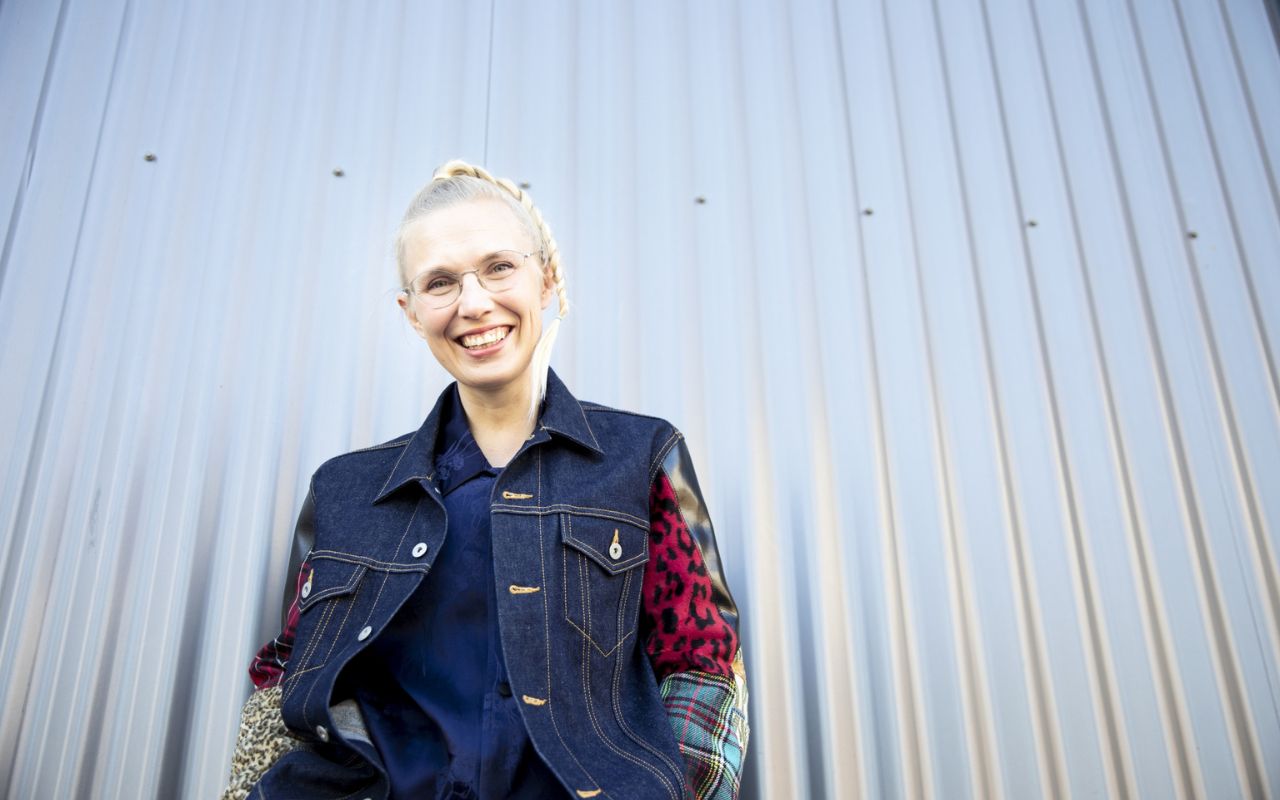
Yto Barrada blends photography, sculpture, and botany to investigate power: how plants become instruments of urban control, how dinosaur fossils travel through illegal trafficking, how alternative pedagogies use play to resist.
She created The Mothership in Tangier, a center where artists and gardeners cultivate dye plants and transmit knowledge through a feminist and ecological approach.
The jury selected her because she “reinvents social sculpture through alternative pedagogies and transforms the canons of modernism into a plural garden, drawing a singular cartography from Paris to Tangier to New York that gathers invisible, fragile, historical, or forgotten voices“.
GERMANY
- Title
- Ruin
- Artists
- Henrike Naumann and Sung Tieu
- Curator
- Kathleen Reinhardt
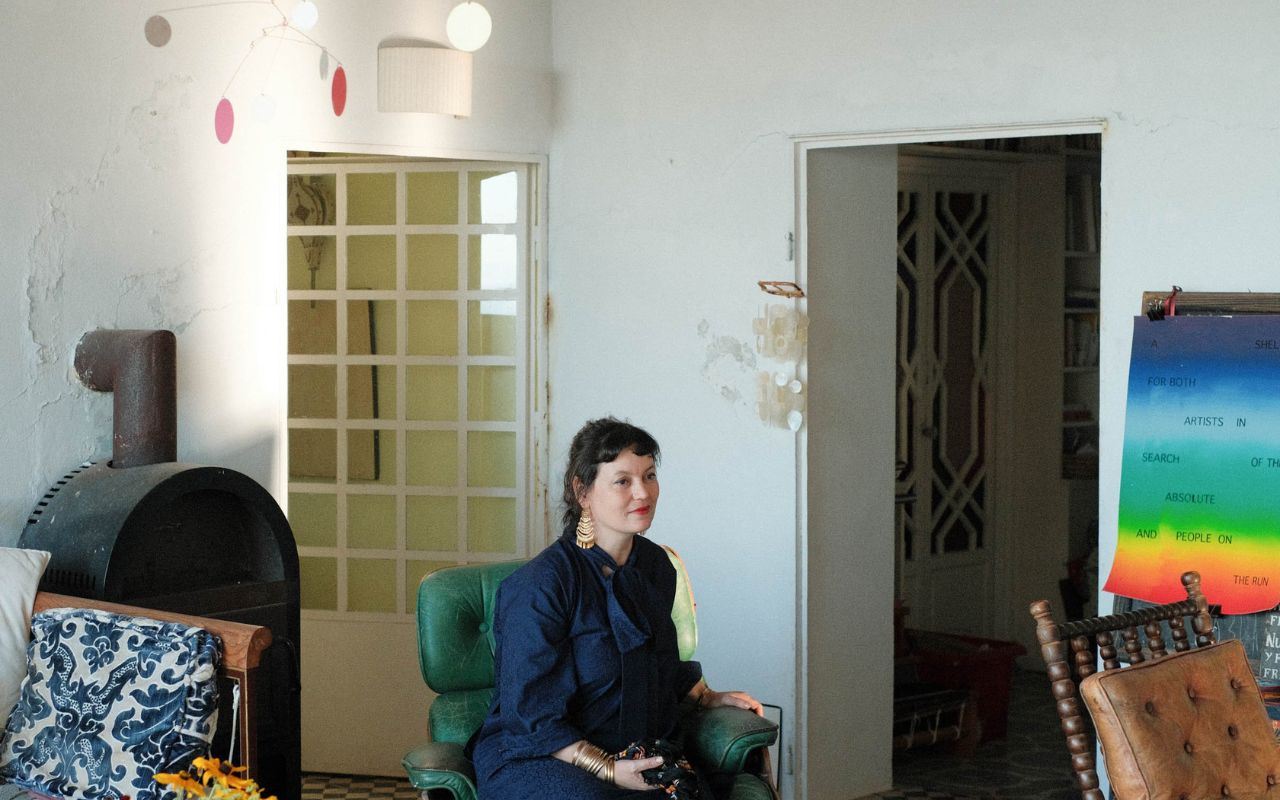
The project emerges “from the perspective of a young generation that places the major themes of the German Pavilion in a completely different system of coordinates“, developing the dialogue between Henrike Naumann’s installations (1984–2026) and Sung Tieu’s research on spaces of power and bureaucratic systems.
GREAT BRITAIN (UK)
- Title
- Predicting History: Testing Translation
- Artist
- Lubaina Himid RA
- Curator
- Ese Onojeruo
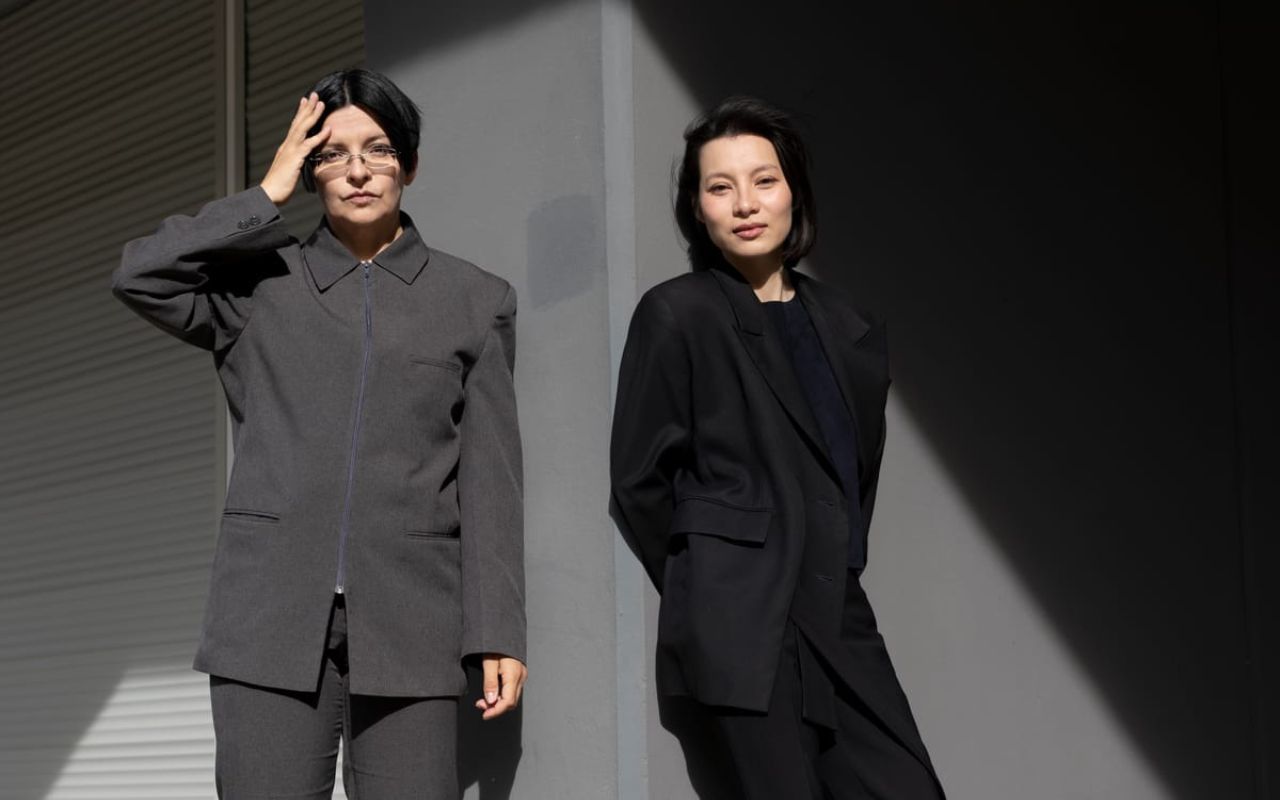
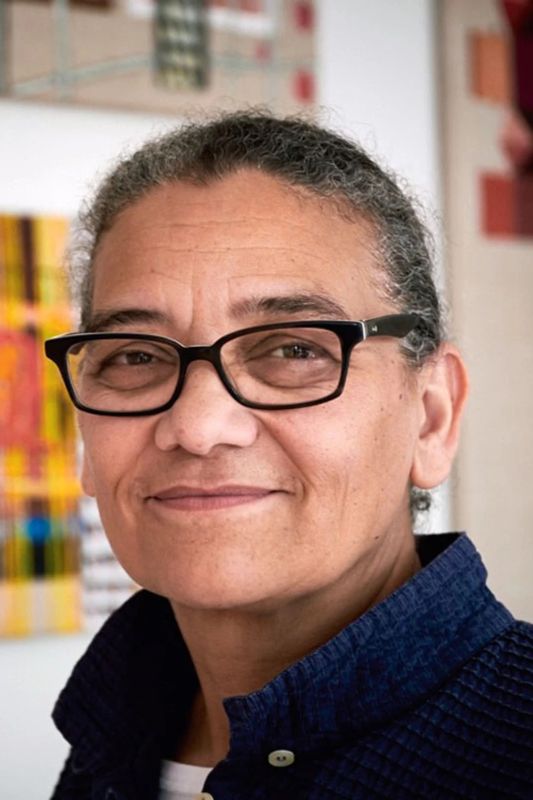
The United Kingdom entrusts its pavilion to artist and visual culture historian Lubaina Himid, a key figure in the Black British Art Movement.
Himid presents in Venice a project of new works conceived for the spaces of the British Pavilion where painting, installation, and sound construct environments that represent historical research, cultural memory, and identity.
Her works tell the stories of Black figures, especially women, erased from Western history: forgotten characters who re-emerge through historical archives, documents, and testimonies that give voice to those excluded from official narratives, challenging for decades the way art history recounts the past.
GREECE
- Title
- Escape Room
- Artist
- Andreas Angelidakis
- Curator
- George Bekirakis
Plato’s cave becomes an escape room where visitors attempt to exit an installation that blends physical reality and digital illusion. Andreas Angelidakis, a Greek-Norwegian architect who stopped designing real buildings to work on virtual spaces, fills the pavilion with his soft ruins: foam sculptures that resemble ruins of Greek columns but are light, soft, and the audience can move them.
The project begins in 1934, the year of the Nazi rise in Europe, to interrogate the present: when reality becomes unbearable, refuge is sought in perfect virtual worlds, without friction, where the boundary between true and false disappears.
JAPAN
- Title
- Grass Babies, Moon Babies
- Artist
- Ei Arakawa-Nash
- Co-curators
- Lisa Horikawa, Mizuki Takahashi
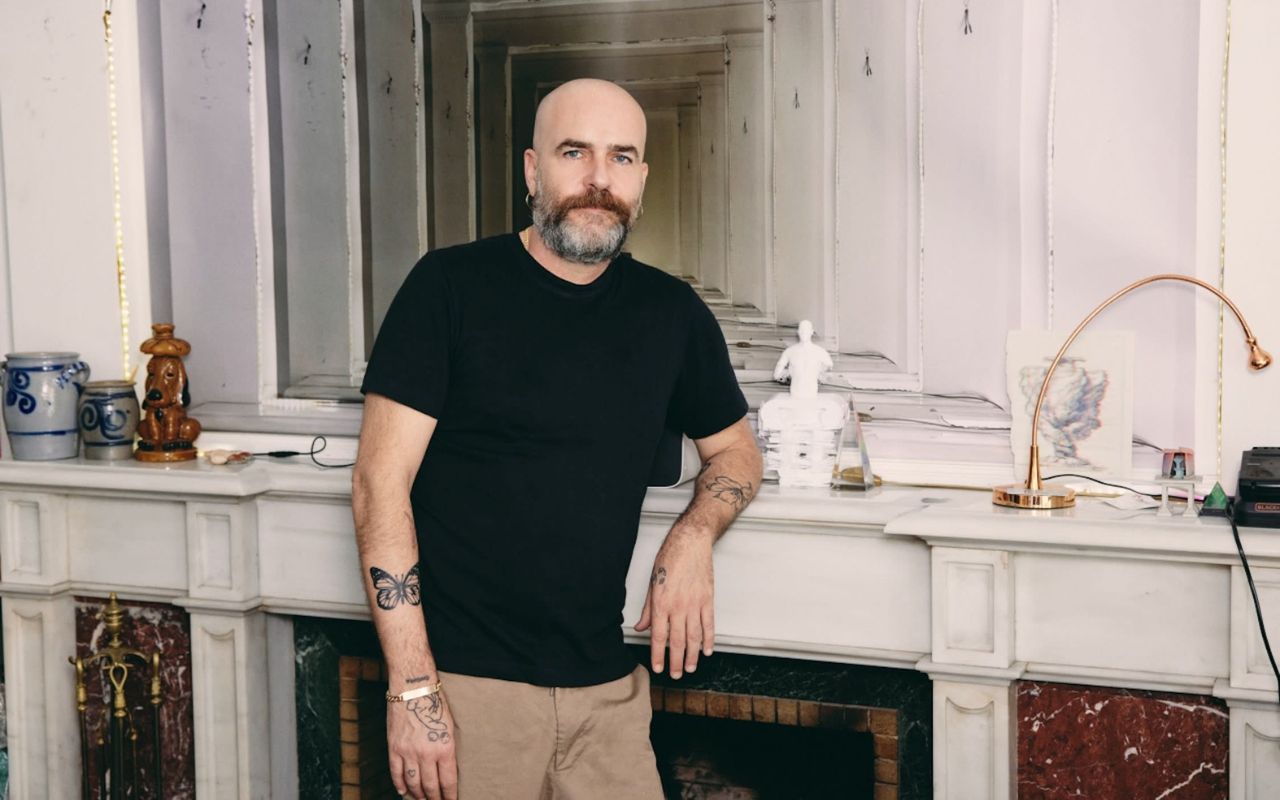
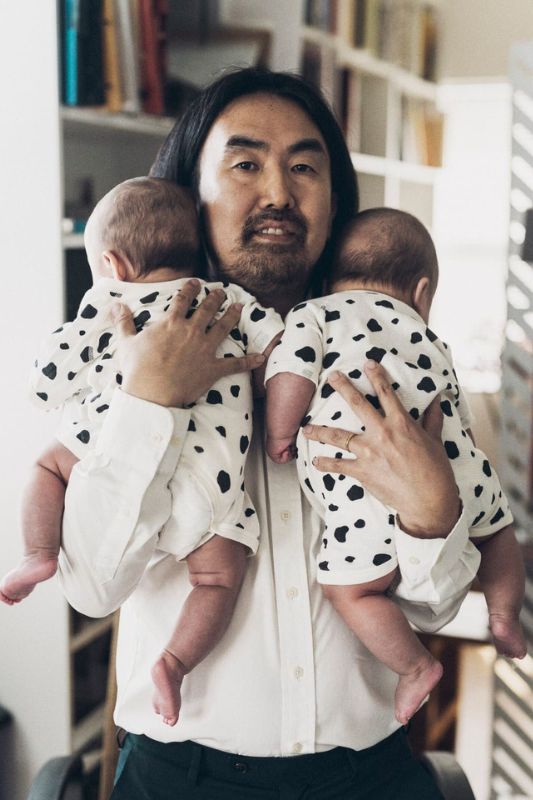
Ei Arakawa-Nash presents in Venice a performance with his newborn twins and dolls to interrogate nationalism and patriarchy from his perspective as a queer father. The project begins with the 1962 film Being Two Isn’t Easy by Natto Wada, which recounts the first two years of a child’s life through his point of view and that of parents dealing with arguments, fatigue, and the responsibilities of raising a child.
Arakawa-Nash has worked for twenty years on collaborative performances where the audience enters the action and becomes part of the work, erasing the distance between those who watch and those who act.
ISRAEL
- Title
- The Rose of Nothingness – title not officially confirmed
- Artist
- Belu-Simion Fainaru
- Curators
- Sorin Heller, Avital Bar-Shay
Memory, exile, and mystical tradition traverse Belu-Simion Fainaru’s research. The project for Venice takes shape from an installation built around a basin of dark water into which drops fall slowly from a network of suspended tubes, generating concentric waves on the surface.
The title refers to Paul Celan’s poetry, particularly the image of “black milk”, a figure that runs through his writing on the European trauma of the twentieth century. The artist relates this imagery to references to the Kabbalah, where creation arises from emptiness and absence.
THE NETHERLANDS
- Title
- The Fortress
- Artist
- Dries Verhoeven
- Curator
- Rieke Vos
Dries Verhoeven transforms the Dutch pavilion into a fortress to show how Europe closes itself within increasingly rigid borders while proclaiming itself open and progressive.
The Dutch artist presents for the first time a performance in the Rietveld Pavilion, a modernist building constructed in the 1950s with the optimism of the postwar period, and modifies the architectural structure, making the building itself the work.
Nordic Pavilion (FINLAND, NORWAY, SWEDEN)
- Title
- How Many Angels Can Dance on the Head of a Pin?
- Artists
- Klara Kristalova, Benjamin Orlow, Tori Wrånes
- Curator
- Anna Mustonen
- Organizers
- Museum of Contemporary Art Kiasma (Finland), Moderna Museet (Sweden), OCA – Office for Contemporary Art Norway
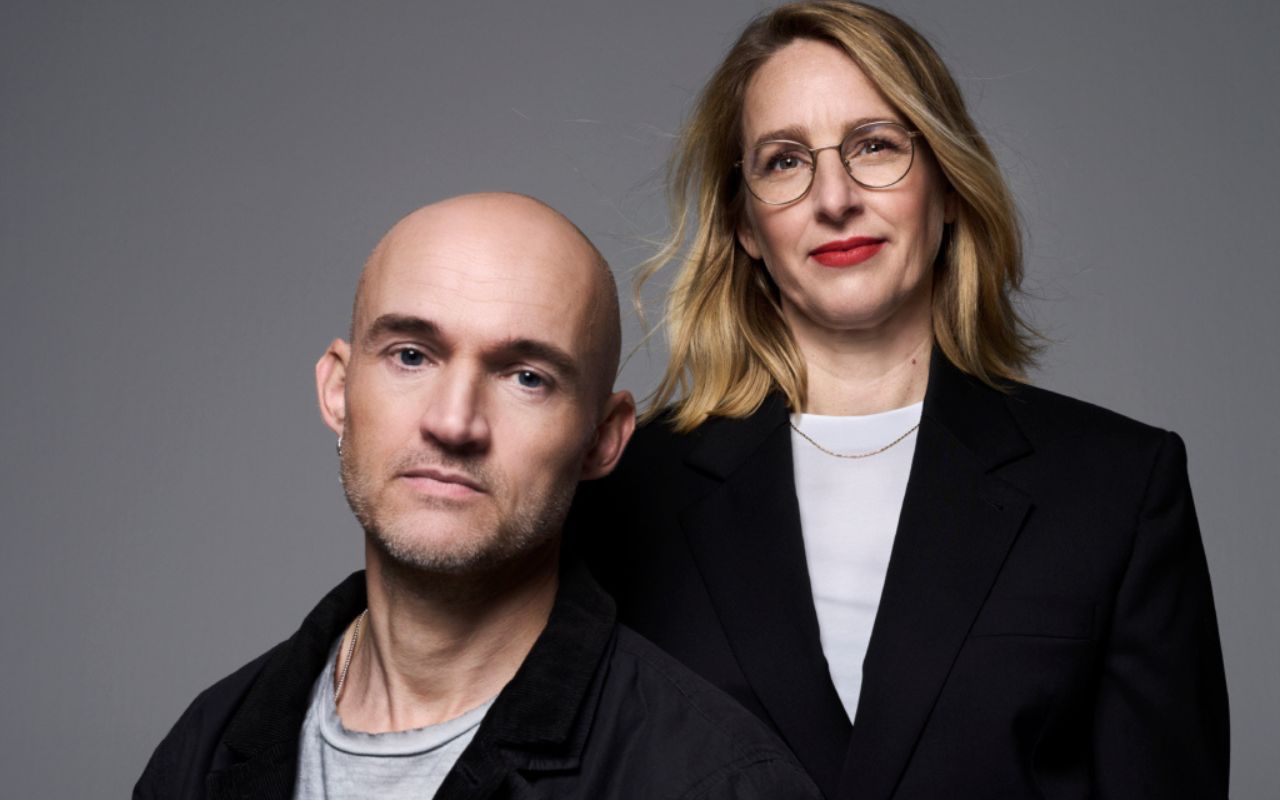
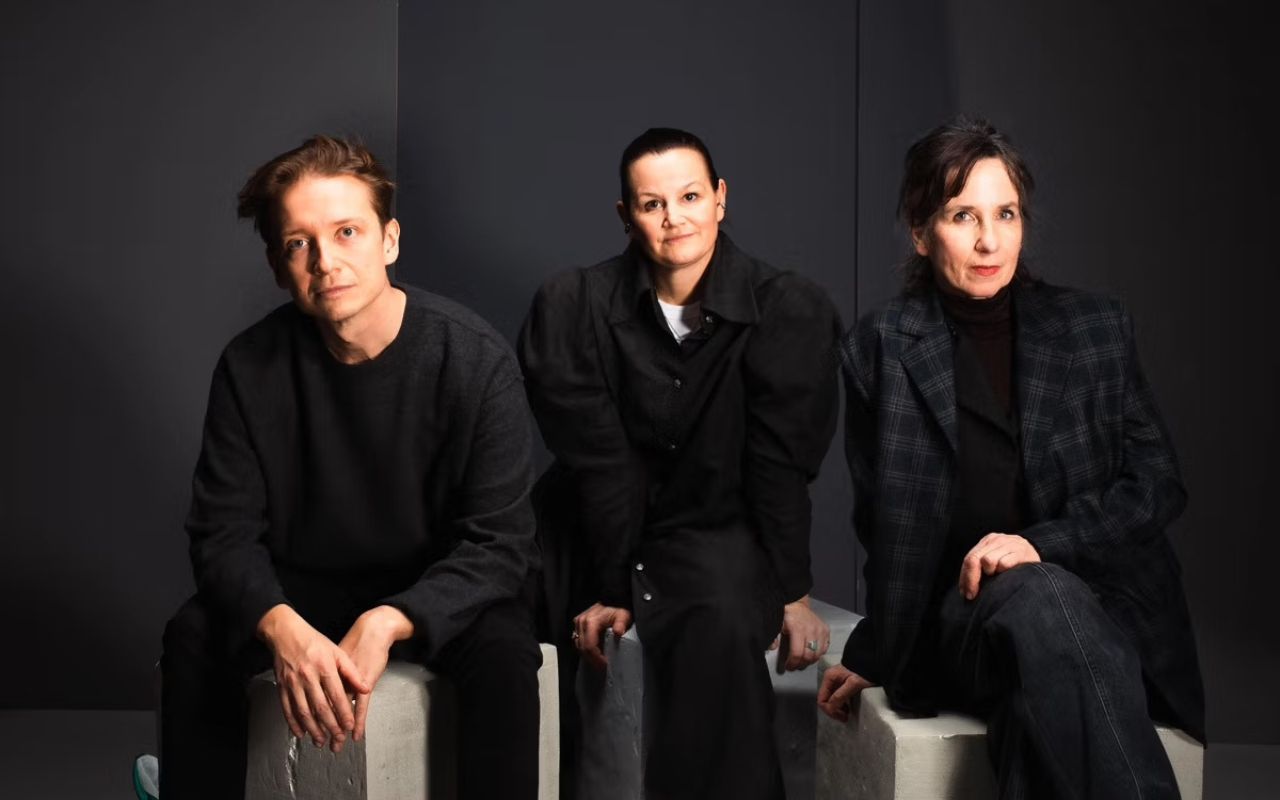
Three Nordic artists connect local mythologies with global themes of identity and cultural survival. Klara Kristalova creates ceramic sculptures where girls transform into hybrid creatures, blending fairy tale and trauma. Benjamin Orlow works with monumental sculptures that explore solitude and metamorphosis. Tori Wrånes combines operatic voice and surreal performances: she sings suspended from a crane, underwater, hanging by her hair, using a non-verbal “troll language” based on rhythm that bypasses rational language.
POLAND
- Title
- Liquid Tongues
- Artists
- Bogna Burska, Daniel Kotowski (with Chór w Ruchu)
- Curators
- Ewa Chomicka, Jolanta Woszczenko
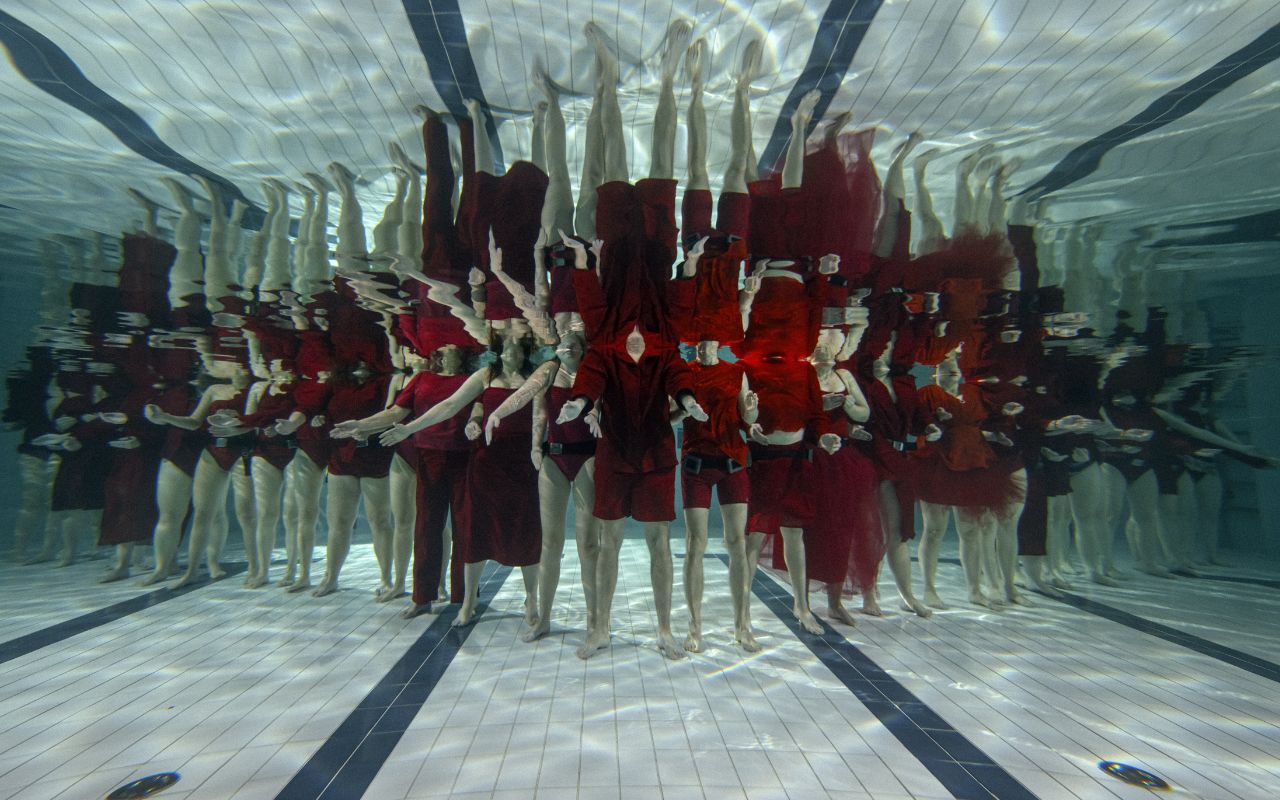
A choir of deaf and hearing people sings whale songs using voice and sign language. Bogna Burska and deaf artist Daniel Kotowski record the performance underwater where sign language functions perfectly while words become distorted, reversing who normally has access to communication. The project begins with the concept of Deaf Gain, where deafness is a sensory and cultural diversity that enriches society with sign language and new communicative modalities.
QATAR
- Title
- Untitled (a gathering of remarkable people)
- Artists
- collective project
- Curators
- Tom Eccles, Ruba Katrib
Qatar’s first presence at the Giardini della Biennale. The project originates from Qatar Museums and is located on the site assigned to the country’s future permanent pavilion, between Alvar Aalto’s Finland pavilion and the Danish pavilion designed by Carl Brummer.
The title refers to the idea of gathering: a group of invited artists works on forms of community, relationship, and cultural exchange. The project takes shape as an open, collective platform, bringing together diverse practices and generations, and anticipates Qatar’s permanent presence at the Giardini, planned with a new building designed by architect Lina Ghotmeh.
CZECH REPUBLIC AND SLOVAKIA – joint pavilion
- Title
- The Silence of the Mole
- Artists
- Jakub Jansa, Selmeci Kocka Jusko (Alex Selmeci and Tomáš Kocka Jusko)
- Curator
- Peter Sit
One hundred years after the inauguration of the Czechoslovak Pavilion, the Czech Republic and Slovakia return together with a project about Krtek the mole, a cartoon character created by Zdeněk Miler in 1956 who raised generations of children in Eastern Europe.
The mole is presented as Mr. M., an exhausted actor who has played the character for decades: once a symbol of childhood innocence, Krtek has become a mascot of cultural diplomacy, a commercial product, a nostalgic myth.
Sent to represent the two countries as a diplomatically acceptable and politically neutral figure, the mole also embodies reproach, silence, and confused identity.
ROMANIA
- Title
- Black Seas – Scores for the Sonic Eye
- Artists
- Anca Benera + Arnold Estefán
- Curators
- Corina Oprea and Diana Marincu
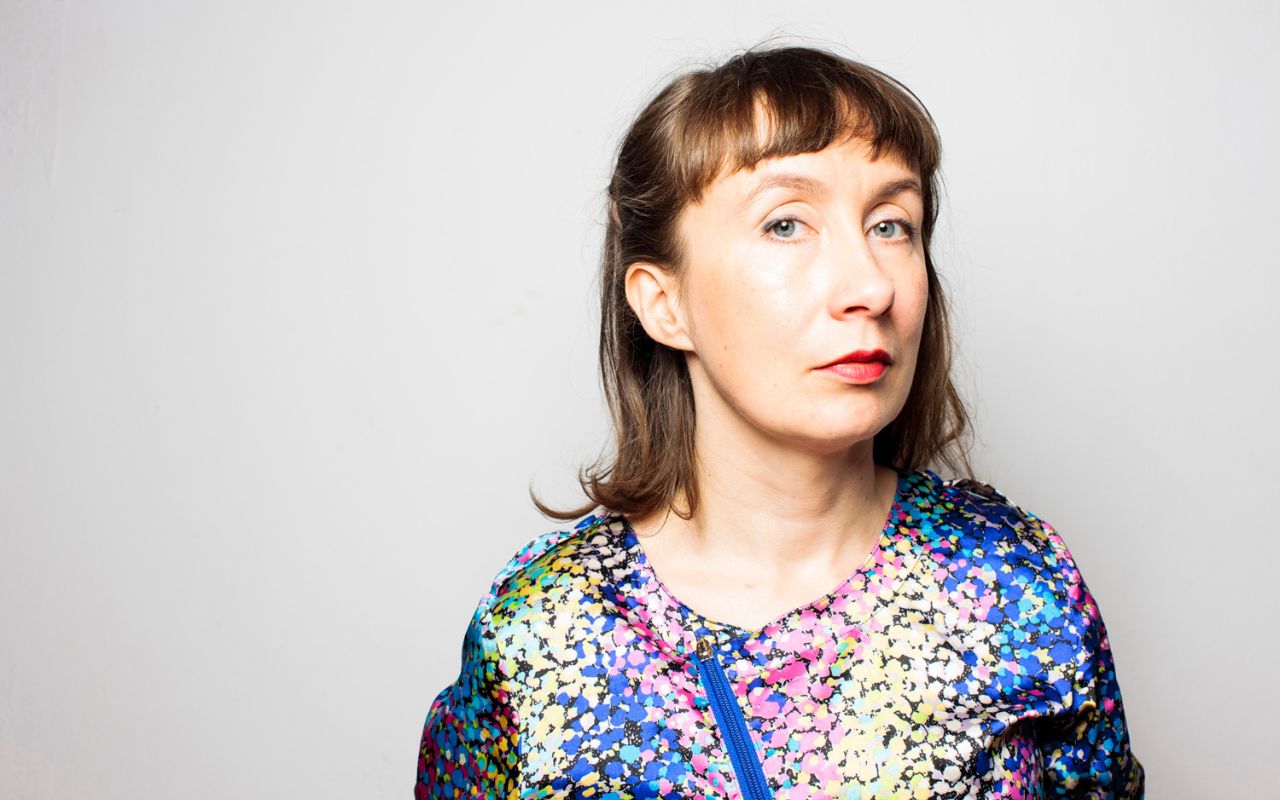
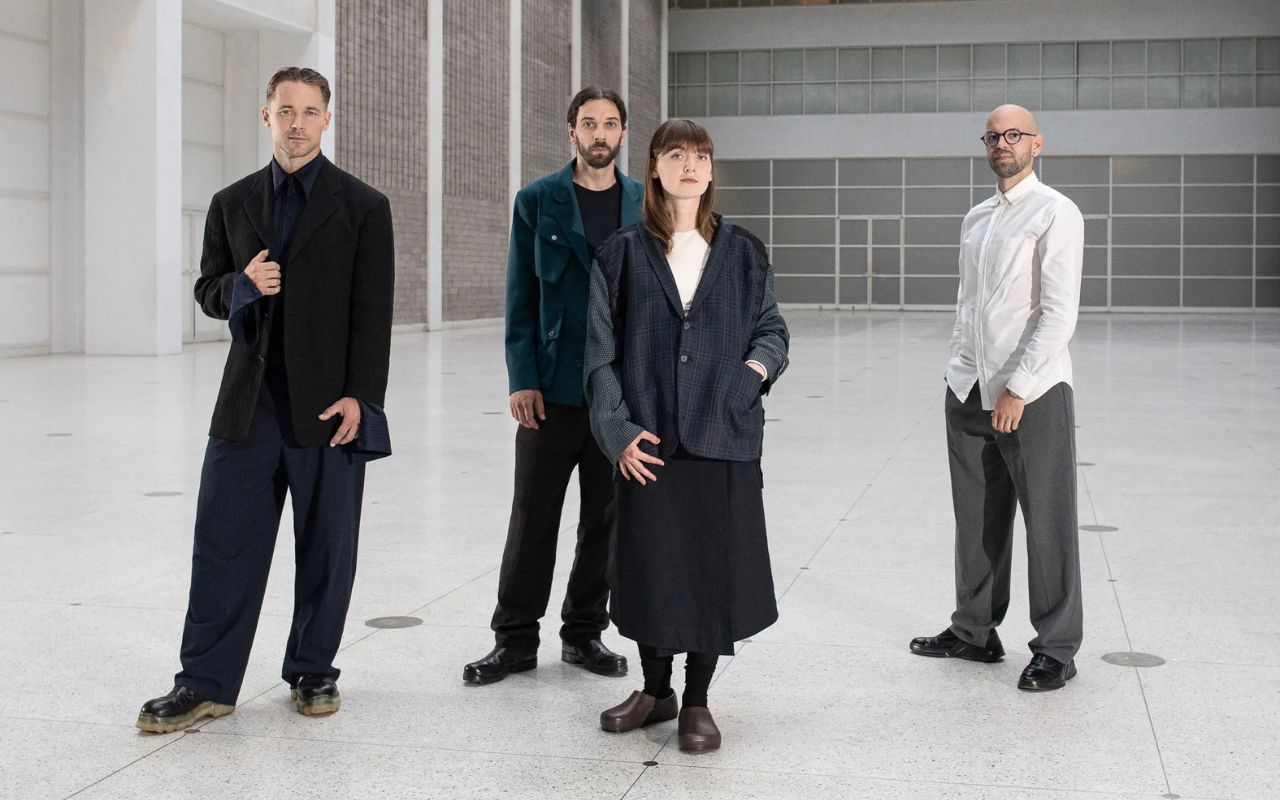
The Black Sea becomes the starting point for reading the history, geography, and political tensions of Eastern Europe. The project by Anca Benera and Arnold Estefán constructs an installation that combines image, sound, and sculpture to observe the sea as an archive of conflicts, trade routes, and environmental transformations.
The work relates the surface of the sea and what remains invisible: currents, energy infrastructures, military routes, and submerged memories.
The pavilion at the Giardini presents a large video-sculptural installation, while a second intervention at the Romanian Institute of Culture and Humanistic Research in Venice deepens the research on the territories surrounding the Black Sea.
RUSSIA
- Title
- The Tree Is Rooted in the Sky
- Artists
- collective project
- Commissioner
- Anastasiia Karneeva
After two editions of absence, the doors of the Russian pavilion reopen with a collective project that brings together over fifty participants including musicians, poets, and philosophers. The title evokes the image of the cosmic tree, a recurring figure in Slavic and Eastern spiritual traditions that describes a symbolic axis between heaven and earth.
The project takes shape as a sonic and performative environment constructed through texts, music, and vocal interventions. The installation uses the space of the pavilion designed in 1914 by Aleksey Shchusev as a place of listening and encounter between different languages.
SERBIA
- Title
- Through Golgotha to Resurrection
- Artist
- Predrag Đaković
- Curator
- Tomáš Koudela
Suffering and transformation take shape in the image of Golgotha, or Calvary, the place located just outside Jerusalem where, according to the Gospels, Jesus Christ was crucified: a metaphor for the passage through pain toward possible rebirth. Figures, religious symbols, and references to European history intertwine to reflect on violence, responsibility, and collective memory.
SPAIN
- Title
- Los Restos (The Remains)
- Artist
- Oriol Vilanova
- Curator
- Carles Guerra
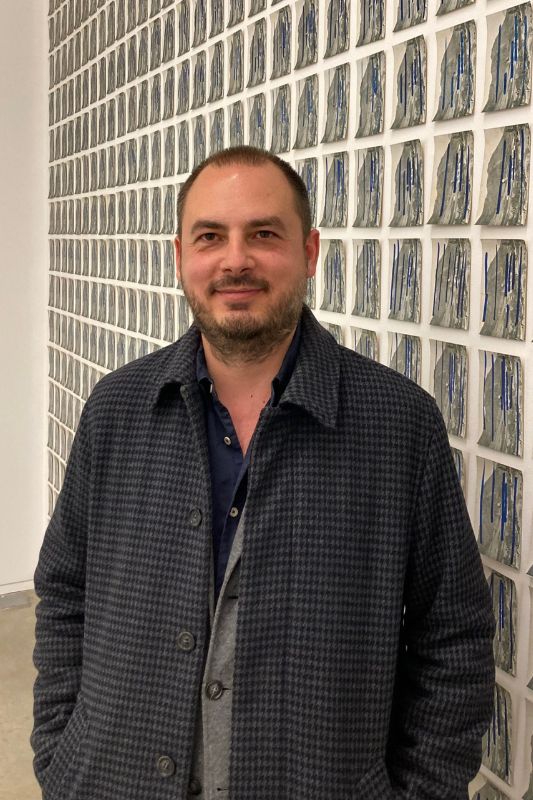
Twenty years spent rummaging through flea markets around the world have led Oriol Vilanova to collect over 75,000 used postcards: abandoned private correspondence, souvenirs of vanished places, images that tell how the world was seen and photographed from the nineteenth century to today.
Entire walls of postcards classified into over one hundred categories and recurring themes—triumphal arches, sunsets, monuments, military portraits, museum galleries—become installations that show how mass images have constructed the collective memory of the twentieth century: they were once the way people remembered trips, monuments, works of art, and now they circulate in flea markets as fragments of abandoned personal stories.
UNITED STATES OF AMERICA
- Title
- Call Me the Breeze
- Artist
- Alma Allen
- Curator
- Jeffrey Uslip
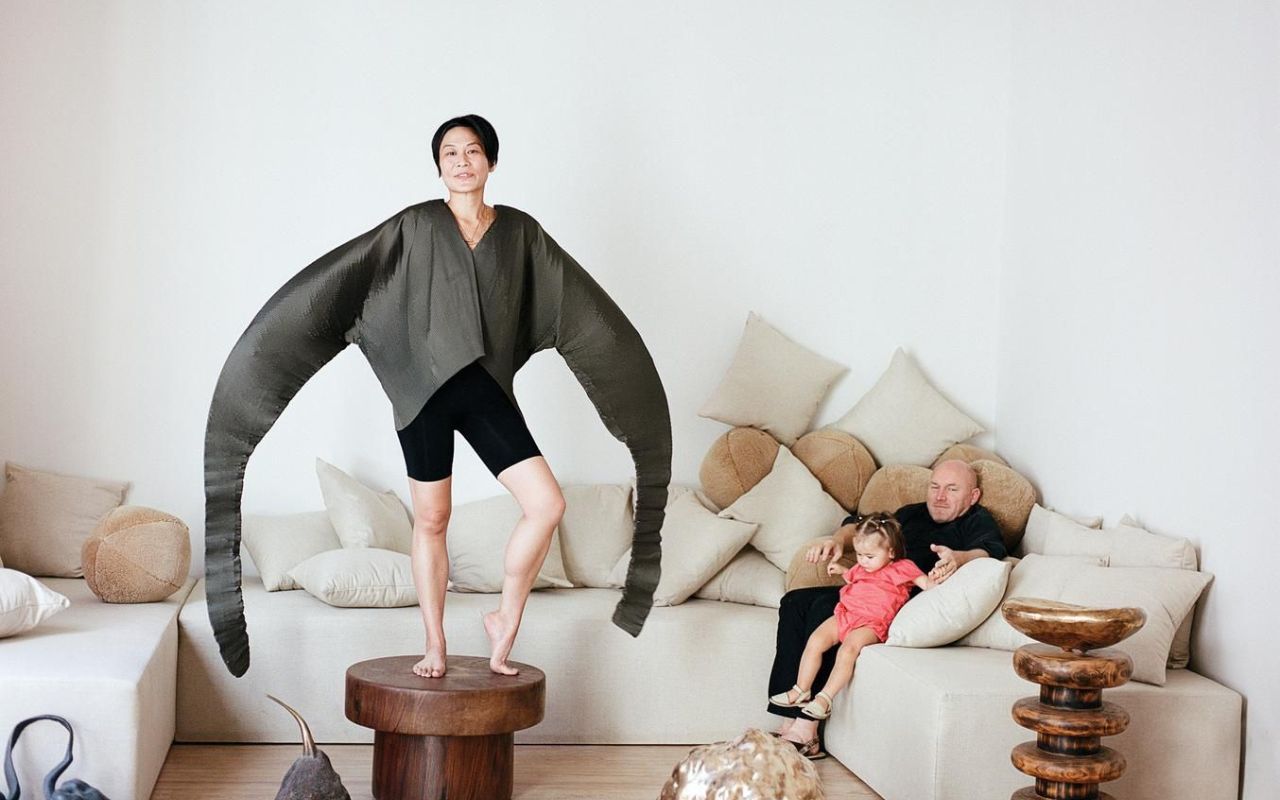
Approximately thirty sculptures in bronze, wood, and stone showcase the working method of Alma Allen, the first self-taught sculptor to represent the United States at the Venice Biennale.
The artist shapes clay prototypes by hand; a robotic arm of his own invention then enlarges them onto blocks of wood and stone gathered from American deserts, after which he resumes control to work on the material’s natural imperfections that alter the final result.
SWITZERLAND
- Title
- The Unfinished Business of Living Together
- Artists
- Collective composed of Gianmaria Andreetta, Luca Beeler, Nina Wakeford, Miriam Laura Leonardi, Lithic Alliance, Yul Tomatala
A collective of six artists and curators represents Switzerland with a project based on the Telearena broadcast of April 12, 1978, a television program where LGBTQ+ individuals publicly debated their condition with conservative opponents for the first time. The broadcast was chaotic and considered a disaster by the media—some participants lost their jobs and others committed suicide—yet it broke a taboo and transformed homosexuality into a public issue.
The collective explores contemporary forms of coexistence, tolerance, and social division by revisiting that historical episode.
HUNGARY
- Title
- Pneuma Cosmic
- Artist
- Endre Koronczi
- Curator
- Luca Cserhalmi
Plastic bags animated by the wind are transformed into living creatures: Endre Koronczi, a leading figure in Hungarian conceptual art since the 1990s, uses the movement of air as his primary medium.
In the pavilion, the artist places plastic bags that the wind inflates and moves, turning them into autonomous organisms that breathe, expand, and invade the spaces.
Installations, videos, and photographs document these “parks” where air becomes a visible life force.
The project compares the flow of air to the movement of thought, inviting viewers to perceive the environment intuitively rather than rationally.
URUGUAY
- Title
- Antifrágil (Antifragile)
- Artist
- Margaret Whyte
- Curator
- Patricia Bentancur
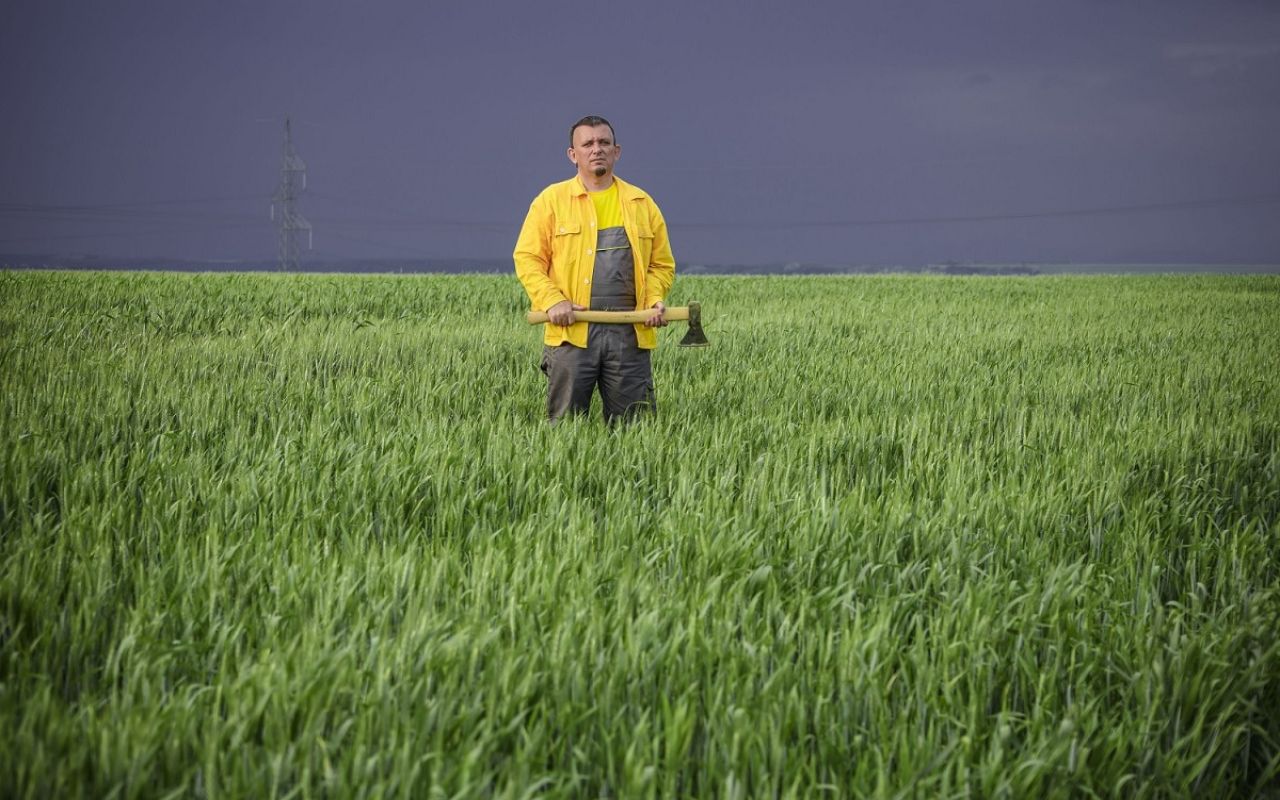
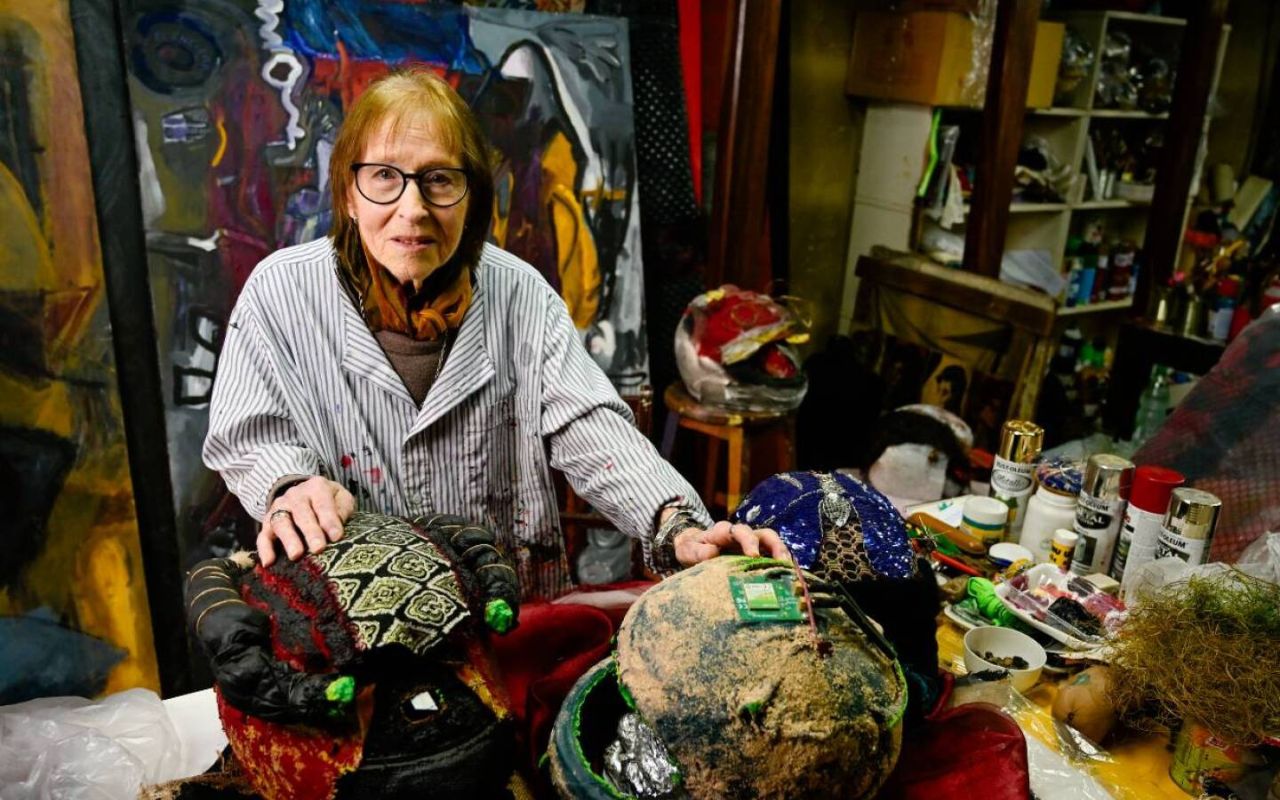
Margaret Whyte presents Antifrágil, a textile installation inspired by statistician Nassim Nicholas Taleb’s concept of antifragility: systems that become stronger under pressure. The Uruguayan artist sews fragments of used clothing, tablecloths, and blankets into monumental installations where weaving becomes a metaphor for collaboration and resistance.
Whyte has worked with textiles for over fifty years, questioning ideals of feminine beauty and social rituals through materials that evoke domestic memories. She received the Figari Prize in 2014 for her career.
Learn more about the national participations present:
ARSENALE
IN THE CITY
COLLATERAL EVENTS
Article by Lucia Pecoraro.
Cover photo: Venice Biennale 2018 ph. Eleonora Milner.
Photos have been provided courtesy of the respective artists or pavilions.

