
Directors, artists, and performers give voice to the Biennale in the new podcast: in 30 minutes each month, La Biennale on Air recounts exhibitions, festivals, archival pieces, and visions, such as the unreleased 1974 audio of Pasolini
The Venice Biennale opens a new channel of storytelling: the podcast La Biennale on Air which gathers the voices of artists, directors, performers, curators, and researchers, creating a sound archive of contemporary culture.
A project for an accessible and contemporary Biennale created to recount its various sectors—Art, Architecture, Cinema, Dance, Music, Theatre, and Historical Archive—through conversations with protagonists, reflections, and rare archival materials for a global, young, and digital audience.
Available on Spotify, Apple Podcasts, Amazon Music–Audible, and on the Biennale website, each episode lasts approximately 30 minutes with “hidden stories, new ideas, and different perspectives” of archival materials, conversations with artists, interventions by directors, and behind-the-scenes glimpses of ongoing exhibitions and festivals.
Everything about the Venice Biennale 2026
Episode 1 – Cinema, architecture, visions
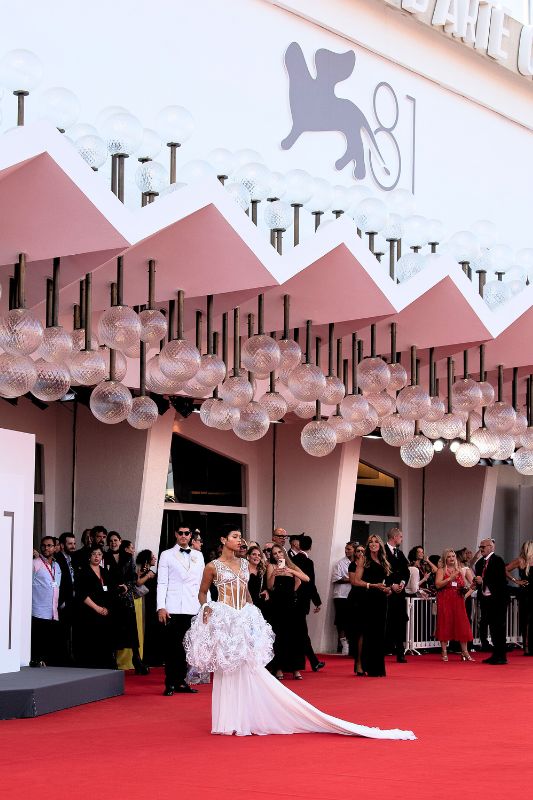
Launched on September 24, the first episode draws inspiration from the 82nd International Film Festival to reflect on the present and future of cinema.
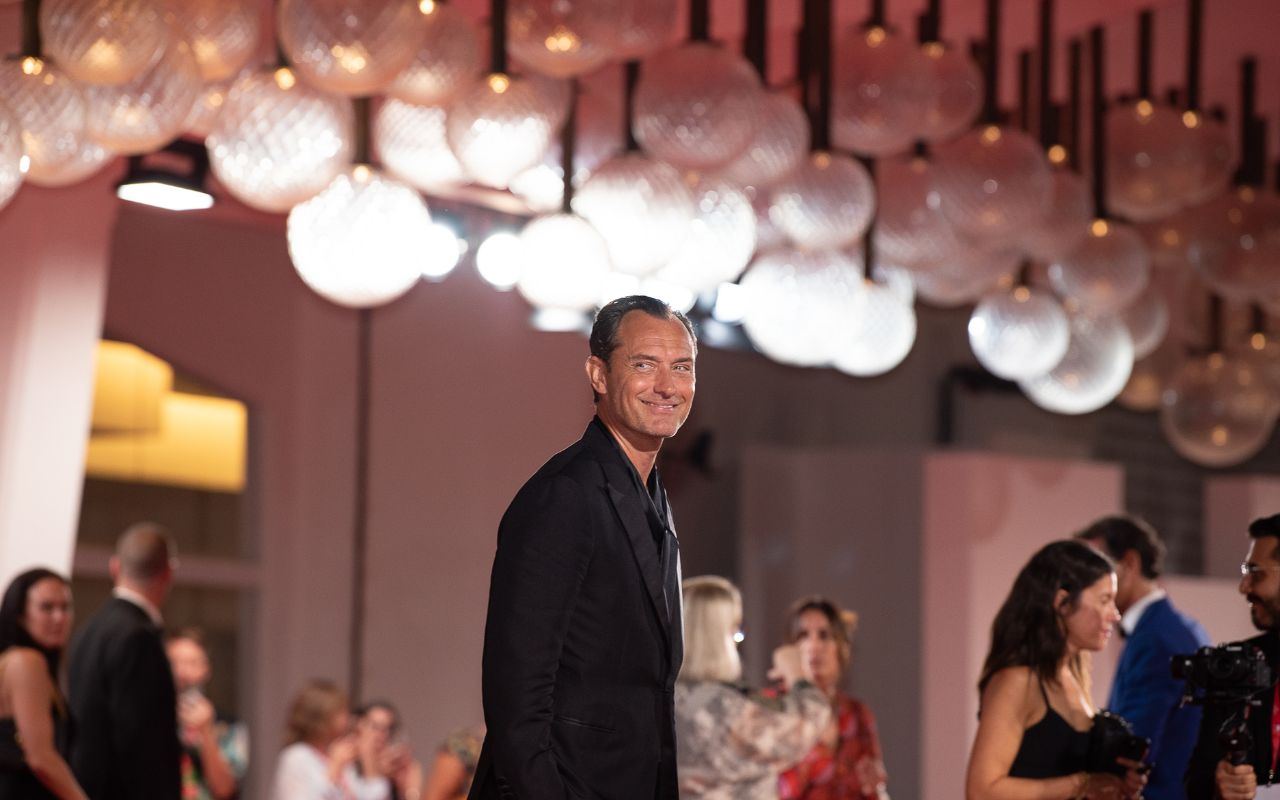
Recounting it are: Guillermo del Toro, master of visionary storytelling, Werner Herzog with his poetic rigor, and Jude Law reflecting on the role of the actor within a system in transformation. Director Alberto Barbera guides this choral narrative in which the profound meaning of the Film Festival emerges as an observatory on the world.
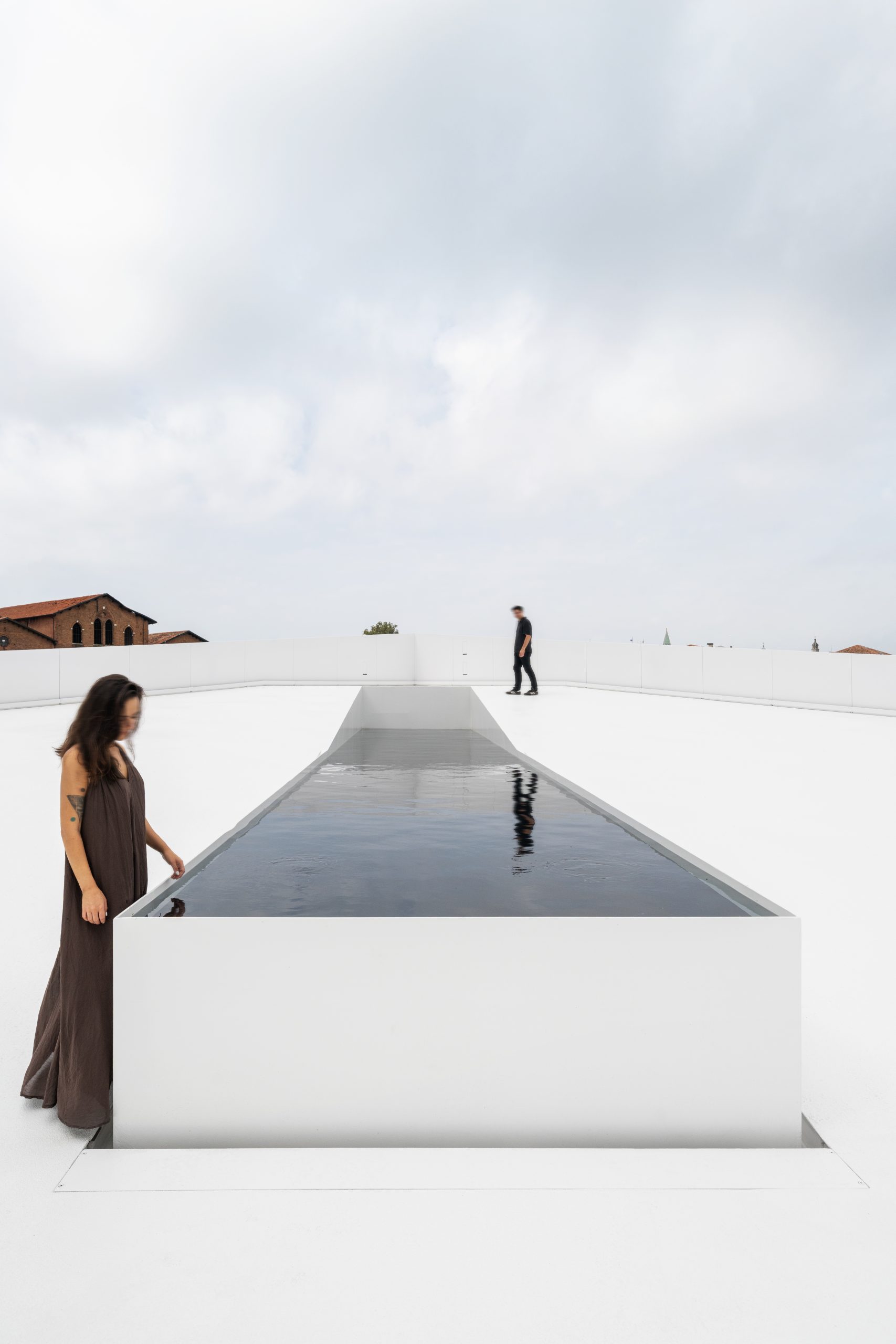
The focus then shifts to architecture with AquaPraça, a project presented by Carlo Ratti for the 19th International Architecture Exhibition: an urban installation that invites us to rethink water as a public and relational space.
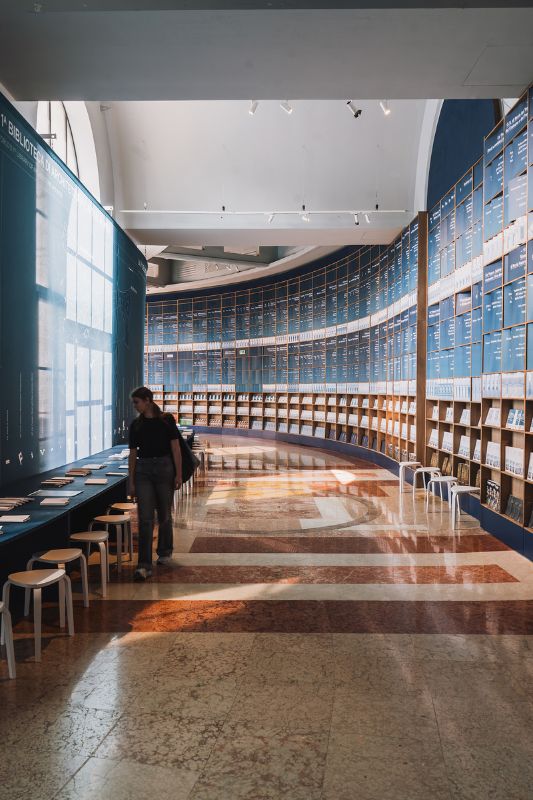
From the Historical Archive comes a rare audio recording of Aldo Rossi, recounting his Teatro del Mondo: a floating structure built for the first International Architecture Exhibition of the Venice Biennale in 1980, conceived to represent the public and theatrical soul of the city.
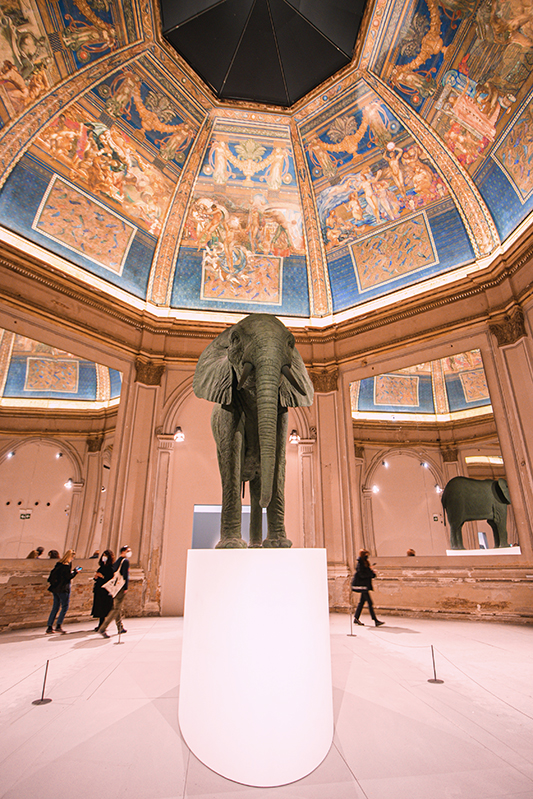
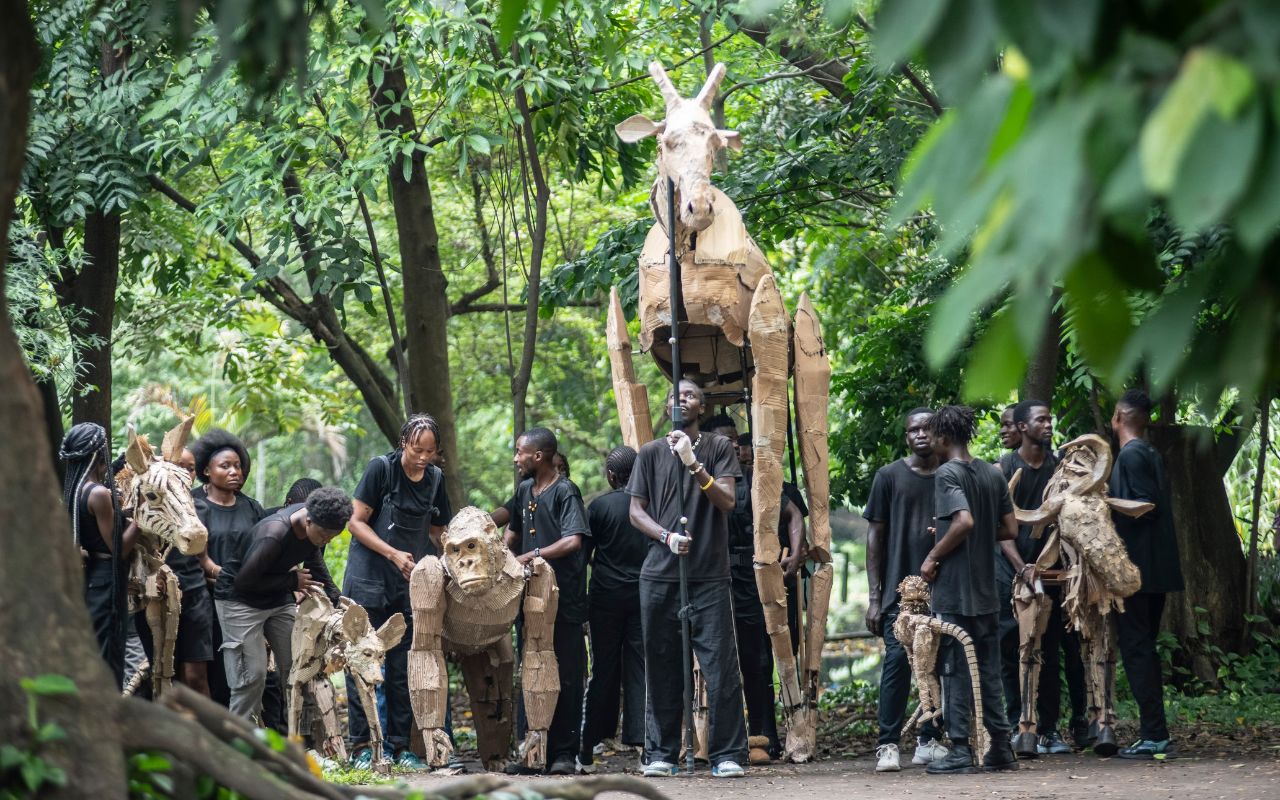
This episode also discusses The Herds, a powerful performance that brought life-sized animals and dancers moving through Venice, transforming the city’s streets into a visual narrative about climate and life. The intervention, performed by the young artists of Biennale College Dance, turned alleys and squares into a mobile stage: a public and collective action that spontaneously engaged citizens, making them part of a shared narrative.
Episode 2 – Music and its languages
The second episode, from October 29, is dedicated to the 69th International Festival of Contemporary Music. Composer Caterina Barbieri, director of the festival, explains how music today is increasingly connected to technology, memory, and spirituality. Sound becomes a physical experience that traverses the body and space.
Joining her are artists such as Meredith Monk, awarded the Golden Lion for Lifetime Achievement for a life dedicated to vocal and theatrical experimentation; Actress and Carl Craig, connected to the electronic scene but capable of exploring cross-genre languages; and Fennesz, who works on the boundary between music, noise, and silence.
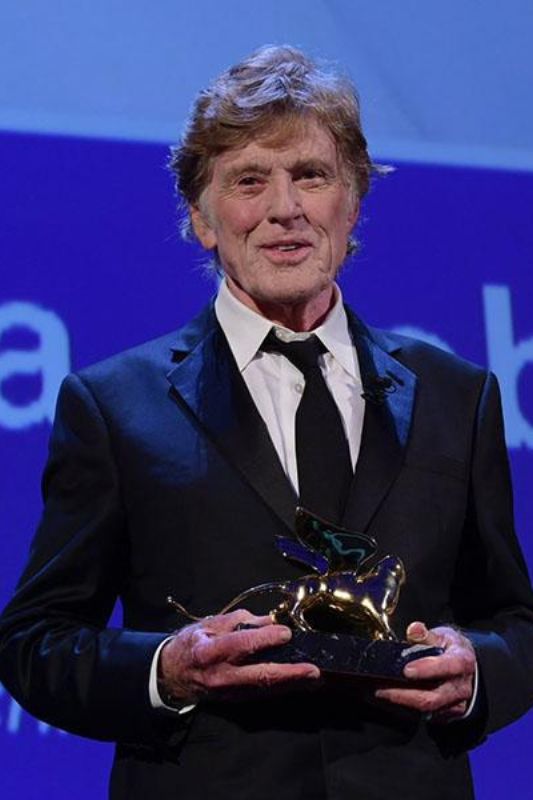
Two voices from the past: actor Robert Redford, with an excerpt from his speech at the 2017 Film Festival, in which he reflected on the role of the actor and the need to tell true stories; and historian Peter Cowie, who recalls the figure of Orson Welles, recounting anecdotes and insights from one of cinema’s great innovators.
Episode 3 – Pasolini, Battiato, and the robot Alter3
In the third episode, online from November 27, an original 1974 audio excerpt with Pier Paolo Pasolini is heard for the first time. Recorded during a conference at the Biennale, his words, left in the original language, come from the Historical Archive–ASAC. Pasolini reflects on the role of cinema between art and market, in a discourse that still sounds relevant today.
Willem Dafoe, actor and director of Biennale Theatre, recounts his personal relationship with Pasolini’s work and with the film Pasolini directed by Abel Ferrara, in which he portrayed him.
Music returns as protagonist with Malika Ayane, who recounts between spirituality and poetic vision the project Arcipelago Battiato, a collective tribute to Franco Battiato.
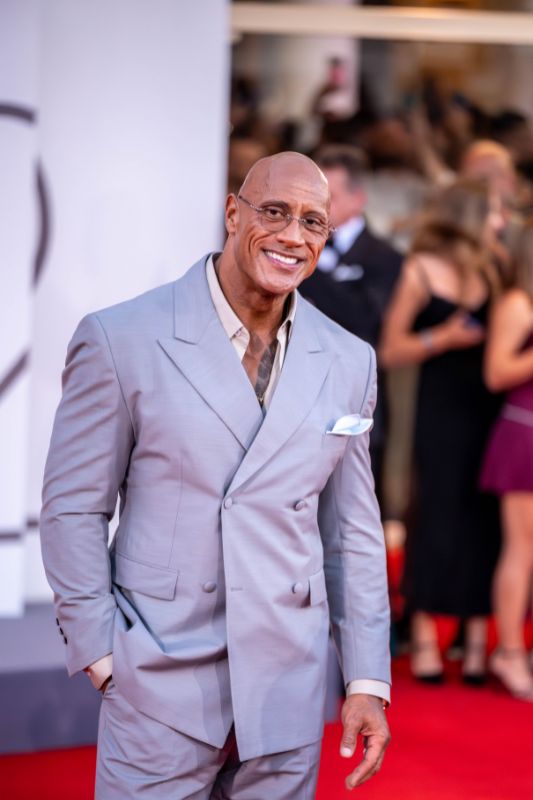
The episode closes with two different moments linked by the theme of transformation: a dialogue between the humanoid robot Alter3 and scientist Luc Steels on the possibility that artificial intelligence might develop consciousness, and an excerpt from Dwayne Johnson’s press conference for the film The Smashing Machine, presented at #Venezia82. In closing, a brief preview of the upcoming Biennale Arte 2026.
The podcast continues on a monthly basis, following the paths of the Biennale’s exhibitions, festivals, and active research.

Article by Lucia Pecoraro.
Cover and Biennale Architettura 2025 photos by Settimo Cannatella.
Photos by Marta Formentello, Carlo Ratti Associati, and portraits of Dafoe, Barbieri, and McGregor ph. Andrea Avezzù, Courtesy La Biennale di Venezia.
Red carpet photos at the Venice Film Festival ph. Rossana Viola.

